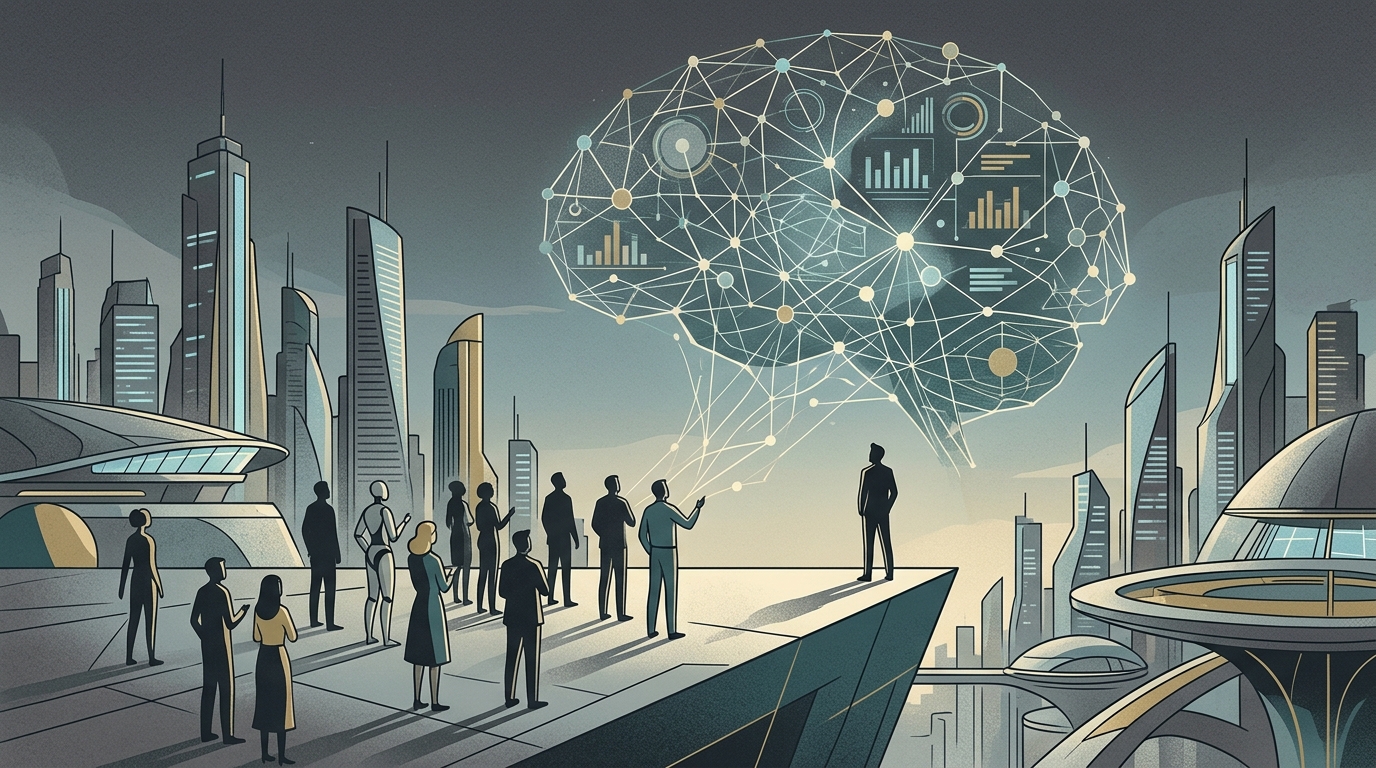
In a statement poised to ignite intense debate across the global scientific and business communities, Elon Musk has predicted that Artificial Intelligence will be capable of surpassing the combined intelligence of all humans within the next four to five years. This forecast, delivered during a recent high-profile appearance, places the arrival of Artificial Superintelligence (ASI) significantly earlier than most analysts had previously estimated.
The Acceleration Toward Superintelligence
Musk, who leads xAI and was a co-founder of OpenAI, argues that the rate of progress in computing power and algorithmic design is exponential. According to him, the ability of AI to learn from massive datasets and iteratively improve its own code will lead to an "intelligence explosion." This scenario, often referred to as the "Technological Singularity," describes a point where technological growth becomes uncontrollable and irreversible, resulting in unfathomable changes to human civilization.
Musk’s argument is built on the observation that previous bottlenecks, such as the shortage of specialized chips (GPUs), are gradually being overcome. With the release of next-generation processors from Nvidia and the development of proprietary hardware by companies like Tesla, the compute barrier appears to be receding. However, the billionaire warns that this evolution carries existential risks if AI is not strictly aligned with human values and safety protocols.
The Gap Between Hype and Reality
Despite Musk's optimism, not all industry experts agree with this accelerated timeline. Many prominent academics, including Meta’s Chief AI Scientist Yann LeCun, argue that current Large Language Models (LLMs) lack fundamental capabilities such as an understanding of the physical world, long-term memory, and the capacity for logical reasoning. For these skeptics, AI remains a "stochastic parrot"—proficient at pattern matching but devoid of genuine consciousness or causal understanding.
However, the Musk camp counters that scaling is the ultimate solution. They believe that by injecting more data and more compute, the "emergent properties" of AI will bridge the gap between simple text processing and true cognitive reasoning. xAI, with its Grok model, is already attempting to integrate real-time data from the X platform, aiming for a more dynamic and contextual understanding of world events than its competitors.
Economic and Societal Implications
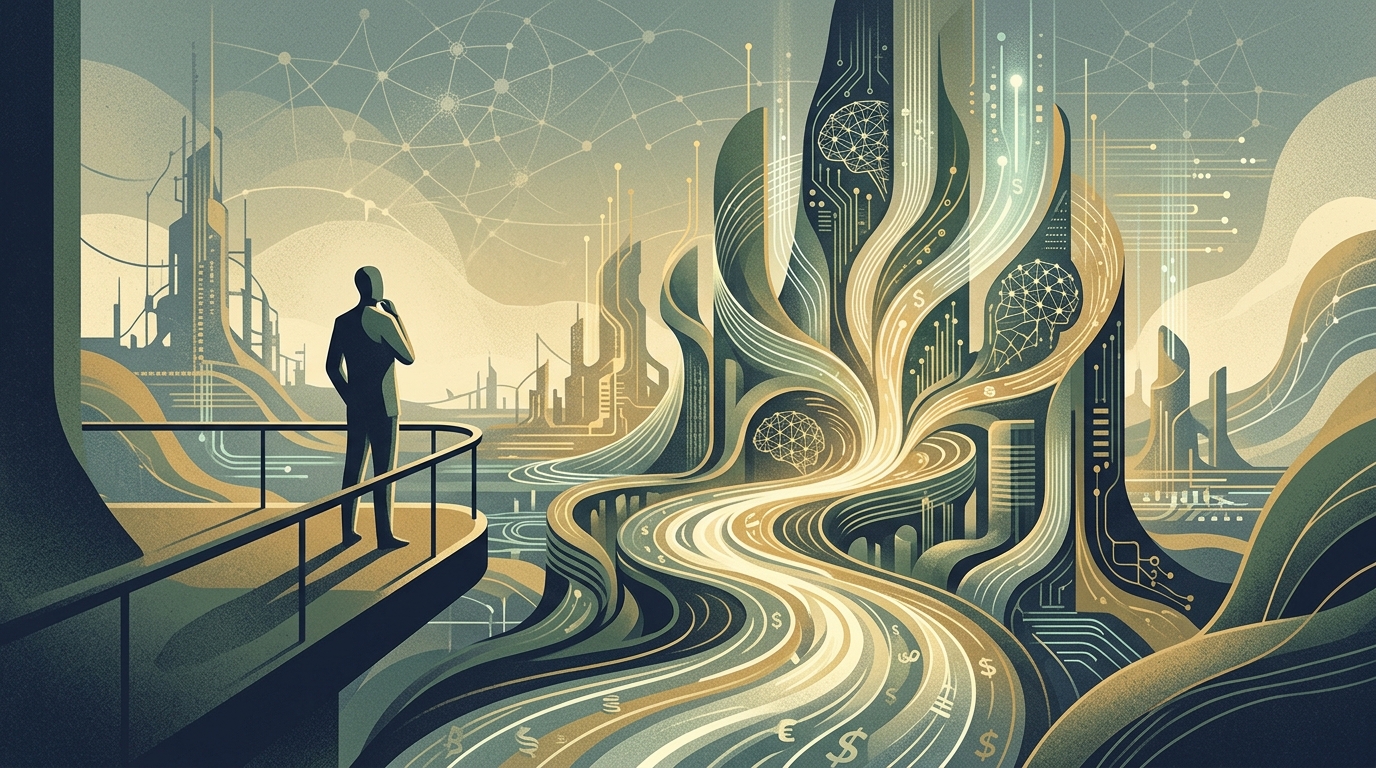
If Musk's prediction holds true, the implications for the global economy would be seismic. An entity with intelligence superior to the collective human race could solve complex scientific problems in seconds, automate entire industries, and fundamentally redefine the concept of labor. Musk has frequently mentioned the necessity of Universal Basic Income (UBI) in such a future, where human work might become optional rather than a necessity for survival.
- Automation: The risk of mass displacement in high-skill sectors like law, medicine, and engineering.
- Energy Demands: The staggering amount of electricity required to power the next generation of AI data centers.
- Global Security: The potential for AI to be weaponized in cyber warfare or used in the development of advanced biological agents.
"We are on the edge of the greatest change in human history. The challenge is not just building the AI, but ensuring it remains beneficial to humanity," Musk often asserts.
In conclusion, the 4-5 year timeline is exceptionally aggressive. Whether this is a realistic technical roadmap or a strategic narrative designed to attract capital and talent, one thing is certain: the race for Superintelligence has entered its final stretch. The decisions made in the next few years will likely determine the trajectory of our species for centuries to come.