In an era where AI news headlines are dominated by existential dread, job displacement, and the rise of deepfakes, it is easy to overlook the quiet revolution happening far from the neon lights of Silicon Valley. In the Global South, where resources are scarce and challenges often seem insurmountable, Artificial Intelligence (AI) is not just a luxury productivity tool—it is a lifeline. A recent report by Development + Cooperation (D+C) highlights three pivotal areas where this technology is providing solutions that, until a decade ago, belonged to the realm of science fiction.
1. Democratizing Healthcare: A Specialist in Your Pocket
The first and perhaps most profound story lies in healthcare. In many regions of Sub-Saharan Africa and Southeast Asia, the doctor-to-patient ratio is precariously low. Here, AI steps in as a critical triage and diagnostic tool. Using standard smartphones, community health workers can now perform clinical assessments that previously required specialized radiologists or oncologists.
For instance, machine learning algorithms are being trained to detect signs of tuberculosis from a simple chest X-ray or even the sound of a patient’s cough. In India, AI programs analyze retinal images to identify diabetic retinopathy—a leading cause of preventable blindness if caught early. What makes these stories truly "positive" is not just the high-tech code, but its scalability. AI is not replacing the doctor; it is empowering the nurse and the volunteer, allowing them to save lives in villages located hundreds of miles from the nearest hospital facility.
2. Precision Agriculture for the Smallholder Farmer
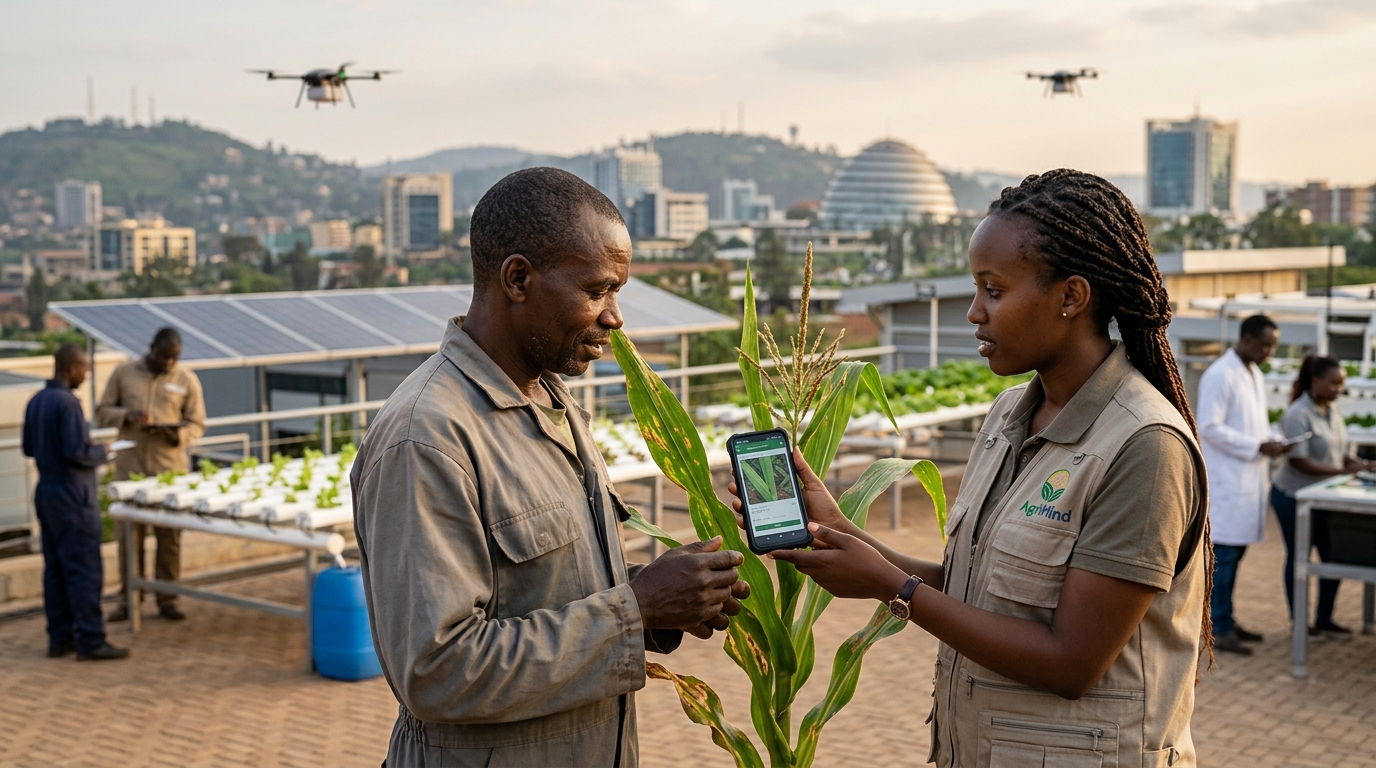
Our second story takes us to the fields of Kenya and Vietnam. Climate change has rendered traditional farming wisdom increasingly unreliable. Rains no longer arrive as expected, and new pests are decimating entire harvests. AI offers smallholder farmers—who form the backbone of global food security—access to data-driven insights once reserved for massive agribusiness conglomerates.
Through applications utilizing satellite imagery and soil sensors, farmers receive personalized advice on their mobile phones regarding exactly when to plant, when to irrigate, and how much fertilizer to use. Furthermore, AI can identify crop diseases from a simple photo of a leaf, suggesting immediate remedies. This "precision agriculture" reduces resource waste and boosts yields, lifting families out of poverty cycles and building resilience against the volatile climate crises of the 2020s.
3. Climate Adaptation and Disaster Forecasting
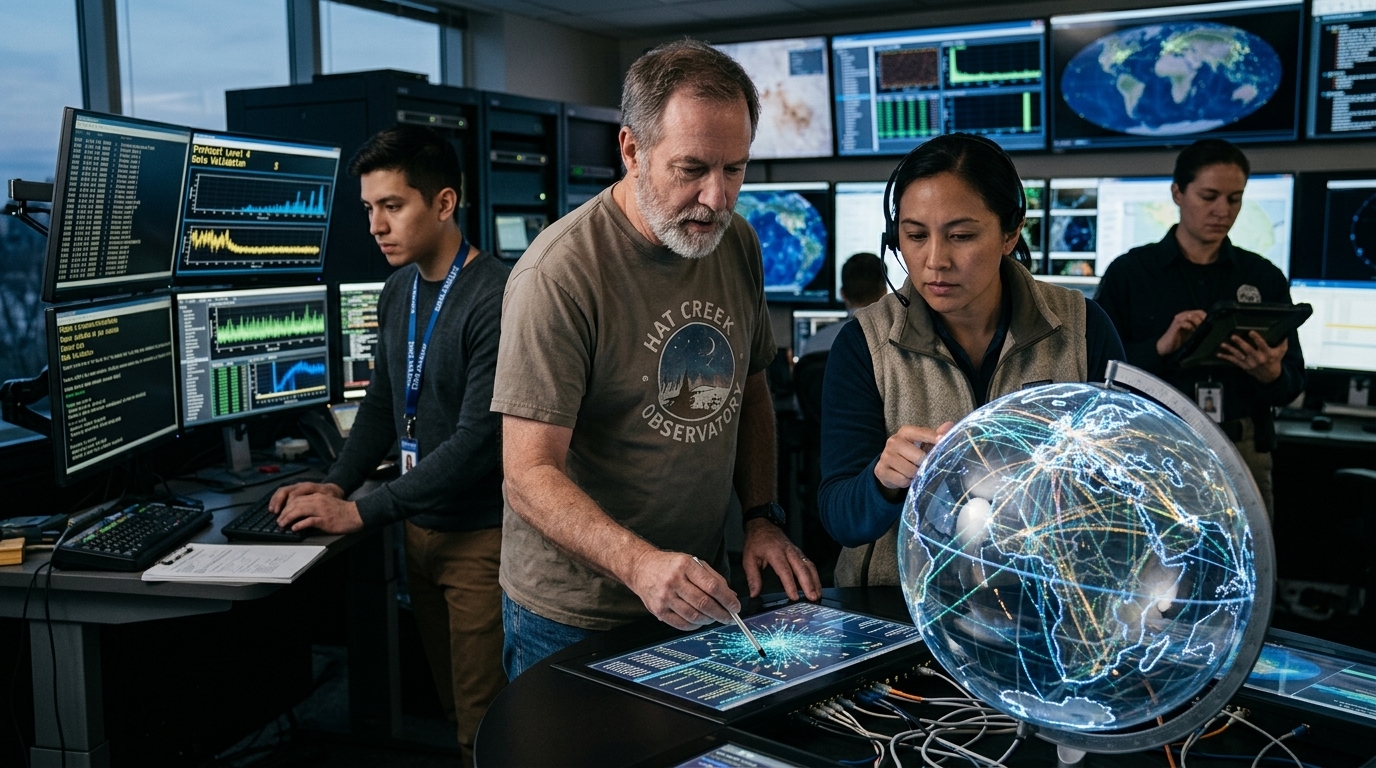
The third narrative concerns our ability to predict the unpredictable. Natural disasters disproportionately affect developing nations, where early warning systems are often fragmented or non-existent. AI is changing this landscape by processing vast amounts of meteorological data to forecast floods, droughts, and cyclones with precision that far outstrips traditional models.
In Bangladesh, for example, AI models are used to predict flooding in the Ganges delta, giving communities critical days of warning to evacuate and secure their livelihoods. Simultaneously, AI is helping map deforestation in the Amazon in real-time, allowing authorities to intervene before the damage becomes irreversible. This use of technology as a "guardian angel" for both the environment and human life underscores the ethical potential of innovation when aligned with social good.
Conclusion: Bridging the Digital Divide
These three stories should not lead us into blind techno-optimism. Significant hurdles remain: the need for datasets that reflect local realities (rather than just Western contexts), the protection of data privacy, and the urgent requirement for basic connectivity infrastructure. However, the message is clear. When AI is designed with cooperation and human development at its core, it becomes a catalyst for a more equitable world. The challenge for the international community in 2026 is to ensure these tools do not remain the privilege of the few but become the heritage of the many.