The year 2026 marks a historical turning point in how we perceive the cycle of life and work. For nearly a century, the model was linear: learn, work, retire. But as Baby Boomers refuse to fade away and artificial intelligence reshapes the meaning of productivity, a new paradigm is emerging. According to leading futurists, we are entering an era where an 80-year-old individual will be more valuable to the labor market than a 50-year-old, completely overturning our social and economic structures.
The Revenge of Crystallized Intelligence
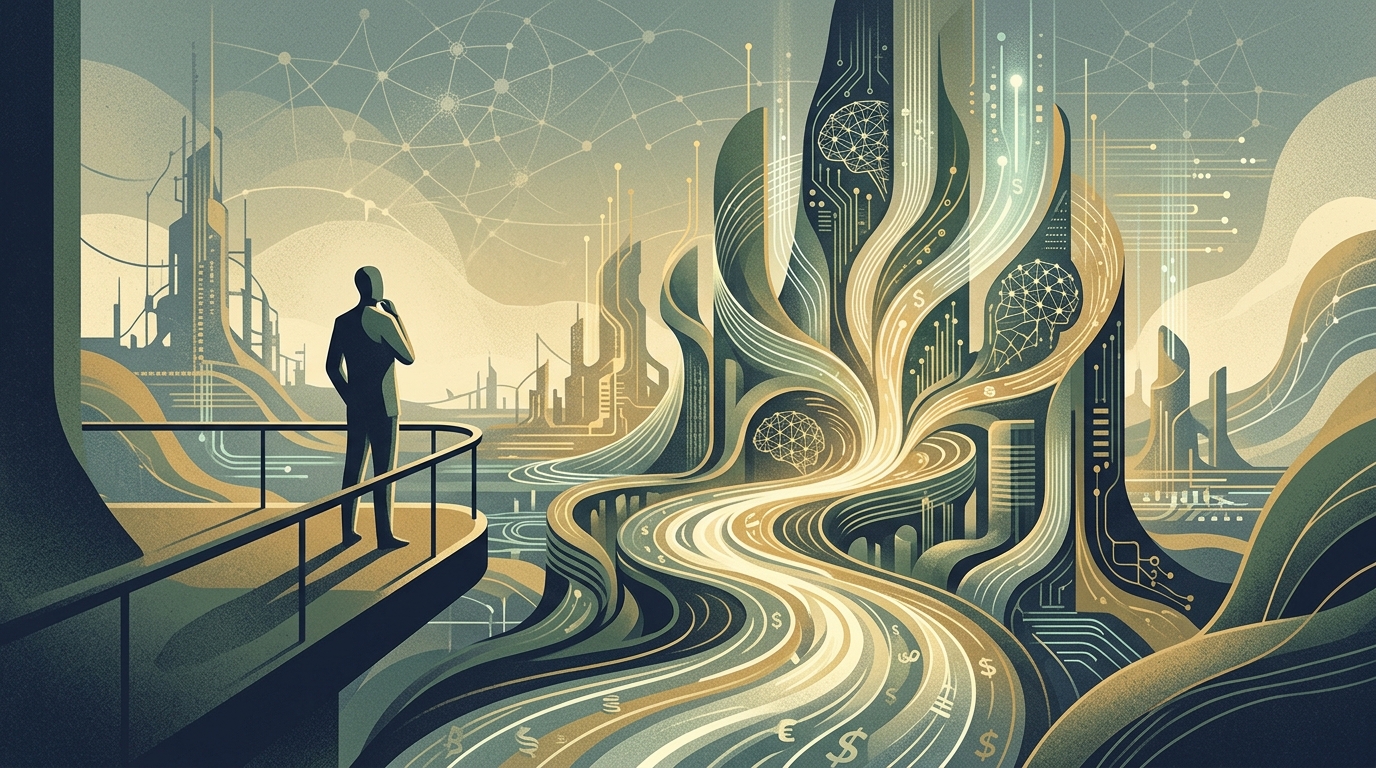
In psychology, we distinguish between two types of intelligence: "fluid intelligence," which concerns processing speed and solving novel problems, and "crystallized intelligence," which is based on accumulated knowledge, judgment, and the synthesis of information. Historically, the labor market favored the fluid intelligence of the young. However, in 2026, AI has become the ultimate accelerator of fluid intelligence. When a machine can write code, analyze data, or design plans in seconds, the speed of the human brain ceases to be a competitive advantage.
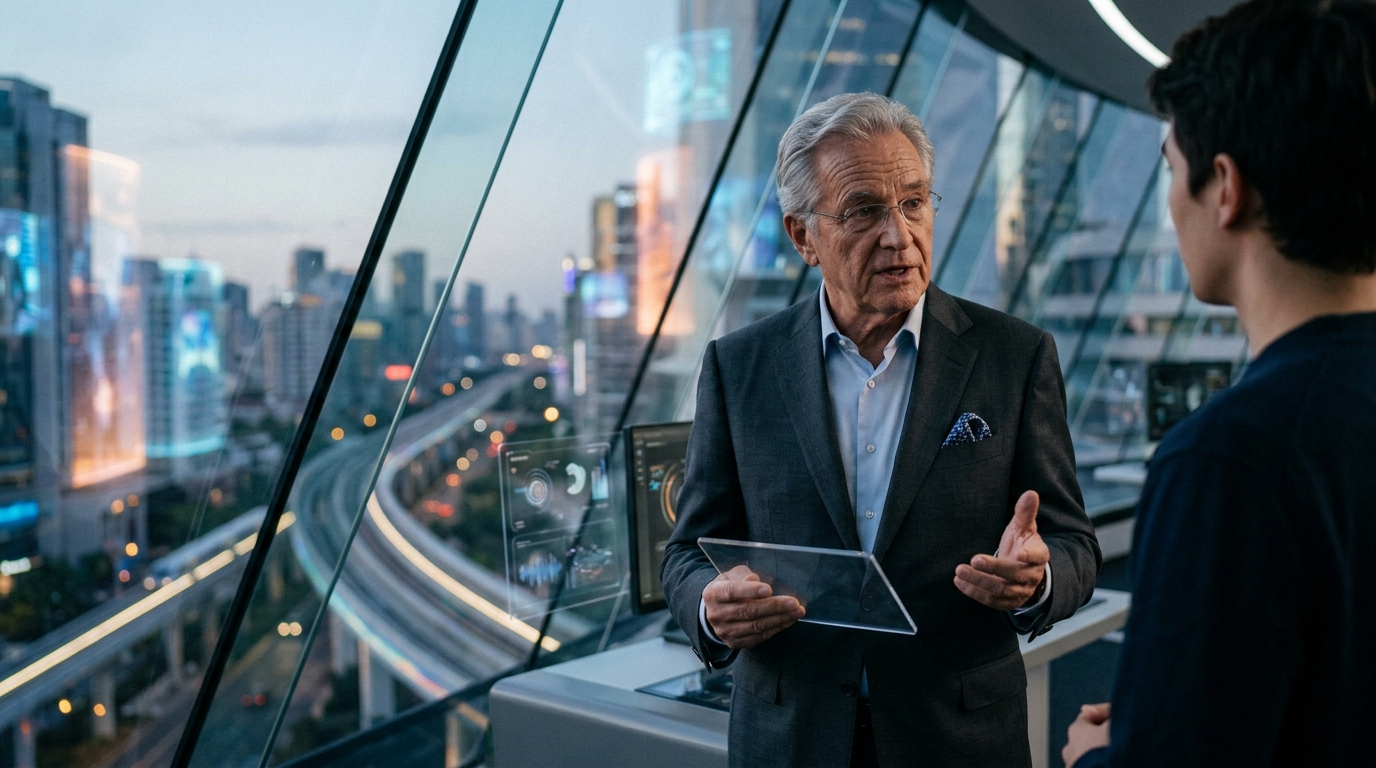
What AI cannot yet replace—at least not fully—is deep contextualization and the ethical judgment that comes from decades of experience. An 80-year-old leader or consultant possesses a library of patterns covering geopolitical crises, economic cycles, and human behaviors. In the world of AI, the "prompter" who has lived more is the one who can direct technology with the greatest precision and foresight.
The Biological Revolution and the End of the "Gold Watch"
This shift is not only technological but also biological. With advances in geriatric medicine and the use of AI in anti-aging drug discovery, being "80" no longer looks like the end of the road. The concept of retirement, invented by Otto von Bismarck in the late 19th century when life expectancy was 45, now feels anachronistic. People in their eighth decade today remain mentally sharp and physically active.
- Lifelong Learning: Education doesn't stop at 25. The 80-year-olds of 2026 use augmented reality tools to update their skills in real-time.
- Mentorship Economy: Corporations are investing in programs where elders act as "culture keepers" and strategic advisors.
- Flexible Work: Remote work and AI avatars allow individuals with limited mobility to offer their services from anywhere.
Challenges and Social Implications
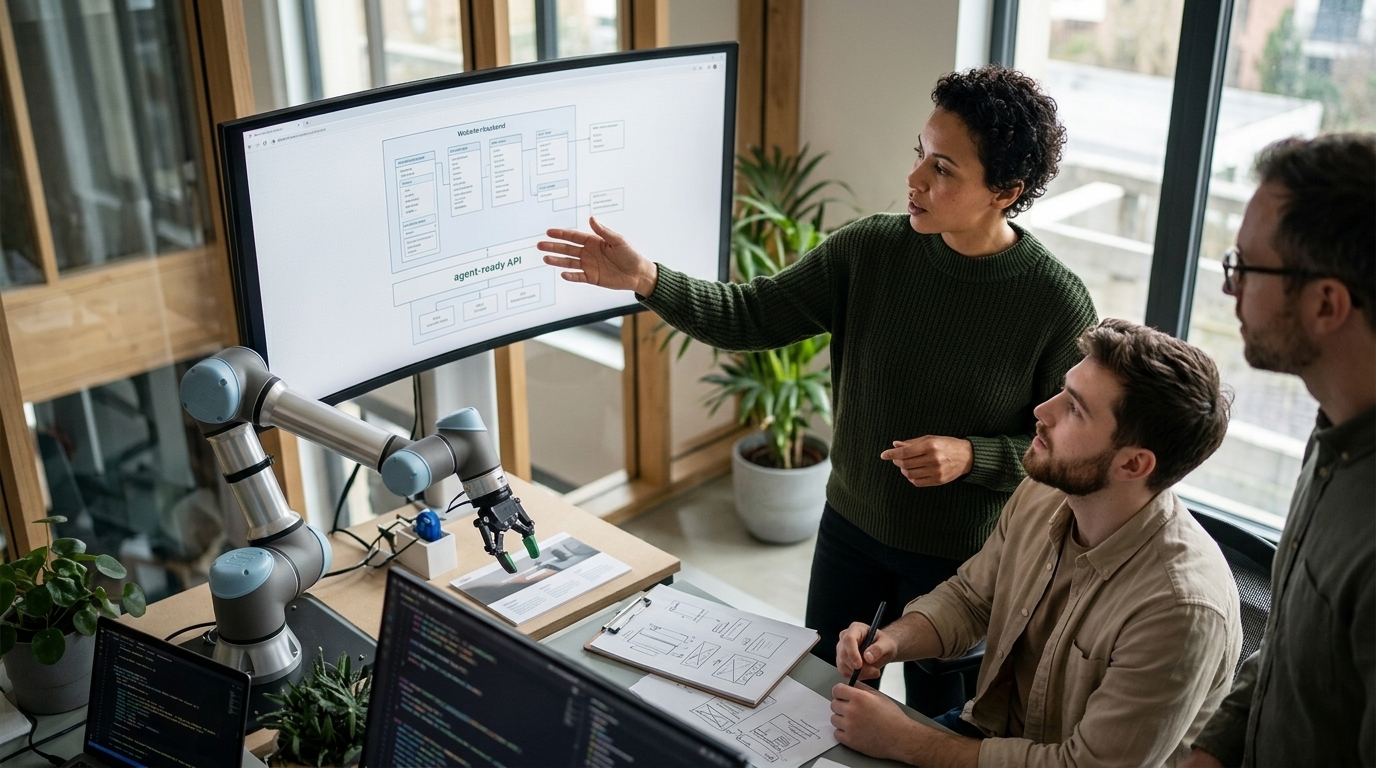
Of course, this transition is not without obstacles. Ageism remains deeply rooted in corporate cultures. Furthermore, there is the risk of creating a "gerontocracy" that hinders the advancement of younger generations. If 80-year-olds remain in top positions, how will 30-year-olds find space? The answer may lie in a redistribution of roles: the young as the "executors" handling the tools and the elders as the "architects" charting the course.
"Retirement was a social invention to manage decay. In a world where decay is delayed and knowledge is the primary product, retirement is a waste of human capital," says the Futurist Speaker in his recent keynote.
In conclusion, the "New Retirement" is not about ceasing activity, but about transitioning to a form of contribution based on absolute quality rather than quantity of time. The value of a person at 80, amplified by artificial intelligence, may be the stabilizing factor in a world moving at breakneck speeds.