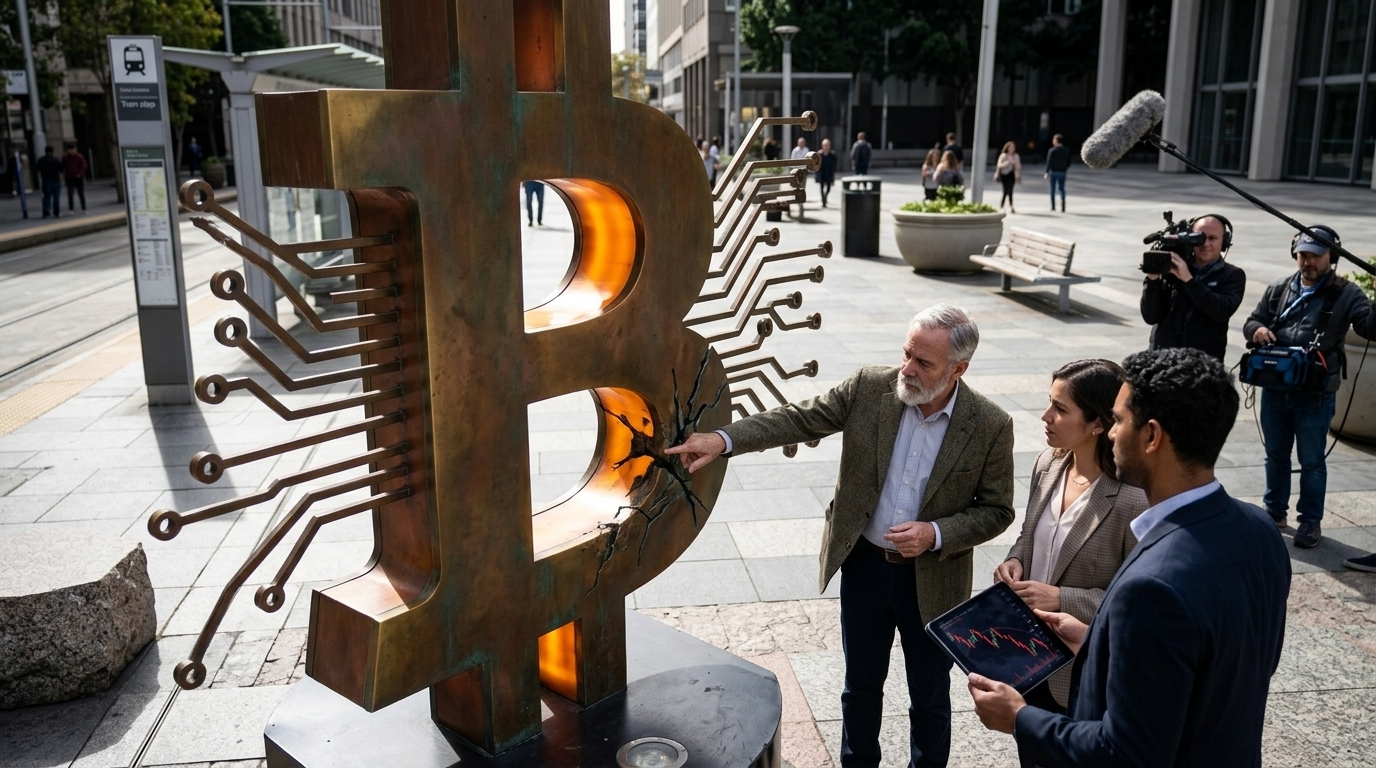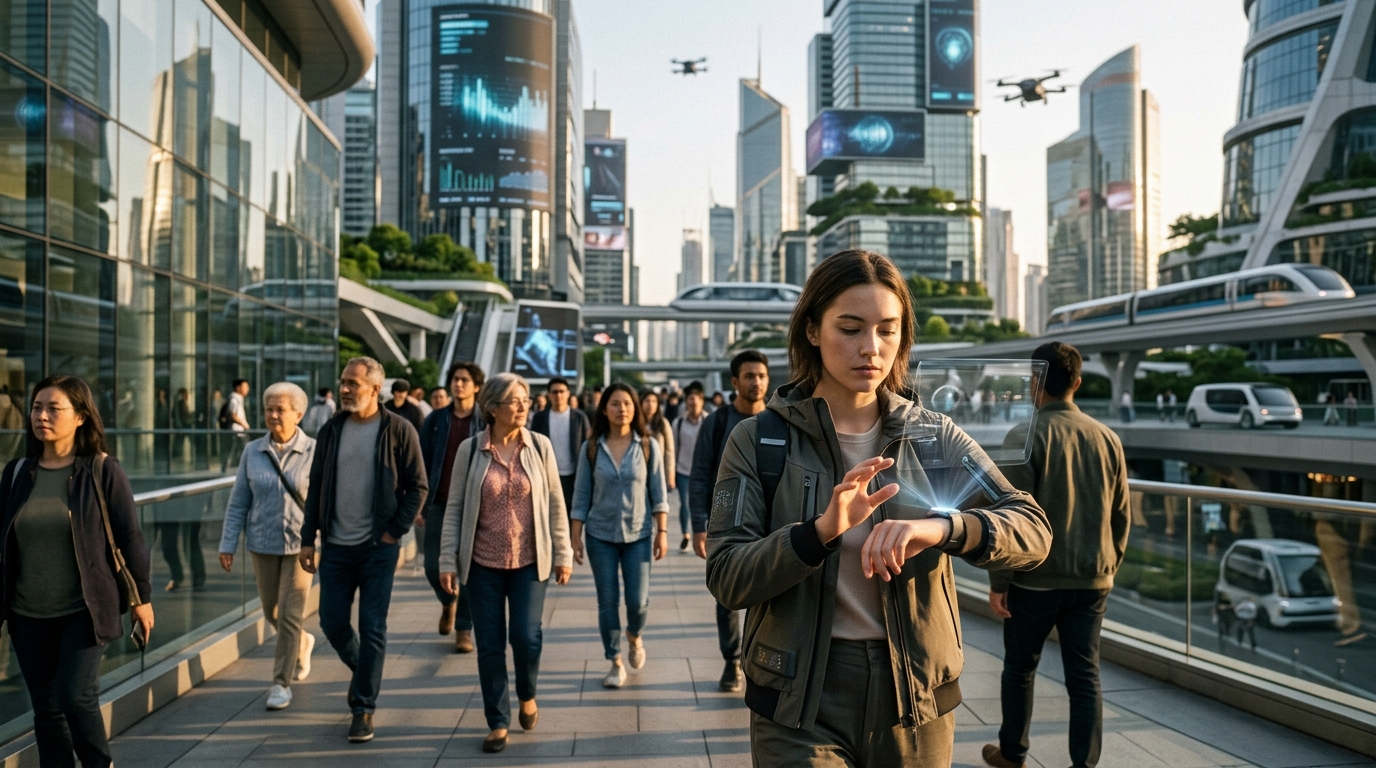
In the dawn of the 1950s, Alan Turing posed a question that would haunt humanity for generations: "Can machines think?" His famous "Imitation Game" suggested that if a machine could convince a human it was also human through text alone, the distinction between simulation and true cognition would become functionally irrelevant. Today, in 2026, we find ourselves in a different phase, what many critics and thinkers are calling "The Limitation Game." As Large Language Models (LLMs) permeate every facet of our daily lives, the challenge is no longer to see if they can imitate us, but to understand the fundamental boundaries that prevent them from becoming anything more than sophisticated "stochastic parrots."
The Illusion of Understanding
The central argument emerging from recent critiques, such as those found in the Los Angeles Review of Books, is that AI operates strictly at the level of syntax, entirely lacking semantics. When GPT-4 or its successors compose a poem or solve a coding problem, they do not "understand" the concepts of love, pain, or a logic gate. Instead, they perform an incredibly complex statistical prediction of which token is most likely to follow the previous one, based on gargantuan volumes of data. What we perceive as intelligence is, in reality, a reflection of our own language, rearranged with mathematical precision by the model.
This distinction is vital. If we accept that AI "thinks," we cede human uniqueness to an algorithm that lacks consciousness, agency, or biological experience. The "Limitation Game" forces us to view AI not as a burgeoning peer, but as a mirror that magnifies our own biases and intellectual lethargy. The more we rely on these machines for creative output, the more we risk becoming trapped in an infinite loop of recycled ideas, stripped of the spark of authentic discovery.
Cultural Erosion and the Value of the Error
One of the most concerning aspects of AI dominance is the tendency toward the homogenization of human expression. AI is trained on the "average." It aims for probability, not the exception. Yet, human progress—whether in art or science—often relies on the "error," the deviation from the norm, and the unpredictable inspiration that cannot be calculated by any algorithm. If the literature of the future is produced by models that avoid risk for the sake of statistical correctness, we are headed toward a cultural stasis.
- The loss of subjectivity in writing and critical analysis.
- The difficulty in distinguishing between true knowledge and convincing misinformation (hallucinations).
- The degradation of critical thinking as users passively accept AI-generated answers.
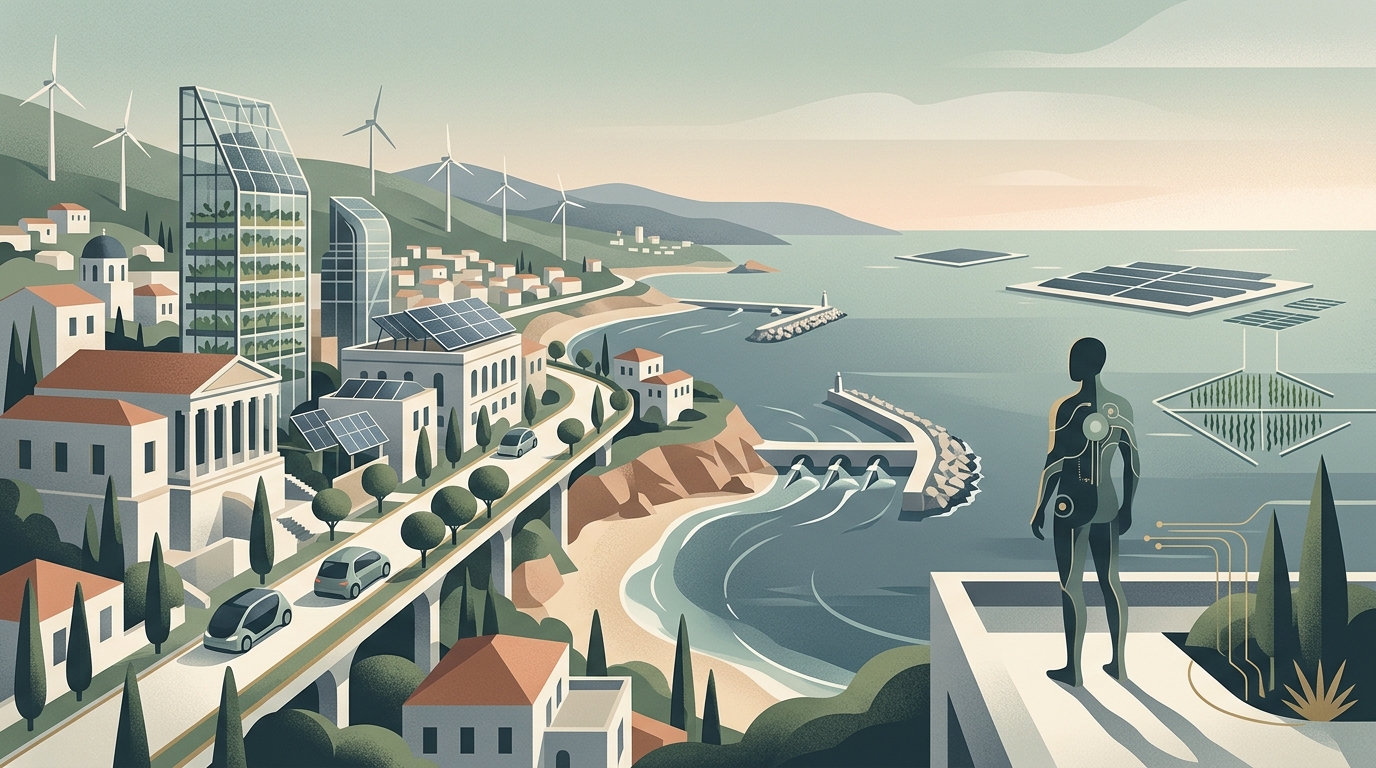
Furthermore, there is the issue of "ontological poverty." AI has no body; it does not feel the passage of time; it does not fear death. Without these existential foundations, its output remains hollow. It can describe a sunset in Santorini using the most exquisite adjectives, but it has never felt the warmth of the sun on its skin. This gap between description and experience is the ultimate limit that no amount of computational power can bridge.
Political and Economic Stakes
Beyond philosophy, the "Limitation Game" carries heavy political implications. Big Tech corporations push the narrative of "Artificial General Intelligence" (AGI) as an inevitability, often to attract investment and bypass regulatory scrutiny. By presenting AI as a god-like entity, they distract from tangible issues: the theft of intellectual property for training data, the staggering energy consumption of data centers, and the exacerbation of social inequality through automation.
"AI is not a threat to humanity because it will become too smart, but because we might become too dull, accepting its limited outputs as the new gold standard of truth."
In conclusion, recognizing the limitations of AI is not an act of technophobia, but an act of self-awareness. We must learn to use these tools without handing over the keys to our cognition. The future does not belong to machines that imitate humans, but to humans who have the wisdom to discern the difference and insist on the value of the unpredictable, the emotional, and the truly intelligent.