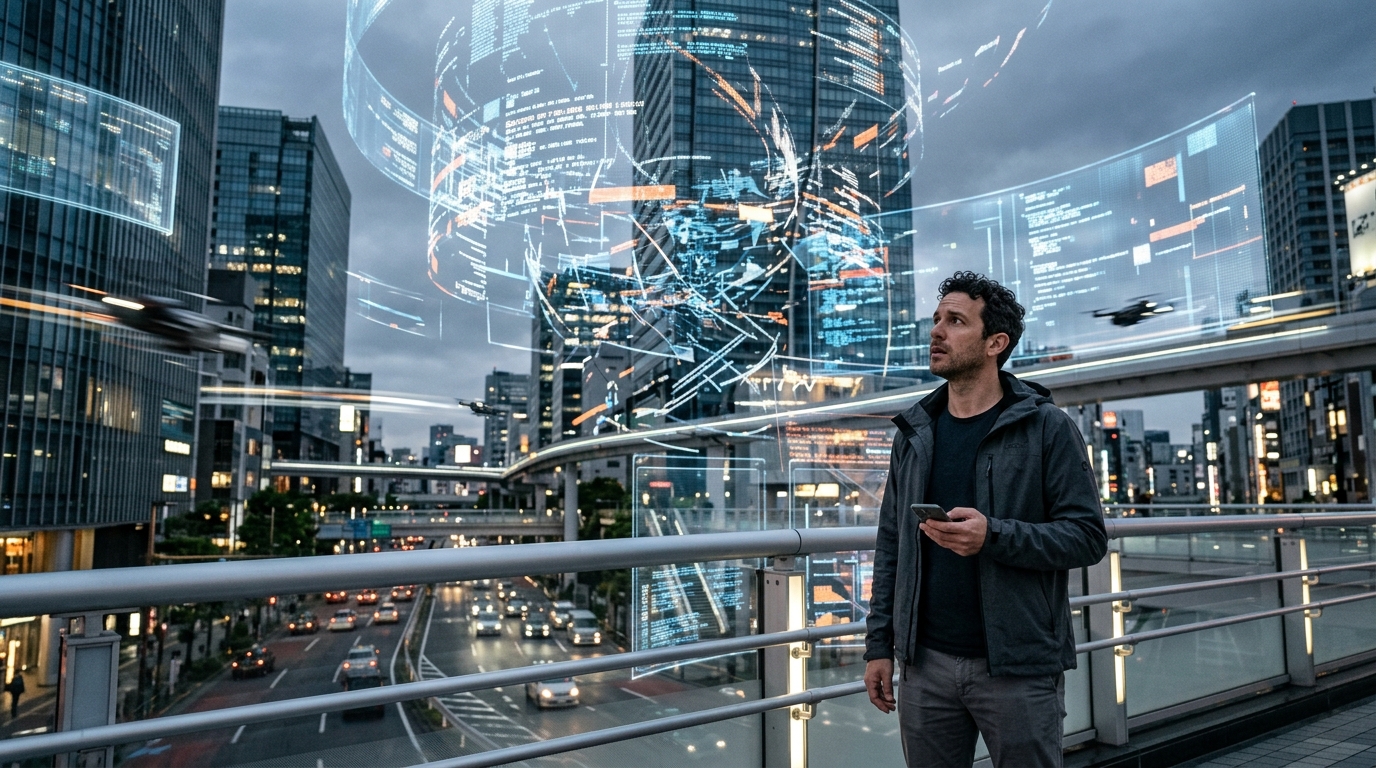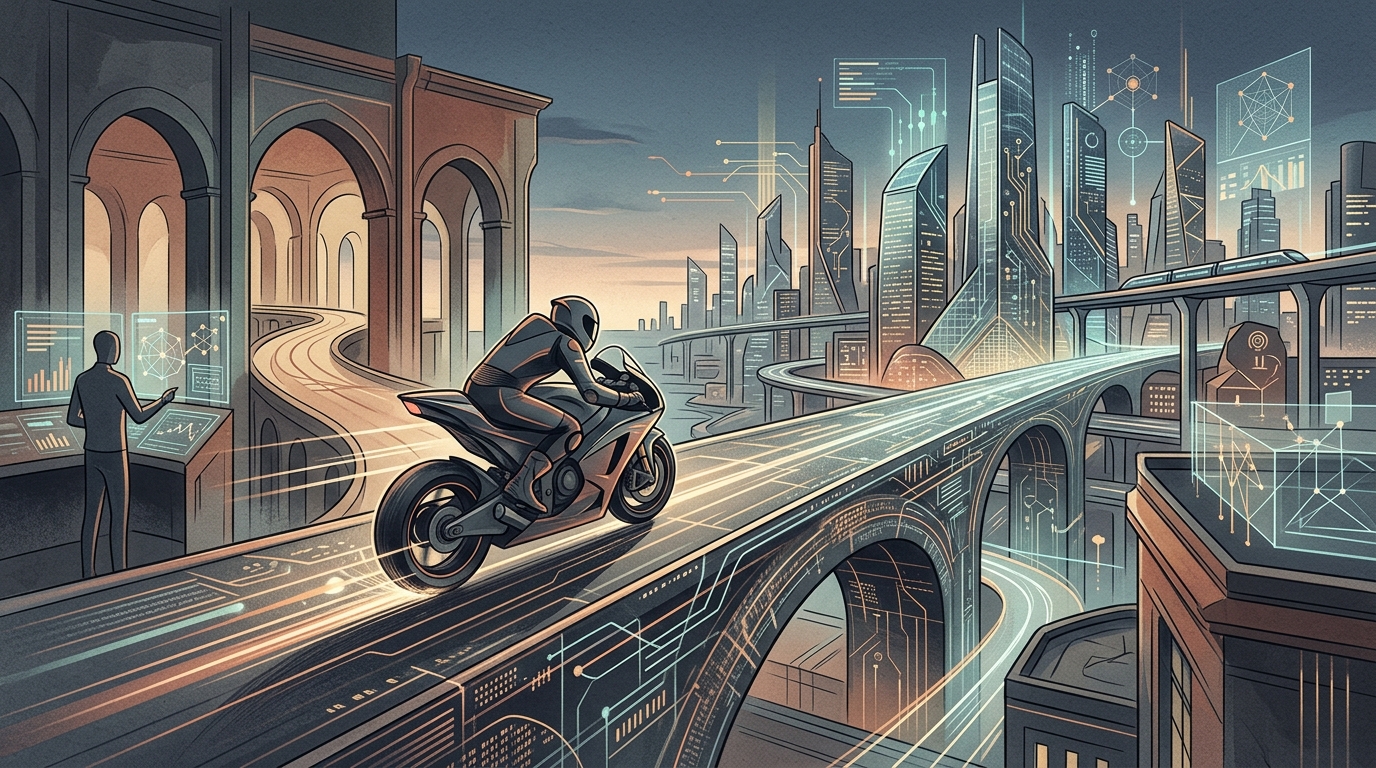
The era when MotoGP engineers relied solely on intuition and rider feedback to tune motorcycles is firmly in the past. Today, the "bridge" between the physical world of the track and the digital world of data has a new architect: Artificial Intelligence (AI). The recent influx of tech giants as title sponsors and technical partners marks a structural shift in the sport, turning paddocks into mobile data centers.
The Data Revolution on Asphalt
In modern MotoGP, every motorcycle is equipped with hundreds of sensors recording everything: from tire temperature and brake pressure to lean angles at every millisecond. However, the volume of data is now so immense that human analysis is no longer sufficient. This is where AI steps in. Machine learning algorithms can process terabytes of data in real-time, identifying patterns that the human eye simply cannot perceive.
The most critical application lies in tire management. With Michelin's regulations becoming increasingly stringent, a team's ability to predict tire degradation under specific temperature and humidity conditions is the key to victory. AI can simulate thousands of race scenarios before the wheels even touch the asphalt, allowing engineers to create engine maps that optimize traction and fuel consumption.
Aerodynamics: The Digital Wind
Until a few years ago, aerodynamic design was the privilege of teams with access to expensive wind tunnels. Today, Computational Fluid Dynamics (CFD) enhanced by AI allows teams to virtually test thousands of different winglets and fairing shapes. AI doesn't just analyze airflow; it suggests new geometries that designers might never have imagined.
- Downforce Optimization: AI helps maintain stability at high speeds without sacrificing cornering agility.
- Heat Management: Algorithms predict how hot air from the engine affects aerodynamic pressure and brake cooling.
- Slipstream Simulation: Teams use AI to understand how the bike behaves when behind a competitor, designing solutions for easier overtaking.
The Sponsorship Shift: From Oil to Cloud
The phrase "the bridge that changes sponsors" is no coincidence. Traditionally, MotoGP was dominated by oil companies, tobacco brands, and energy drinks. Today, the logos of Lenovo, Oracle, AWS, and Dell adorn factory team fairings. These companies don't just provide capital; they provide the cloud infrastructure and computing power required for AI.
"We are no longer just buying space on a bike; we are buying a testing laboratory for our technologies under the most extreme conditions," say tech industry executives.
This shift also has political implications. Dependence on technology increases the cost of entry, creating a gap between factory teams (Ducati, KTM, Aprilia) and independent teams. AI is becoming the new "weapon" in an arms race that threatens to overshadow rider talent.
The Human Factor in the Shadow of Code
The big question looming over the paddock is whether AI will make the rider a secondary factor. If the bike can automatically correct errors through electronics and if the strategy is predetermined by an algorithm, where is the magic of the sport? Proponents of the technology argue that AI simply allows the rider to push the limits with greater safety. Critics, however, fear that MotoGP is heading towards "Formula 1-ization," where the best software wins the race.
In any case, the entry of AI into MotoGP is irreversible. The "bridge" has already been crossed. The future of two wheels will be written in code, in a constant search for the perfect line between human daring and artificial intelligence.