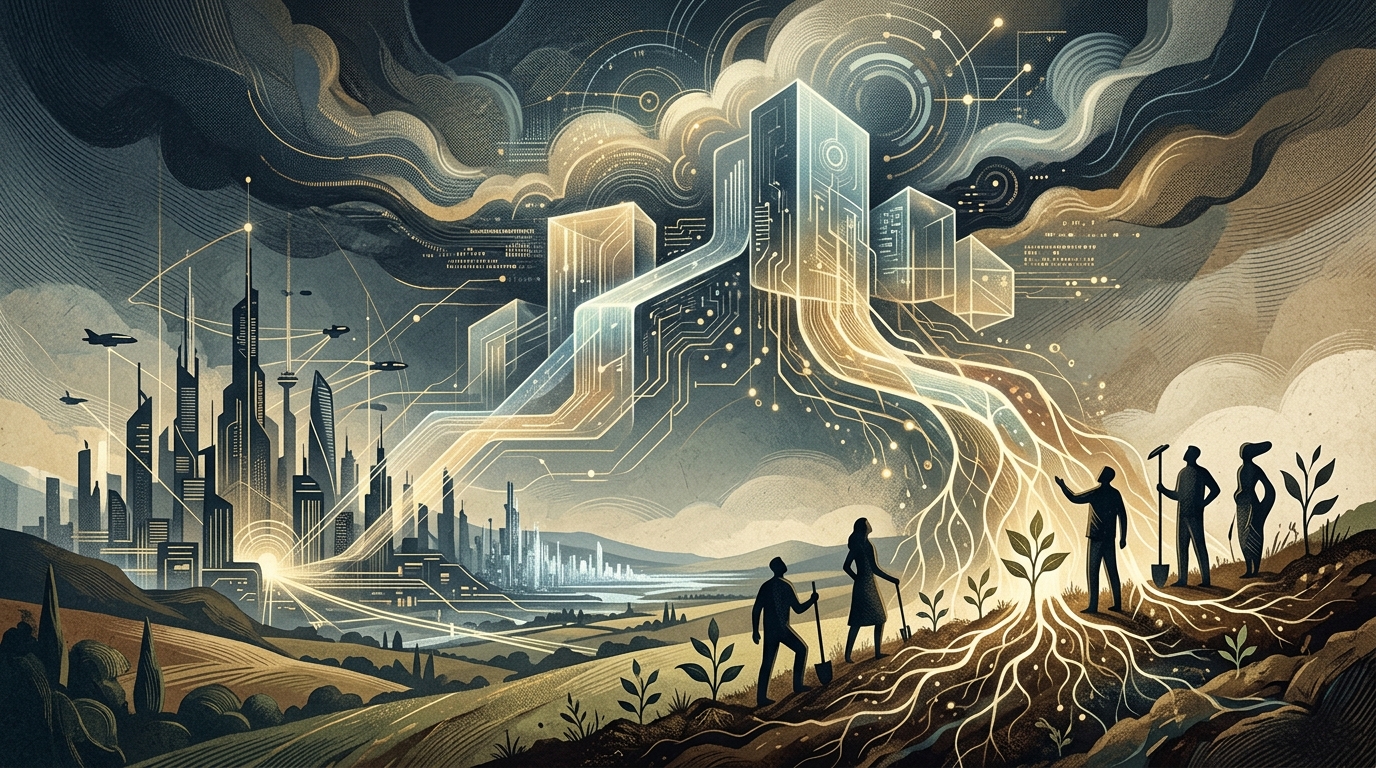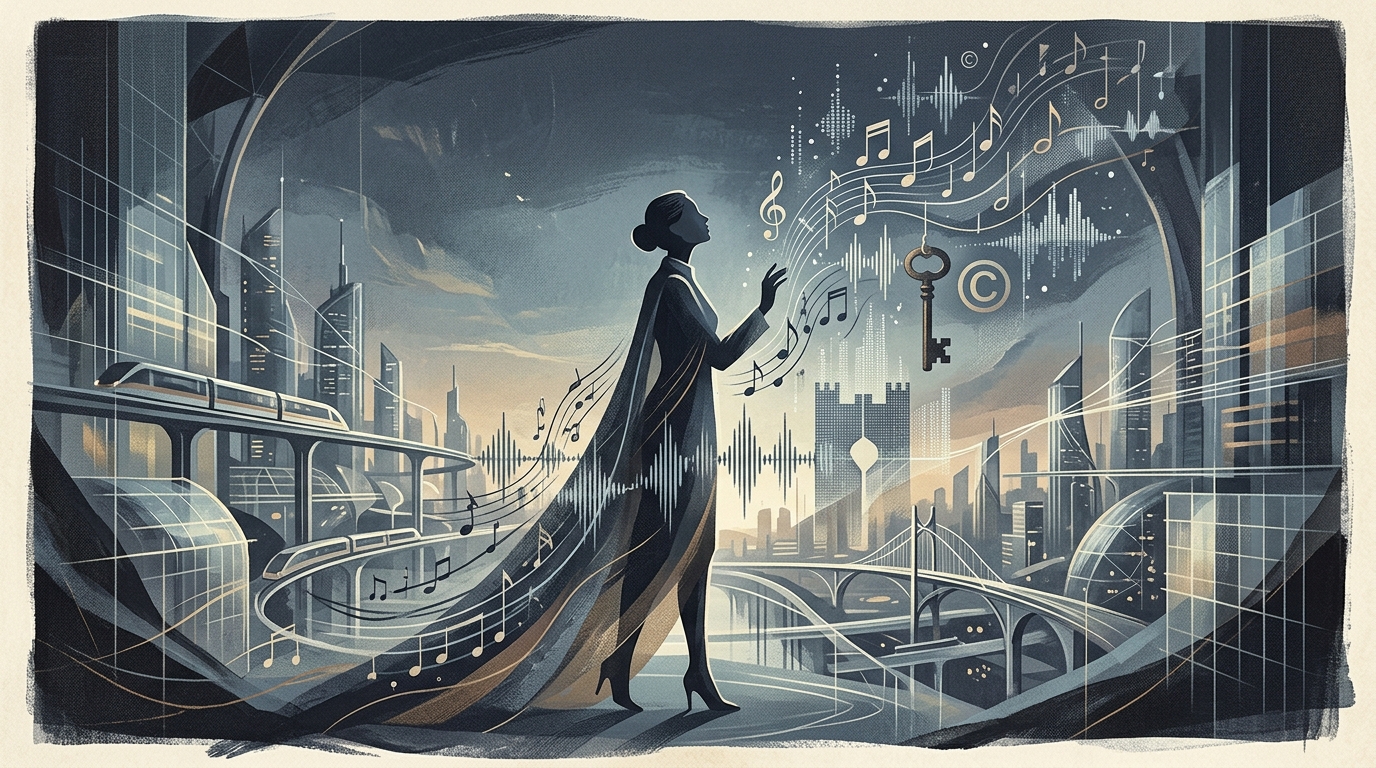
In the dawn of the fourth industrial revolution, Taylor Swift—the artist who reshaped the music industry through her strategic re-recordings—is opening a new, even more complex legal front: the trademarking of her own voice. As generative artificial intelligence makes it possible to create convincing vocal clones at the touch of a button, Swift is seeking to transform her biological traits into protected intellectual property. This move is not merely a business strategy; it is an existential statement about self-ownership in a digital world.
The Legal Anatomy of a Voice
Traditionally, trademarks protect symbols, names, and logos that identify the source of a product. However, extending this protection to the human voice represents a legal gray area. While the "Right of Publicity" already protects artists from the unauthorized use of their likeness or voice for commercial purposes, a trademark offers a far more potent weapon. It allows the holder to control the use of their voice in broader contexts and to take proactive legal action rather than merely reacting to infringements.
Swift is not the first to experiment with the idea of sonic identity. Harley-Davidson once attempted to trademark the sound of its engines, and MGM has trademarked its lion's roar. But a human voice is inextricably linked to personality and freedom of expression. If Swift succeeds, it sets a precedent where biometric identity becomes a commodified asset with strict usage restrictions, potentially altering the landscape of human rights in the digital age.
The AI Threat and the Rise of Deepfakes
The urgency for such a move stems from the explosive rise of AI deepfakes. In 2023, the song "Heart on My Sleeve," which utilized AI clones of Drake and The Weeknd, went viral before being pulled from streaming platforms. For artists of Swift's stature, the voice is their most valuable capital. If anyone can generate a new "Taylor Swift song" using an AI model, the value of her authentic artistry is threatened with collapse.
According to legal analysts, Swift’s endeavor aims to close the loopholes left by current copyright laws. Copyright protects specific recordings but not the "timbre" or "style" of the voice itself. By seeking a trademark, Swift is attempting to build a legal fortress around her acoustic identity, potentially preventing AI models from being trained on her vocal data without explicit permission.
Implications for Art and Free Speech
Nevertheless, this move is not without its critics. Many argue that the over-commodification of personal traits could stifle creativity. What happens to parody artists? What about singers who naturally possess a similar vocal range? If the law becomes too restrictive, we risk seeing a monopolistic management of human expression.
- Parody and Satire: Legal protection of the voice could be used to suppress criticism or satire, which are pillars of free speech.
- Technological Accessibility: If only wealthy artists can afford the cost of trademark protection, smaller creators will remain exposed to AI exploitation.
- The Future of Licensing: We could see a future where artists "rent out" their voices to advertising agencies or other creators via official channels, turning human essence into a licensable API.
In a world where the distinction between the real and the synthetic is becoming increasingly blurred, Taylor Swift's battle is just the tip of the iceberg. It is not just about music; it is about who owns the data that makes us unique. As the U.S. Congress debates the "No AI Fraud Act," Swift’s initiative will serve as a catalyst for shaping global intellectual property standards in the 21st century. The outcome will determine whether our voices remain part of our identity or become mere assets in a corporate ledger.