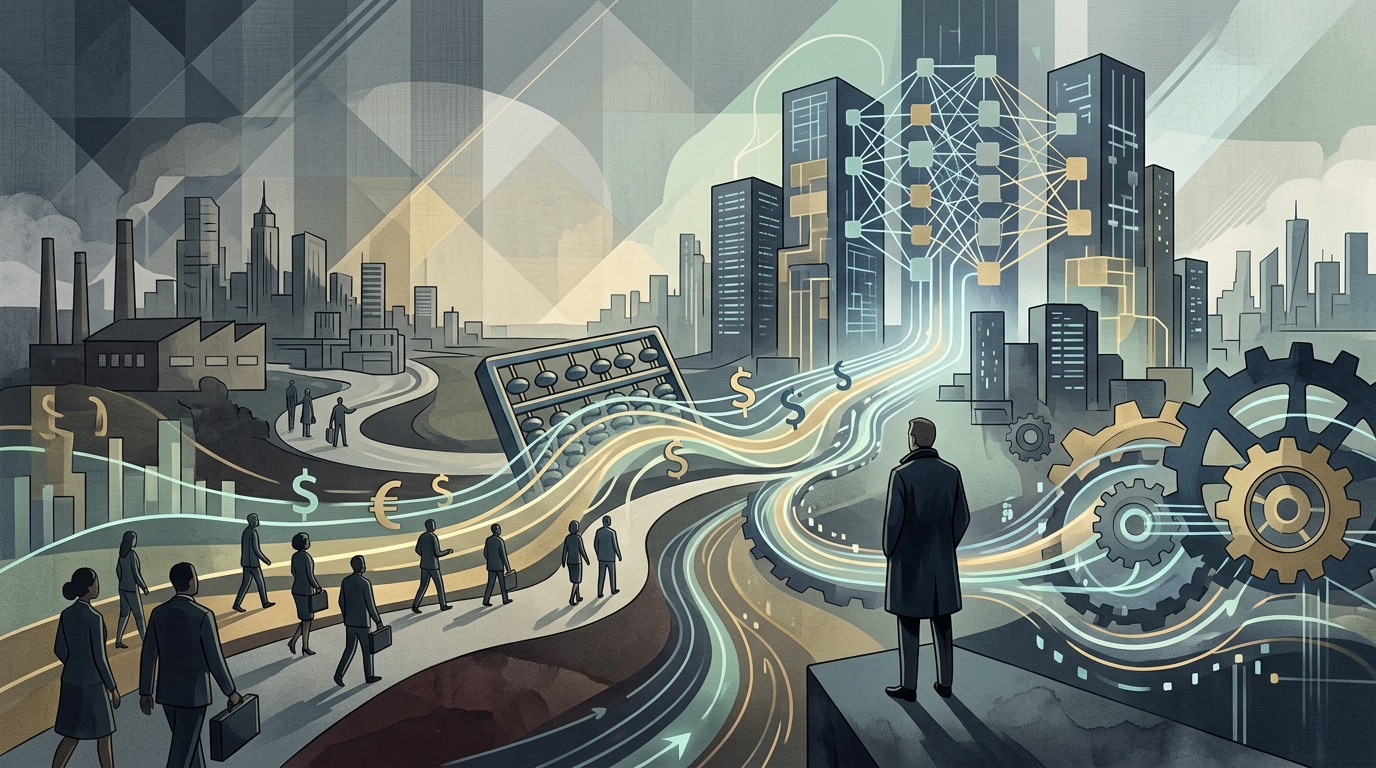
Software development, once the exclusive domain of human logic and creative problem-solving, is undergoing a historic metamorphosis. According to a comprehensive new report analyzing global technology trends, the integration of Artificial Intelligence (AI) is no longer a mere convenience but the new foundation upon which our digital future is built. The report, highlighted in Eurasia Review, emphasizes that the speed at which AI is penetrating the Software Development Life Cycle (SDLC) outpaces any previous technological adoption, from the advent of cloud computing to the mobile revolution.
Productivity in the Age of Large Language Models
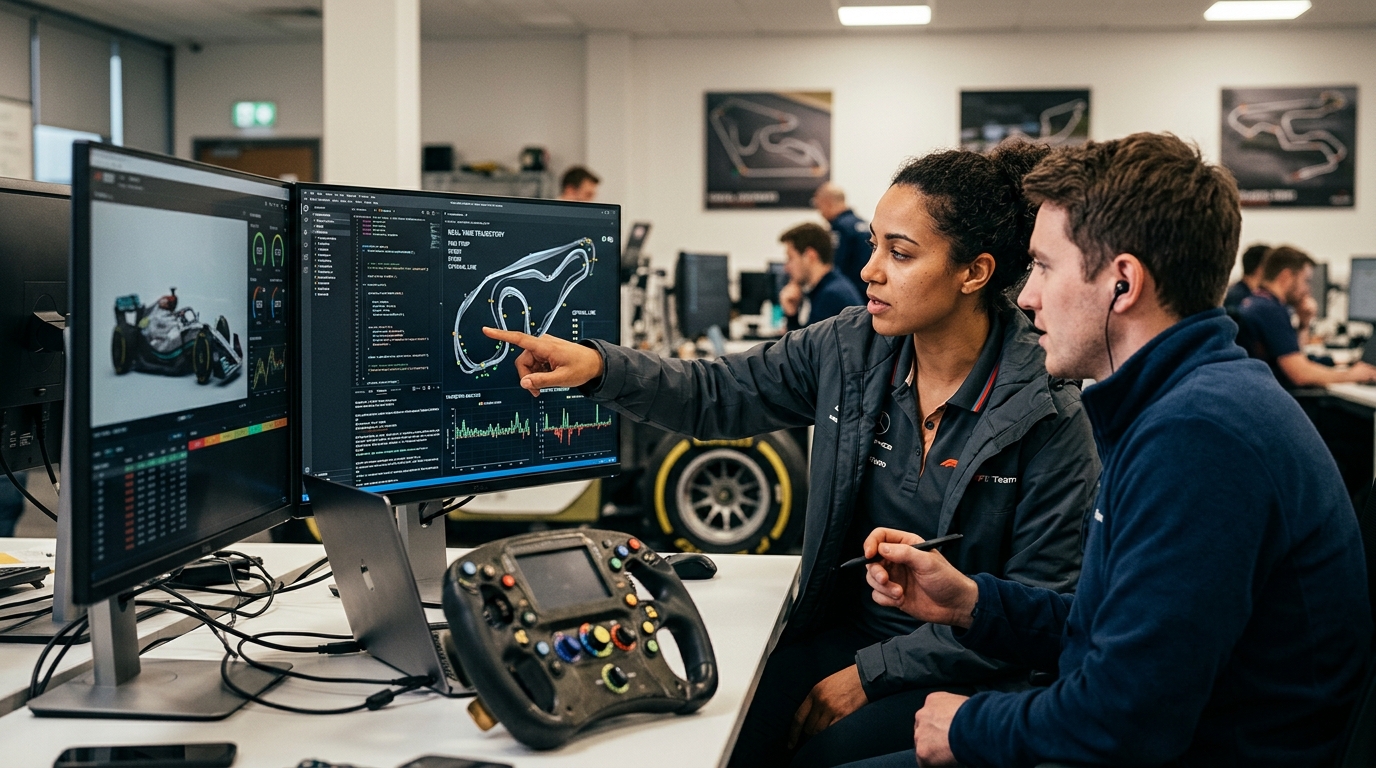
The dominant finding of the report concerns the explosive increase in productivity. Developers utilizing advanced AI assistants, such as GitHub Copilot, Cursor, and specialized LLMs, report a reduction in coding time by 30% to 50%. However, the report warns that this speed is a double-edged sword. While the generation of "boilerplate" code has become nearly instantaneous, the need for critical thinking and architectural design has increased exponentially. AI can write functions, but understanding how these functions interact within a complex ecosystem remains—for now—a deeply human skill.
Furthermore, the report points to a shift from an "imperative" programming approach (how to do something) to a "declarative" one (what we want to achieve). Developers are evolving from "builders" to "inspectors" and "orchestrators." This paradigm shift is forcing tech companies to re-evaluate their training and evaluation methods, placing greater emphasis on systems thinking rather than the rote memorization of syntax rules for a specific language.
Security and Technical Debt: The Hidden Risks
Despite the benefits, the report sounds an alarm regarding the quality of AI-generated code. AI has a tendency to replicate bugs present in its training data or create code "hallucinations" that appear correct but contain critical security flaws. "Technical debt"—the cost of future fixes for suboptimal code—threatens to balloon if organizations do not establish rigorous audit protocols. The ease of code generation could lead to a deluge of low-quality software that will be impossible to maintain long-term without continuous AI assistance, creating a vicious cycle of dependency.
- Increase in application-level vulnerabilities due to automated code completion without human oversight.
- Difficulty in error traceability within systems that are 80% machine-generated.
- Legal challenges regarding intellectual property and the copyright of code produced by models trained on open-source data.
Social and Geopolitical Dimensions
In a broader context, the Eurasia Review report examines how AI affects the international labor market. The "democratization" of programming means that individuals without traditional computer science backgrounds can now create applications. However, this creates pressure on junior developer roles, which traditionally performed the tasks now handled by AI. There is a risk that the "career ladder" for the next generation of professionals will be lost if their new place in the value chain is not carefully considered.
Geopolitically, the dominance of US and Chinese tech giants in developing these AI tools creates a new form of technological dependency for other nations. A country's ability to develop its own software is now inextricably linked to its access to computational power and sophisticated AI models, turning code into a new field of diplomatic and economic power.
Conclusions for the Future
The report concludes that we are not witnessing the end of the developer, but the end of the developer as a "translator" of logic into text. The future software engineer must be a hybrid professional: half philosopher-logician and half systems auditor. Success in the AI era will not be judged by how fast we write code, but by how well we can ask the right questions and discern truth within the probabilistic answers of machines.