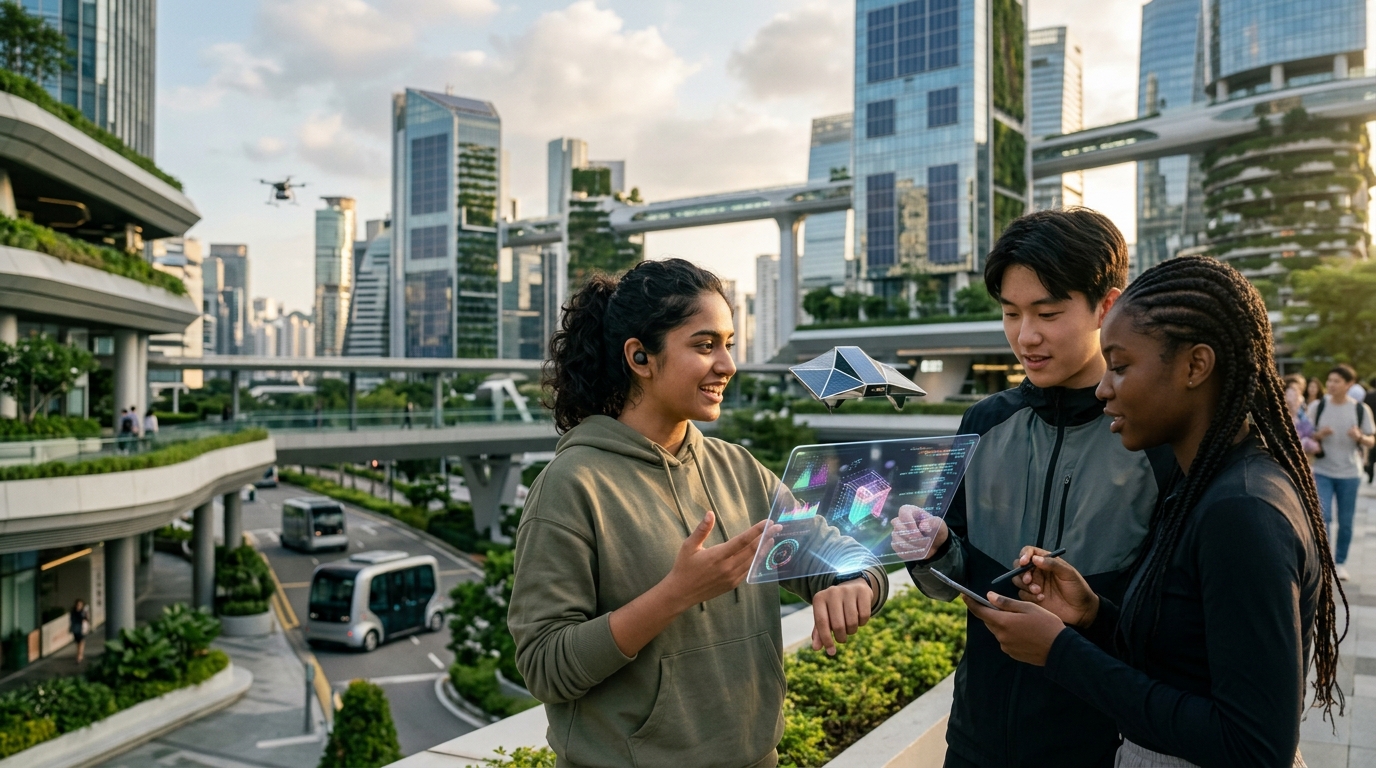
For decades, the educational paradigm has relied on a rigid hierarchy: the teacher as the sole proprietor of knowledge and the student as the passive vessel. However, the rise of Generative AI has upended this dynamic overnight. In 2026, we find ourselves in a reality where students are not just users of technology, but the true "natives" of a digital landscape that adults are still struggling to map. The proposal gaining traction globally is as radical as it is necessary: let students lead the AI revolution in education.
The Intuitive Advantage of Digital Natives
The term "digital native" is not new, but in the era of Artificial Intelligence, it takes on a profound new meaning. While educators and policymakers often approach AI with skepticism or fears of academic dishonesty, students view it as a natural extension of their cognitive abilities. For a teenager today, using a Large Language Model (LLM) to structure code or synthesize historical data is as intuitive as a search engine was for the previous generation.
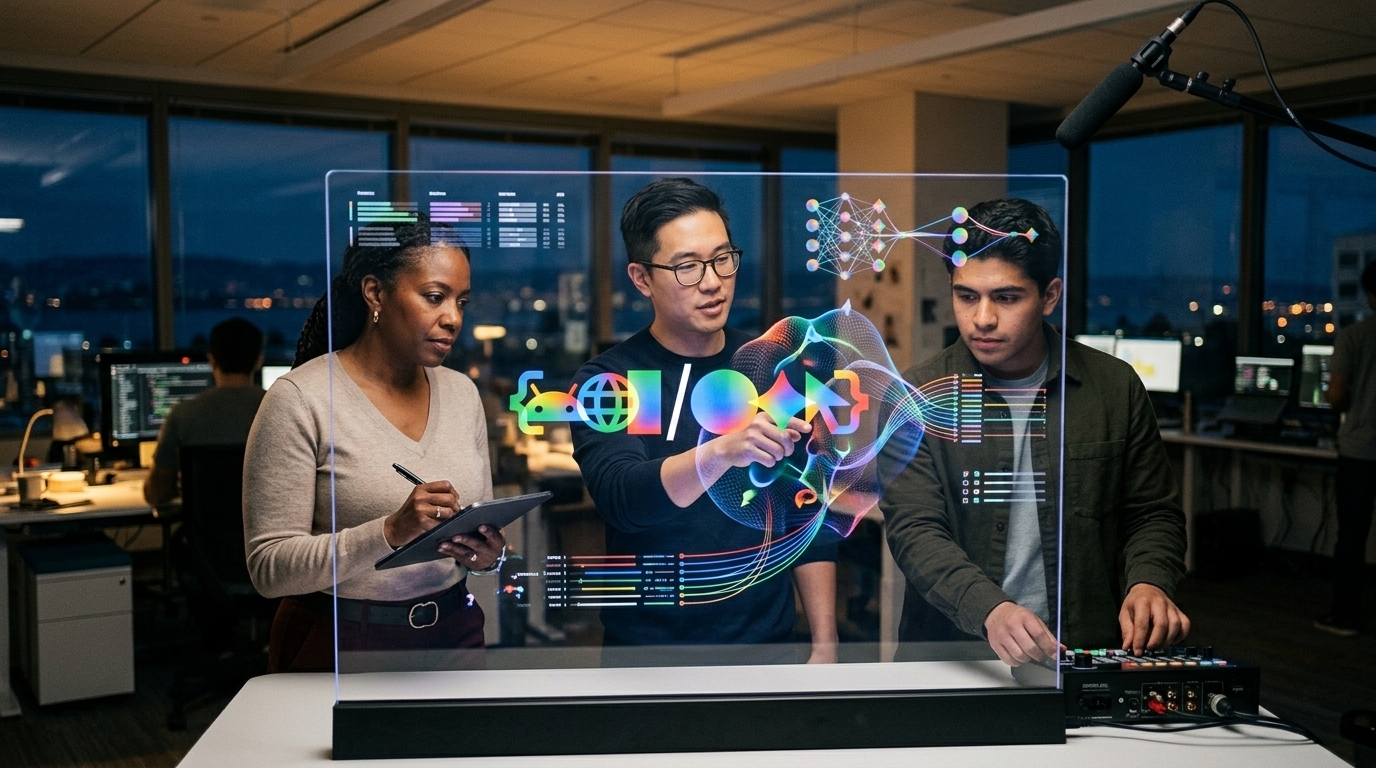
This comfort is not merely technical; it is psychological. Students experiment, fail, and iterate at speeds that traditional educational bureaucracies cannot match. Rather than imposing top-down bans, integrating students into the governance of AI tools in schools can create a more equitable and effective framework. As analysts suggest, when students become co-architects of their learning process, their engagement levels soar.
From Consumption to Co-Creation
The AI revolution in the classroom isn't just about using tools to make homework easier. It's about a fundamental shift from passive information consumption to creative problem-solving. In several pioneering school districts, "Student AI Advisory Boards" have already been established. These boards allow students to work alongside administrators to define ethical use and explore how AI can support neurodivergent learners.
- Personalized Learning: Students can tailor AI tutors to their specific learning pace, achieving a level of personalization that a single teacher in a crowded classroom cannot provide.
- Critical Thinking Development: Leading the AI integration forces students to evaluate algorithmic bias, transforming them from mere users into critical analysts of technology.
- Bridging the Digital Divide: Student leaders can act as peer-mentors, ensuring that those without high-tech access at home aren't left behind by the rapid pace of change.
The Educator's Challenge: From Authority to Facilitator
The primary resistance to this shift often stems not from a lack of infrastructure, but from an identity crisis among educators. Many teachers feel they are losing control of the classroom environment. However, letting students lead does not render teachers obsolete. On the contrary, it elevates their role to that of a mentor, facilitator, and ethical compass.
"AI will not replace the teacher, but the teacher who uses AI will replace the one who does not. Similarly, the student who masters AI will be the one to architect the economy of tomorrow."
This transition requires a shift in how we measure success. If a student can use AI to generate a standard essay in seconds, the value of that essay as a metric of intelligence drops to zero. Instead, educators must focus on the process—the prompting, the fact-checking, and the original synthesis—areas where student intuition and teacher guidance meet.
Ethics, Privacy, and Student Agency
One of the strongest arguments for student leadership in AI is the development of ethical governance. Today's youth are remarkably attuned to issues of data privacy and social justice. By involving them in policy-making, we ensure that AI tools are not used for surveillance or punitive measures, but for genuine empowerment. The educational revolution won't come from a new software suite purchased by a government agency; it will come when students feel that technology is their instrument for change.
In conclusion, the AI revolution in education is inevitable. We can either fight it with outdated bans or embrace it by empowering those who understand it best. By letting students lead, we aren't just teaching them how to use a tool; we are preparing them to be the responsible leaders of a future where AI and human intelligence are inextricably linked.