The planet's balance is once again being tested as meteorological agencies worldwide sound the alarm over the potential emergence of a 'Super El Niño.' This phenomenon, traditionally linked to rising sea surface temperatures in the central and eastern equatorial Pacific, is taking on characteristics that alarm the scientific community. This is not merely a periodic fluctuation; it is a 'perfect storm' fueled by the already burdened thermal state of the oceans due to anthropogenic climate change.
The Mechanics of the Phenomenon and the 'Super' Dimension
El Niño is the warm phase of the El Niño-Southern Oscillation (ENSO), a natural cycle that influences weather patterns across the globe. However, the term 'Super El Niño' is used when temperature anomalies exceed 2 degrees Celsius above average. According to the latest data, projections suggest we are on the threshold of such an extreme event. The difference today lies in the 'thermal inertia' of the oceans. The seas have absorbed 90% of the excess heat generated by greenhouse gases, acting as an energy reservoir that can be released violently.
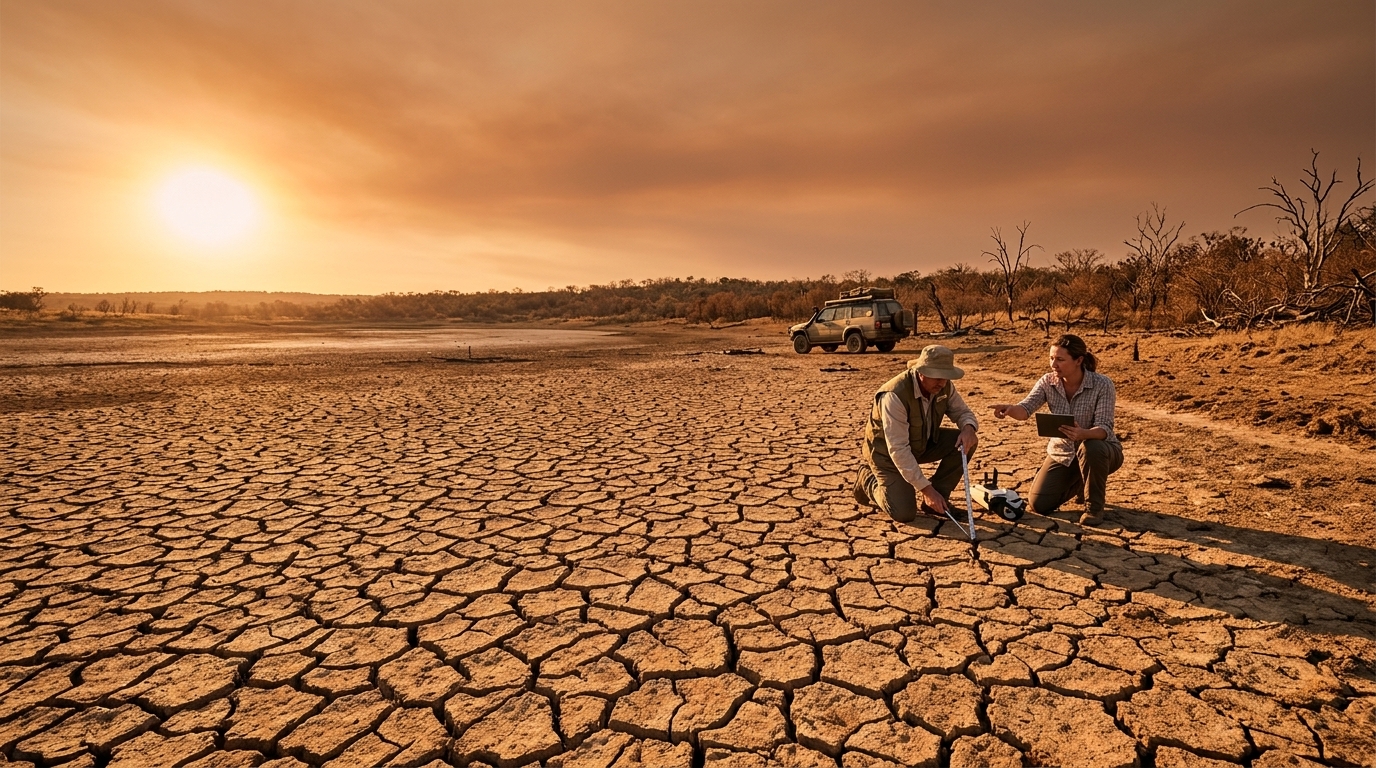
Scientists point out that the intensity of the phenomenon depends not only on local Pacific warming but also on how it interacts with atmospheric circulation. A strong El Niño can shift the jet stream, causing devastating floods in South America and California, while simultaneously plunging Australia, Indonesia, and parts of Southeast Asia into prolonged droughts and wildfires.
Economic and Social Implications
The consequences of such a phenomenon extend far beyond simple meteorology. The global economy faces a threat that could destabilize commodity markets. Agriculture is the first sector to be hit. Rice crops in Asia, corn in Latin America, and wheat in Australia are at risk of dramatic yield reductions. This translates into rising food prices globally, fueling inflation during an already fragile period.
- Increased energy costs due to reduced hydroelectric dam performance in drought-stricken areas.
- Pressure on insurance systems from natural disasters.
- Risk of food insecurity in developing nations.
- Disruption of supply chains due to extreme weather at strategically important ports.
Furthermore, public health is at risk. Higher temperatures and changes in rainfall patterns favor the spread of vector-borne diseases, such as dengue fever and malaria. Urban infrastructure, much of which was not designed to withstand floods of this intensity, is expected to be severely tested.
The Mediterranean and the Greek Reality
Although El Niño is a Pacific phenomenon, its 'teleconnections' also affect Europe. For Greece and the Mediterranean, a Super El Niño can mean an unusually warm winter, depriving mountains of the snow necessary to replenish aquifers. The lack of water during winter months foreshadows a nightmarish summer with extreme heatwaves and an increased risk of forest fires.
"We are no longer in an era where we can treat these phenomena as isolated incidents. They are part of a new climate normalcy that requires a radical redesign of our infrastructure," say leading researchers.
Preparation is key. Utilizing artificial intelligence for more accurate local impact predictions and investing in resilient crops are the only ways forward. The question is no longer whether a 'Super El Niño' will occur, but whether humanity is ready to manage the cost of its inaction in the face of the climate crisis.