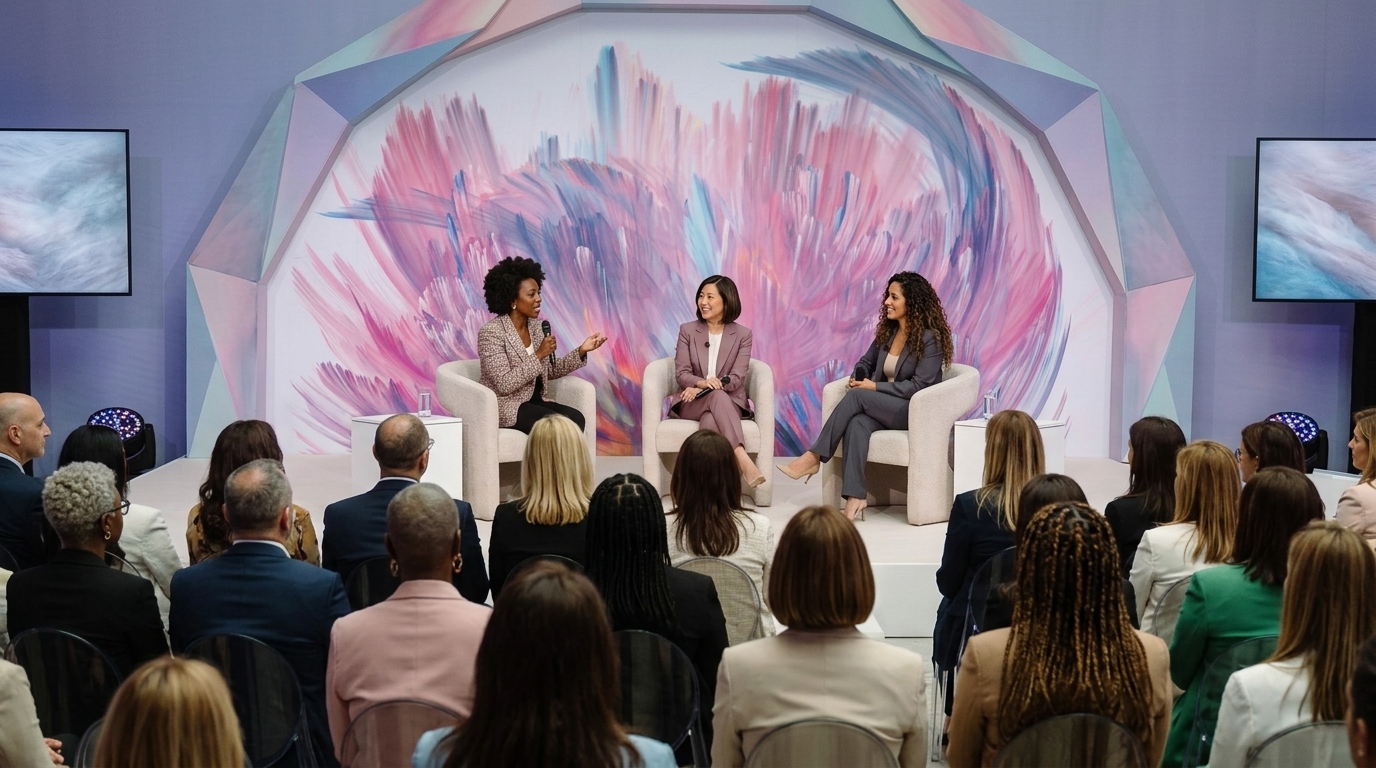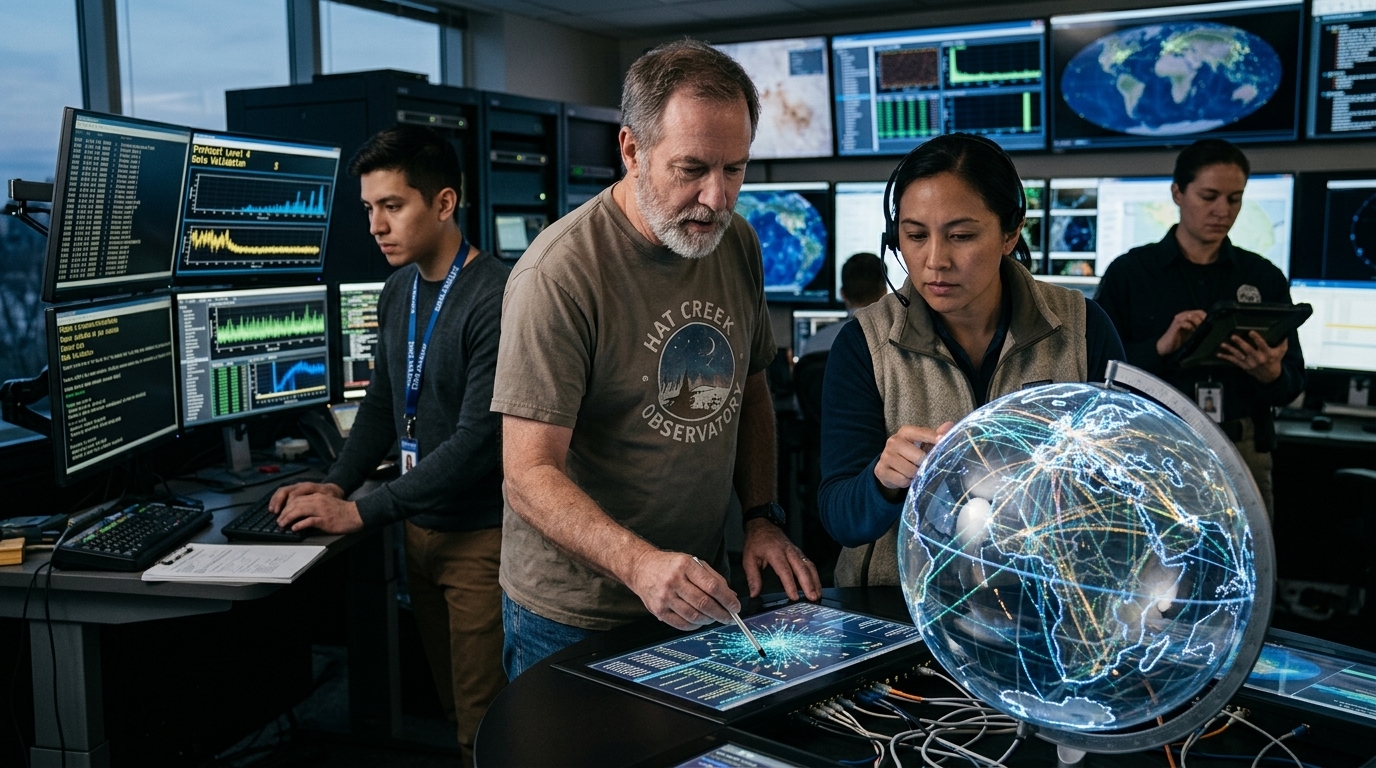
At the threshold of academic choices for 2026, a paradoxical phenomenon is unfolding in university applications. While Artificial Intelligence (AI) has saturated every aspect of production—from coding to legal analysis—the science of Psychology is not retreating; instead, it is transforming and gaining strength. Choosing Psychology as a specialty in 2026 is no longer a "traditional" humanities escape, but a strategic move in an economy starving for what algorithms cannot replicate: authentic human connection and a deep understanding of the psyche.
The "Human Premium" in the Age of Algorithms
The rapid evolution of Large Language Models (LLMs) has birthed digital "therapists" available 24/7. However, the experience of the last two years has shown that technology serves more as a complement than a substitute. Students entering psychology departments today are called to navigate a new reality where empathy is the most valuable currency. A psychologist's ability to discern the subtle nuances of non-verbal communication, perceive cultural context, and offer ethical support during existential crises—often fueled by technology itself—renders the profession more relevant than ever.
"AI can analyze behavioral data from thousands of people in seconds, but it cannot feel the weight of a silence in a therapy room," notes a professor of clinical psychology.
The 2026 job market seeks professionals who can bridge the gap between human and machine. Psychology experts are now essential in software development teams, designing interfaces that avoid addiction, or in HR departments trying to manage the "technostress" of employees in an automated world.
New Specialties and Hybrid Careers
Choosing Psychology in 2026 opens doors to fields that seemed like science fiction five years ago. Candidates are no longer limited to clinical practice or education. New roles are emerging, such as:
- Digital Wellness Coaches: Professionals helping individuals and organizations find balance in an over-connected daily life.
- AI Interaction Psychologists: Experts training algorithms to recognize and respond correctly to human emotions without violating ethical boundaries.
- Neuro-ergonomic Designers: Utilizing neuroscience to improve human-computer interaction in augmented reality (AR) environments.
These hybrid careers offer high salaries and job security, as they combine technical literacy with profound knowledge of human nature.
The Challenge of Ethics and Privacy
However, the path to the future is not without obstacles. The psychologists of 2026 face massive ethical dilemmas. Using data from wearables to diagnose mental health conditions or employing AI to predict depressive episodes raises serious questions about privacy. The education of new psychologists must now include heavy doses of tech ethics and digital literacy. The ability to protect the patient from algorithmic bias is a skill as vital as knowledge of cognitive behavioral therapy.
Conclusion: A Science in Transition
Psychology in 2026 is not merely a science of the past trying to survive; it is the pillar upon which our healthy relationship with the future will be built. For the young people choosing this path, the promise is clear: the more "artificial" our world becomes, the more valuable it will be to understand what makes us truly human. Investing in psychology is, ultimately, an investment in the resilience of the human species.