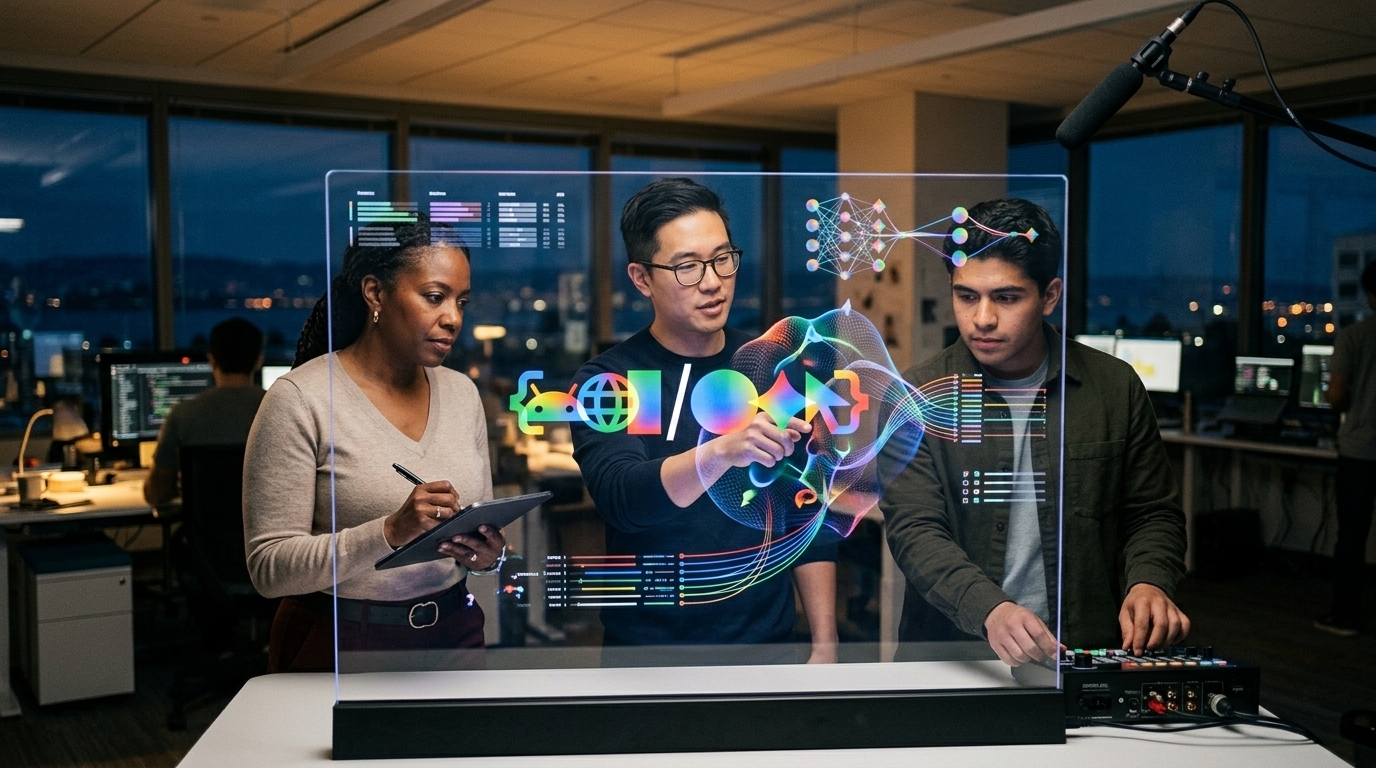
Business education is standing at a historic crossroads. As we navigate through 2026, the traditional MBA (Master of Business Administration) is under immense pressure to reinvent itself. Artificial Intelligence is no longer just an elective or a niche interest; it has become the central pillar of corporate survival and strategic growth. In this context, Penn State Great Valley School of Graduate Professional Studies has announced the launch of a new MBA concentration in Artificial Intelligence, a move that signals a shift from theoretical algorithmic understanding to practical, executive application.
The Strategic Imperative of AI Education
The new program does not aim to churn out more coders or data engineers. Instead, it focuses on developing a new breed of executives who can "translate" the vast potential of AI into tangible business value. The current labor market suffers not just from a shortage of technical talent, but from a profound lack of managerial leaders who understand how to integrate Generative AI into supply chains, marketing strategies, and decision-making processes without compromising the ethical integrity of their organizations.
According to the program leads at Penn State, the curriculum is meticulously designed to bridge the "communication gap" between technical departments and the boardroom. Students will dive deep into big data analytics, machine learning for business forecasting, and, perhaps most importantly, AI governance. The latter is crucial for mitigating the algorithmic biases and transparency issues that have plagued major corporations in recent years.
Curriculum Breakdown: Moving Beyond the Hype
The coursework at Great Valley is anchored by three core pillars:
- Strategic Integration: How a company can redesign its entire business model around AI, rather than simply treating it as a plug-and-play automation tool.
- Ethics and Regulatory Compliance: With the EU AI Act and evolving US federal guidelines becoming more stringent, leaders must navigate the complex legal boundaries of data usage and algorithmic accountability.
- Change Management: The introduction of AI often triggers fear and resistance within a workforce. Penn State graduates are trained to lead their teams through this psychological and structural transformation.
"We aren't just teaching how the technology works; we are teaching how this technology changes the very nature of work and value creation,"stated the university's academic leadership during the launch event.
Market Response and the Global Landscape
Penn State’s move is not an isolated incident but part of a broader global trend. From Wharton to INSEAD, top-tier institutions are racing to redefine their pedagogy. However, Great Valley’s approach is particularly notable for its professional focus, targeting mid-career professionals who are witnessing their industries undergo violent disruption. This practical orientation ensures that the degree is not just a credential, but a toolkit for immediate implementation.
In the global context, the demand for such programs is skyrocketing. Businesses that remain conservative in their adoption of AI risk obsolescence. The Penn State AI MBA serves as a blueprint for how higher education can remain relevant in an era where specialized knowledge depreciates faster than ever before. It challenges the notion that business and technology are separate silos, merging them into a singular, cohesive discipline.
Conclusion: The 21st Century Leader
The success of this initiative will ultimately be measured by the ability of its graduates to build human-centric AI systems. Artificial Intelligence is not a replacement for leadership; it is a multiplier of it. The challenge for Penn State Great Valley is to prove that business management remains a humanistic endeavor, even when decisions are augmented by neural networks. The era of "blind" automation is drawing to a close, and the era of strategic, intelligent leadership is just beginning.