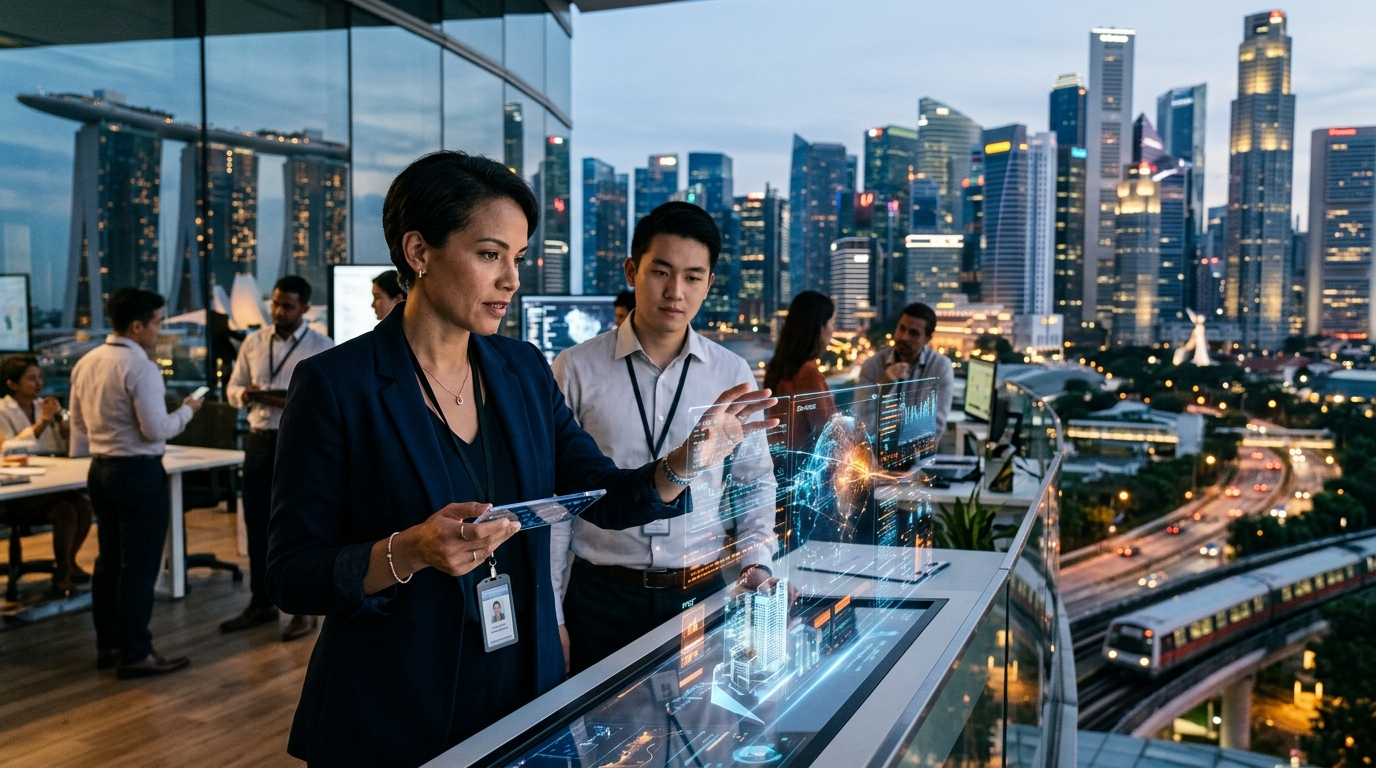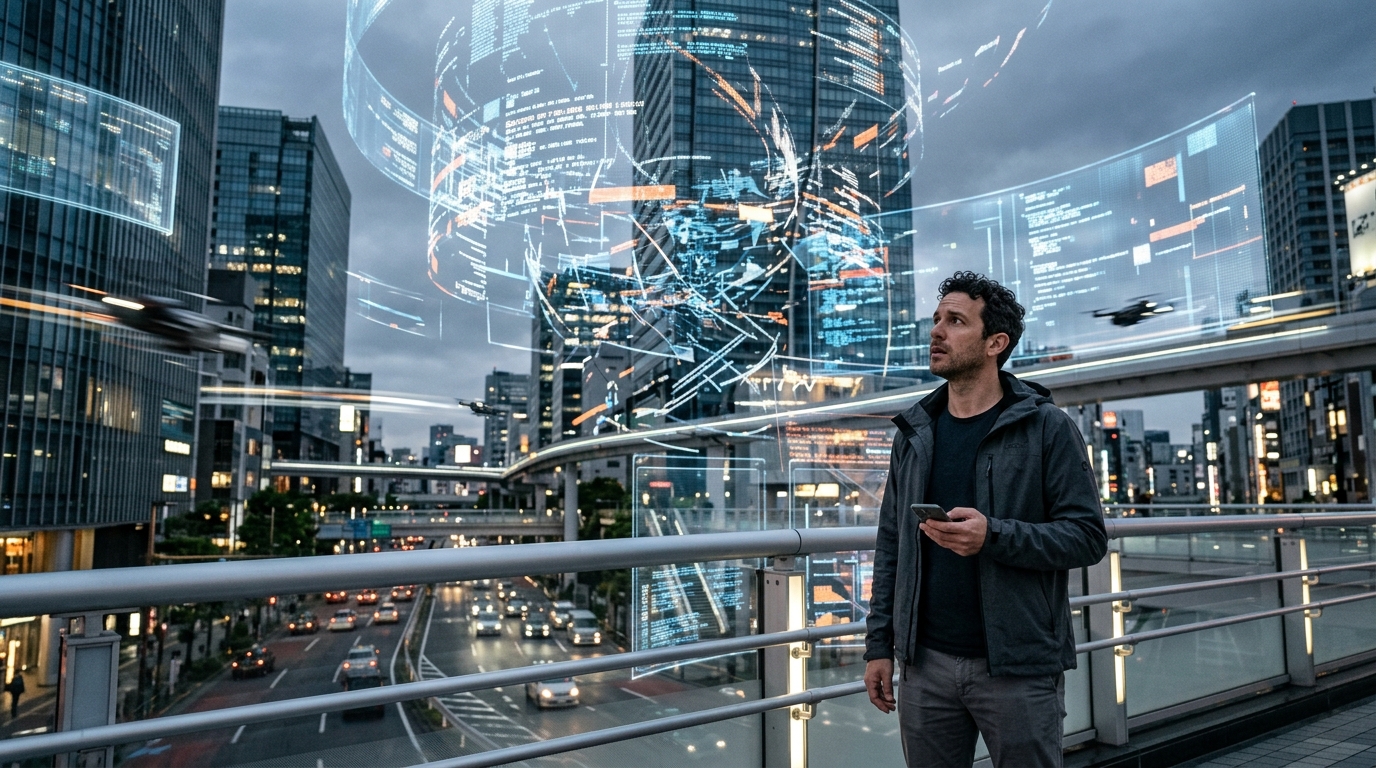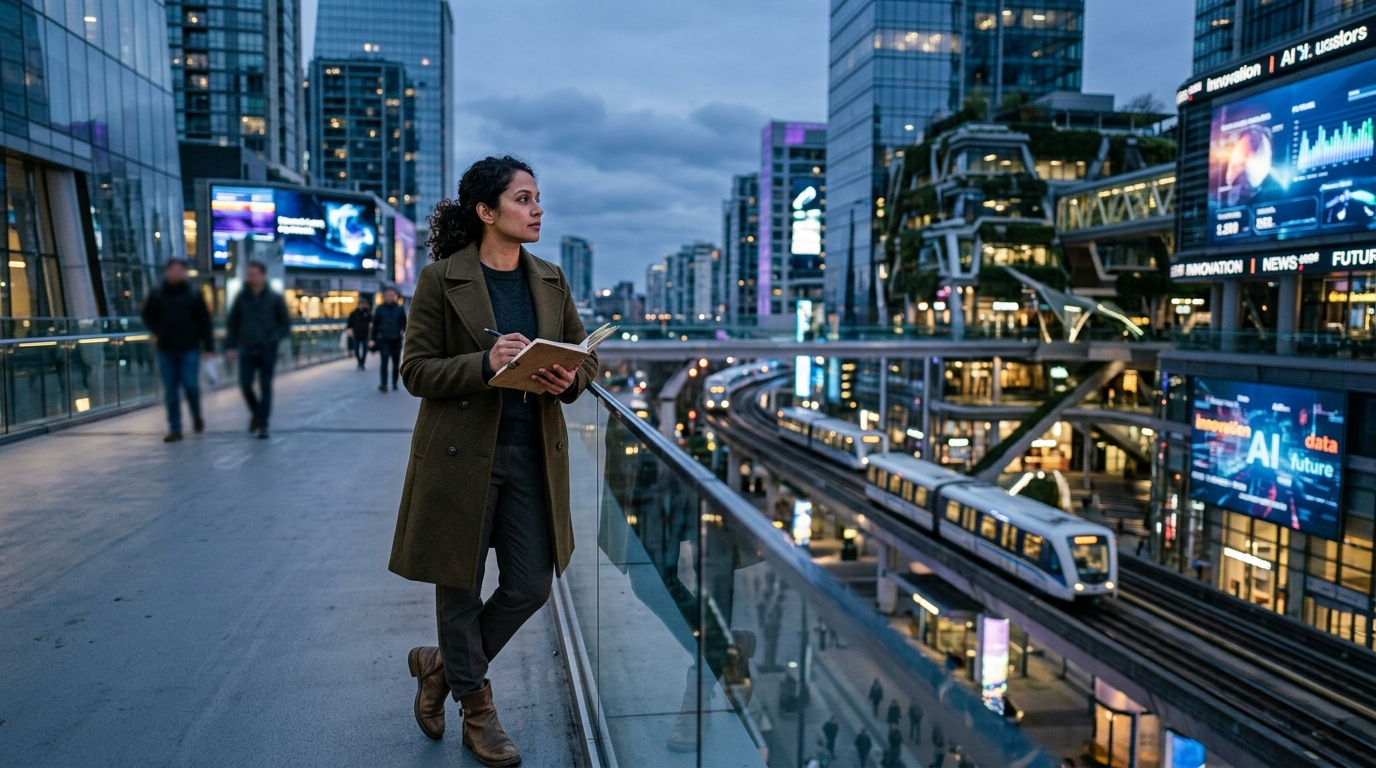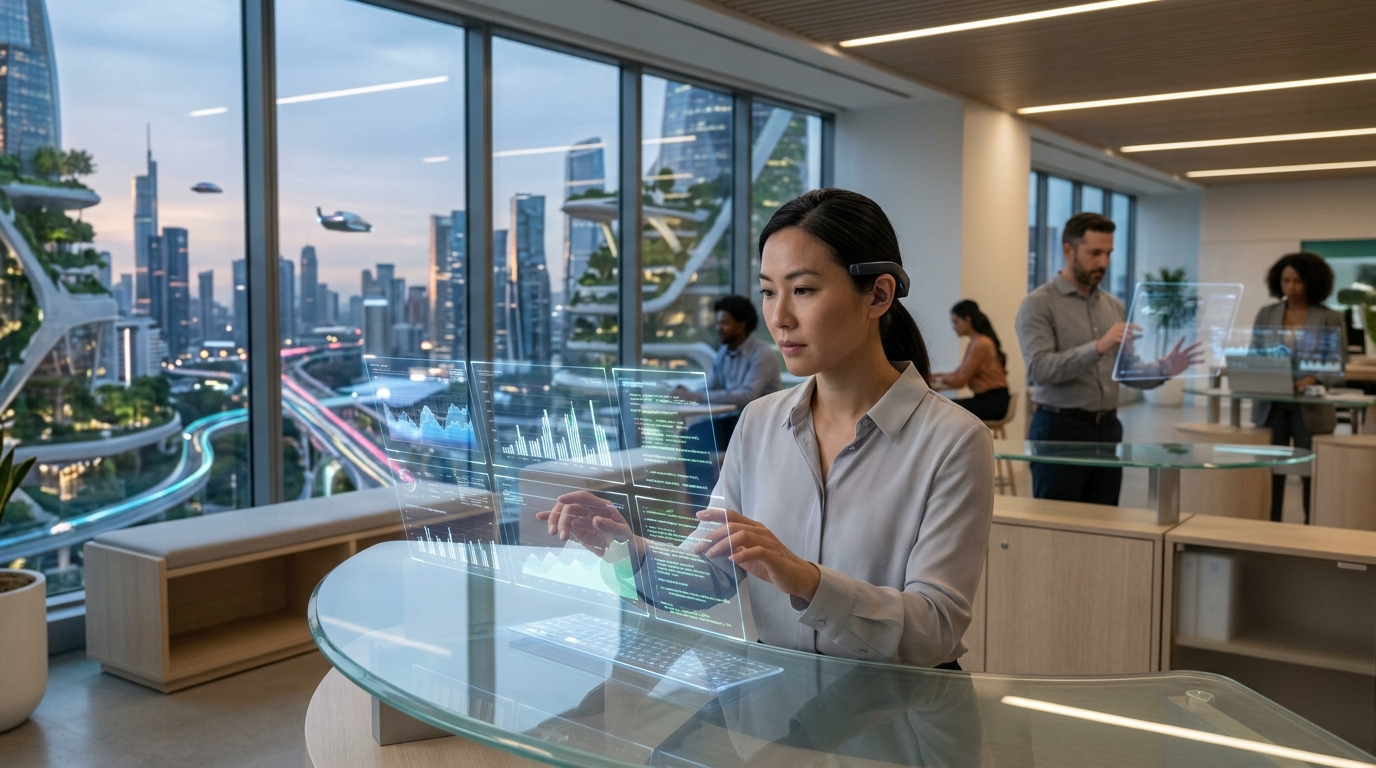
As we navigate through 2026, the first cracks in the traditional labor model are already visible. Artificial Intelligence is no longer just a tool, but a collaborator. However, projections for 2050 transcend current imagination, transforming the "office" from a physical or digital space into a state of consciousness. The convergence of biology and informatics promises to make the keyboard and screen relics of a primitive past.
The Era of Neuro-productivity
By 2050, the dominant technology in the workplace won't sit on our desks; it will reside within our skulls. Brain-computer interfaces (BCIs), evolved versions of today’s experimental implants, will allow for the direct transfer of thoughts into data. Drafting a report or designing an architectural plan will occur at the speed of thought. What we now call "deep work" will be achieved via neuromodulation, where an employee can enter a state of absolute focus with the flip of a virtual switch.
- Instant thought-to-thought communication between project teams.
- Elimination of language barriers through simultaneous neural translation.
- The ability to "download" skills directly into the brain for immediate specialization.
However, this evolution raises chilling questions regarding the privacy of thought. If an employer has access to neural activity for productivity purposes, where does professional obligation end and mental liberty begin? The concept of "intellectual capital" will take on a literal and perhaps dangerous dimension.
The Death of the Eight-Hour Day and the Rise of Flow
The industrial relic of the eight-hour workday will have vanished by 2050. In a world where AI manages 90% of executive tasks, human contribution will be limited to strategic decision-making, creative problem-solving, and empathetic leadership. Work will no longer be measured by time, but by value and "flow output."
Future workers will be "knowledge nomads," offering their services to multiple ecosystems simultaneously. AI will function as a personal agent, negotiating contracts, managing schedules, and filtering information so that humans intervene only where their judgment is irreplaceable. This could lead to a new golden age of creativity, or a two-tiered society: those who control the algorithms and those marginalized by them.
Virtual Environments and Digital Twins
The physical office will be a luxury choice or a space for social ritual, not a necessity. The Meta-reality of 2050 will offer work environments indistinguishable from reality. Through haptic suits and neural stimulation, you will be able to feel the handshake of a colleague on the other side of the planet or "touch" three-dimensional data.
"The office of the future is not a place, but an experience that adapts to the user's biological needs," say future-studies analysts.
Furthermore, every worker will possess a "digital twin," an AI trained on their own cognitive processes. This twin can attend low-importance meetings, respond to communications, and lay the groundwork for the "real" self, allowing the human to focus on the essence of existence and creation.
The Challenge of Human Identity
As we approach the mid-century mark, the greatest challenge will not be technological, but existential. If our work is done by AI and our thoughts are augmented by chips, what remains authentically human? The need to "disconnect" will become the new human right. In 2050, the highest-paid workers might be those who can offer "raw" human thought, free from algorithmic bias. Countries that prioritize human-centric education and ethical frameworks will lead this transition, ensuring that technology serves humanity rather than enslaving it.