The Nevada desert, once exclusively known for the neon glow of Las Vegas casinos and the echoes of mid-century nuclear testing, is rapidly emerging as the new 'El Dorado' of digital storytelling. The launch of the state's first Artificial Intelligence film production company is more than a mere business expansion; it is a clinical symptom of a profound shift in how content is conceived, financed, and consumed. The fact that key figures behind this venture are linked to the global phenomenon 'Tiger King' adds an ironic, yet semiotic weight: we are transitioning from the raw, unpredictable chaos of reality TV to the hyper-controlled, synthetic precision of algorithms.
Nevada’s Strategic Pivot
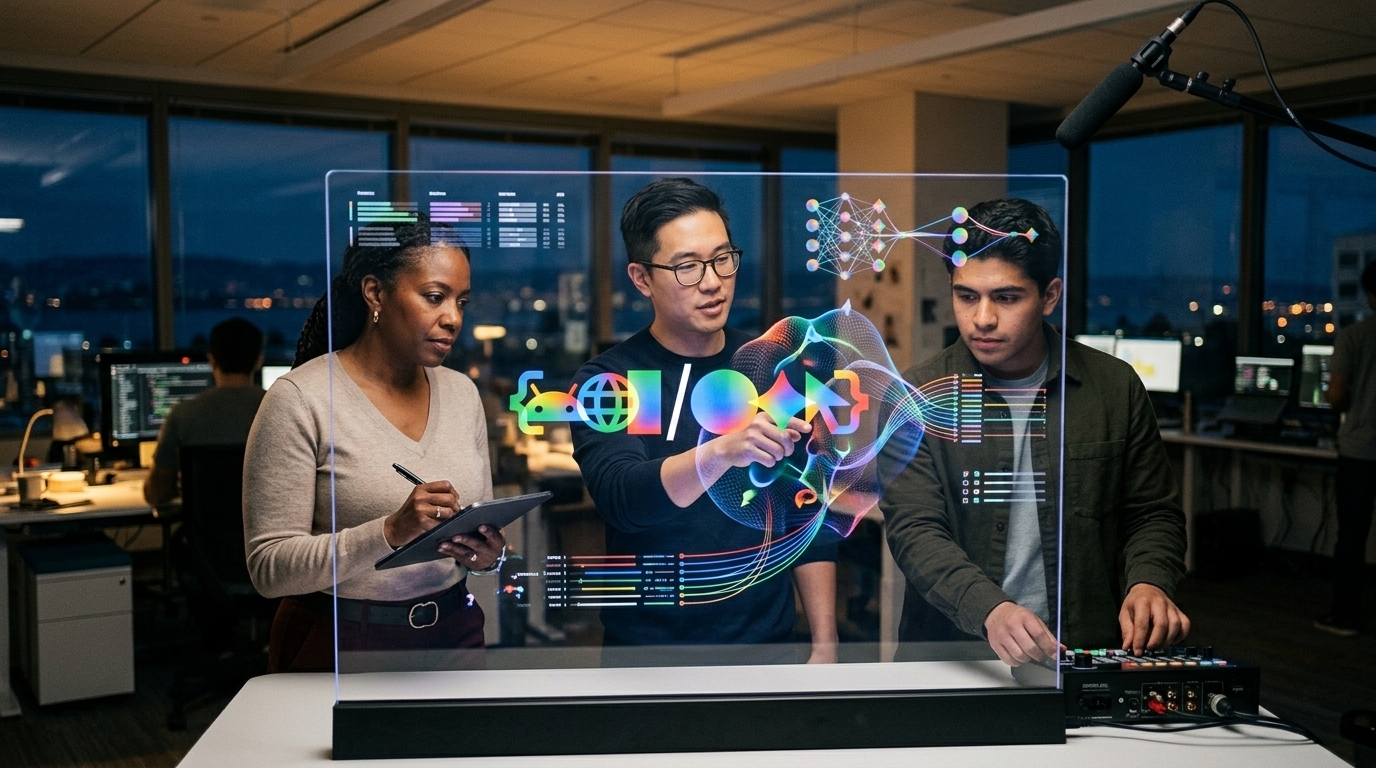
For decades, Nevada has attempted to lure Hollywood with tax incentives, yet it often remained a secondary location, a mere backdrop for the industry's California-centric operations. Today, that dynamic is shifting. This new AI-driven film studio does not require massive soundstages or thousands of background actors. It requires computational power, high-density data centers, and a new breed of 'prompt engineers.' Nevada’s selection is tactical. The state has funneled billions into tech infrastructure, while recent legislation aimed at attracting high-tech firms has created a fertile environment that Los Angeles, burdened by bureaucracy and soaring costs, finds increasingly difficult to match.
This pioneering company promises to slash production costs by as much as 70%. By leveraging Generative AI tools for everything from scriptwriting and storyboarding to final rendering and post-production, they are tapping into the industry's 'holy grail': high-quality output at a fraction of the traditional cost. In an era where major studios are grappling with shrinking margins, this efficiency is no longer optional—it is existential.
From Reality to Synthesis
The connection to 'Tiger King' serves as more than just a marketing hook. Producers like Eric Goode demonstrated an uncanny ability to capture the zeitgeist of viral culture. Their pivot to AI suggests that the next phase of entertainment will not be about documenting reality, but about synthesizing it in ways that are indistinguishable from the truth. AI enables the creation of ageless characters, non-existent locales, and narratives that can be dynamically adjusted to suit individual viewer preferences.
- Reduction of production timelines from years to mere months.
- Elimination of geographical and logistical constraints for filming.
- The potential for hyper-personalized, viewer-centric content.
- Growing concerns over intellectual property and the displacement of human talent.
Ethics and the Future of Cinematic Labor
Unsurprisingly, the launch of an AI-centric studio has sent ripples of anxiety through labor unions. SAG-AFTRA and the WGA, still reeling from the landmark strikes of previous years, view such developments with profound skepticism. If a Nevada-based firm can produce a blockbuster-caliber film with a skeleton crew, the implications for the traditional workforce are catastrophic. The company’s leadership argues that AI is a tool that 'democratizes' creativity, removing the gatekeepers of high-budget production. However, technological history suggests that automation rarely favors the incumbent laborer.
"We aren't replacing creativity; we are liberating it from the shackles of the budget," the project's proponents claim.
As 2026 progresses, Nevada appears to be winning its bet on economic diversification. This AI film company is likely the first of many. If this experiment succeeds, Las Vegas may soon shed its identity as the gambling capital of the world to become the capital of synthetic imagination—a place where the grit of 'Tiger King' meets the digital frontier of the 'Matrix' in a new, algorithmic reality.