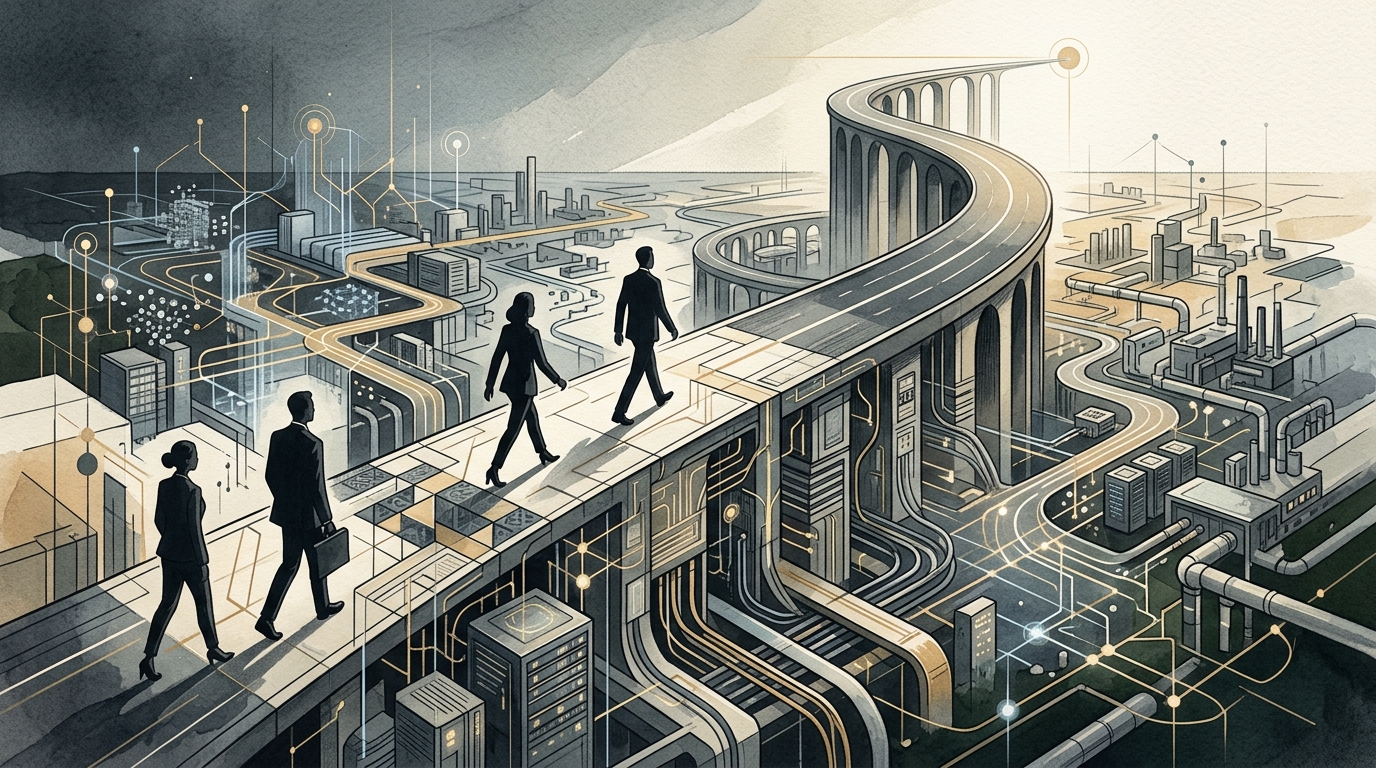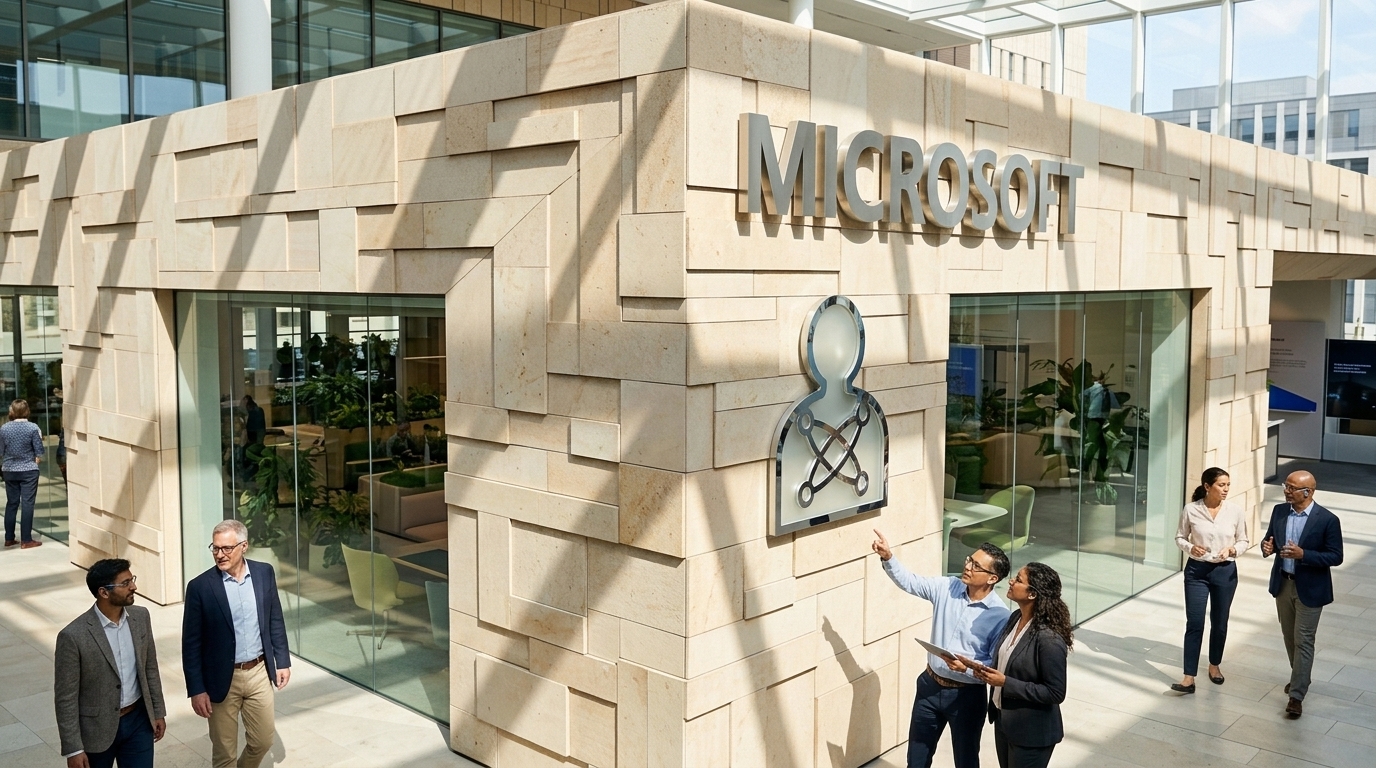
The year 2026 is already being recorded in the history of labor as the moment when Artificial Intelligence ceased to be an exotic "add-on" and became the invisible fabric of daily professional life. Microsoft's latest Work Trend Index 2026, produced in collaboration with LinkedIn, highlights a disruptive reality: we are no longer in the era of simply "using" AI to write an email or summarize a text. We are in the era of collaboration with autonomous AI Agents.
The study, based on a survey of 31,000 workers across 31 countries and trillions of productivity signals from Microsoft 365, underscores that the pressure for performance has reached a breaking point. The paradox of our time is that while AI promises to free our hands, the volume of digital communication has skyrocketed, creating a "digital debt" that traditional management methods are unable to handle.
The Rise of BYOAI (Bring Your Own AI)
One of the most striking findings of the report is the trend known as BYOAI. Nearly 78% of workers globally are bringing their own AI tools to work, often without the formal approval or knowledge of their IT departments. This "silent revolution" suggests that employees feel the need to survive in a high-demand environment and cannot afford to wait for slow corporate software approval processes.
Microsoft points out that while this practice poses data security risks, it also sends a loud message to leadership: if you don't provide the right tools, people will find them on their own. In 2026, AI aptitude is considered as fundamental as reading or writing. Employers are no longer just looking for experience; they are looking for "AI agility."
From "Assistant" to "Agent"
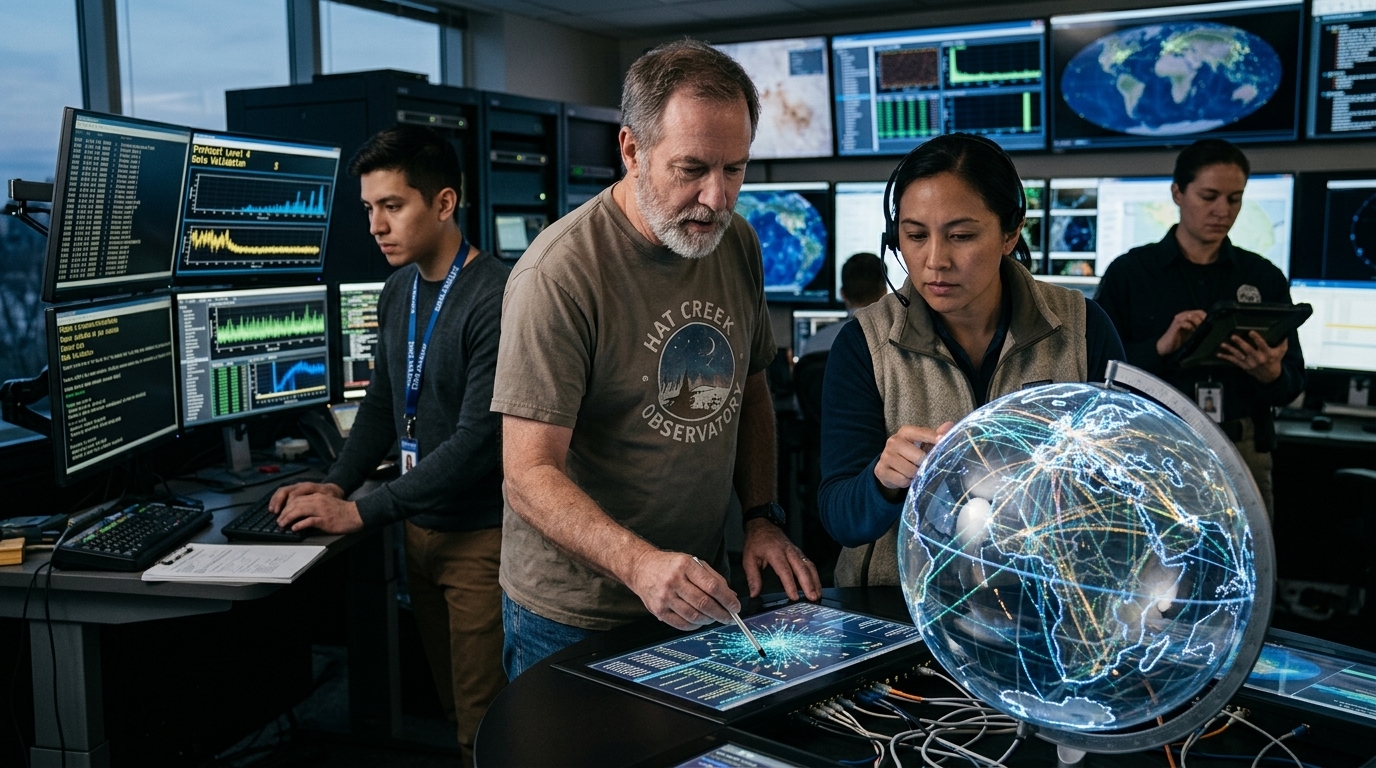
The major shift recorded this year is the transition from Copilot (an assistant that executes commands) to the Agent (a partner that takes initiative). AI agents in 2026 don't just wait for a prompt. They have the capability to monitor workflows, manage calendars, prepare project drafts, and interact with other agents to solve problems.
- Autonomy: Agents can execute complex processes without constant supervision.
- Collaboration: Work is now a tripartite relationship: human, team, and digital agent.
- Specialization: Specialized agents are emerging for legal, medical, and technical professions.
According to the report, organizations that have integrated these agents into their structures report 40% faster decision-making. However, the challenge remains: how is human judgment and ethical responsibility maintained when AI takes the initiative?
The Leadership Gap and the Fear of Replacement
Despite enthusiastic adoption by employees, leadership seems to be in a state of confusion. While 79% of leaders agree that AI adoption is essential for competitiveness, 60% worry that management lacks a clear vision for its implementation. This "strategy gap" creates insecurity. Employees fear replacement, yet they also state they would rather work for a company that trains them in AI than one that bans it.
"AI won't replace people, but people who use AI will replace people who don't," the report states poignantly.
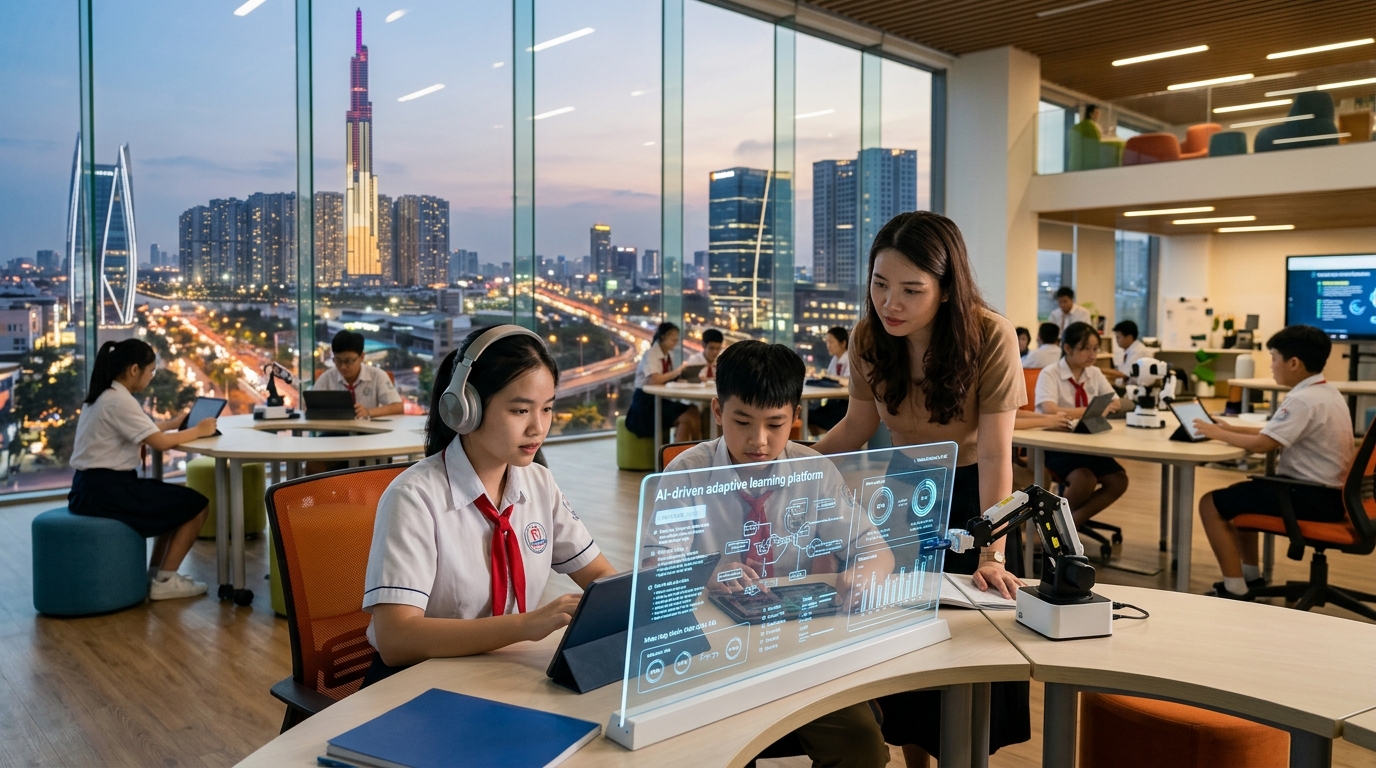
Microsoft emphasizes that 2026 is the year businesses must stop experimenting and start building an "AI-first" culture. This requires investment in reskilling and, crucially, creating an environment of psychological safety where technology enhances human creativity rather than stifling it.
Conclusions for the Future
The Work Trend Index 2026 shows us that work is transforming into something more fluid and dynamic. Success in this new landscape depends on the ability of executives to trust the technology while maintaining control over values and strategy. AI is no longer a productivity tool; it is a catalyst for redefining what it means to "work" in the 21st century.