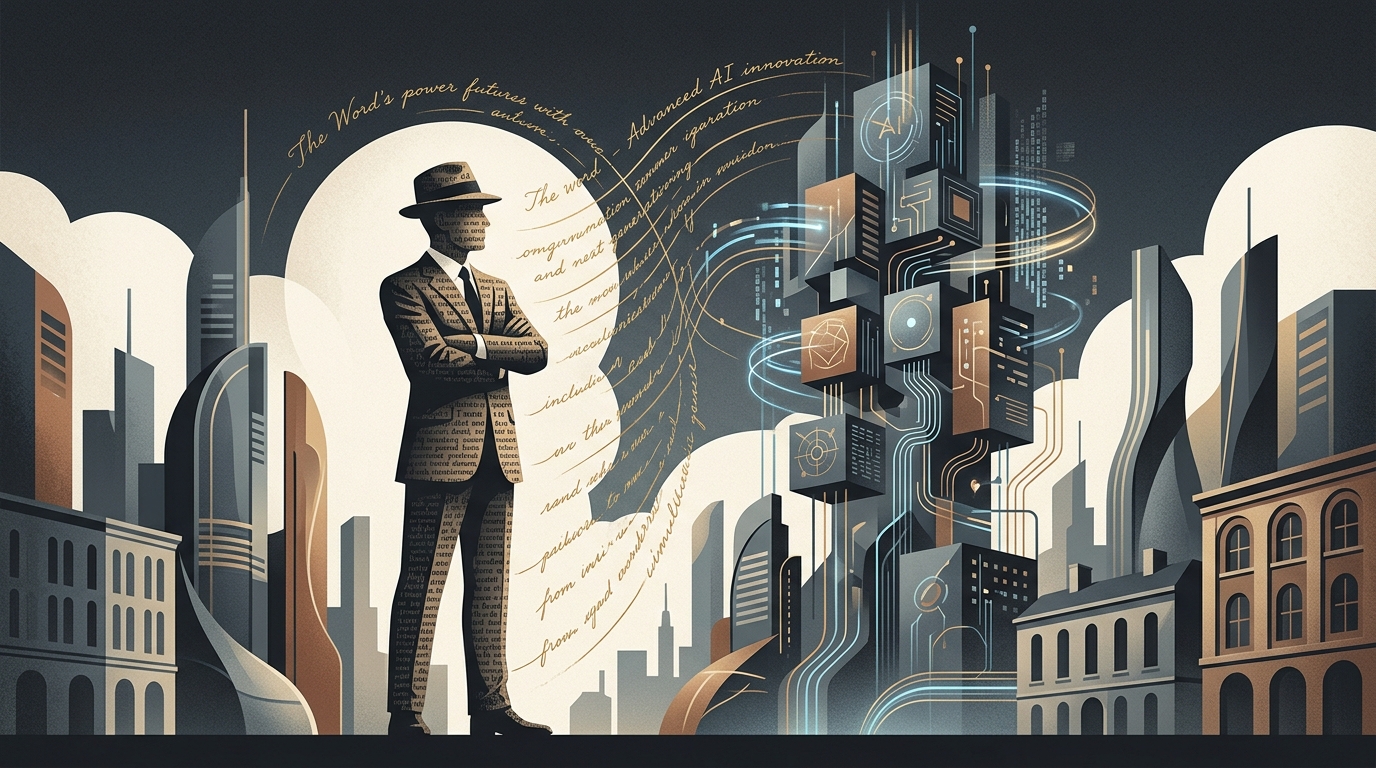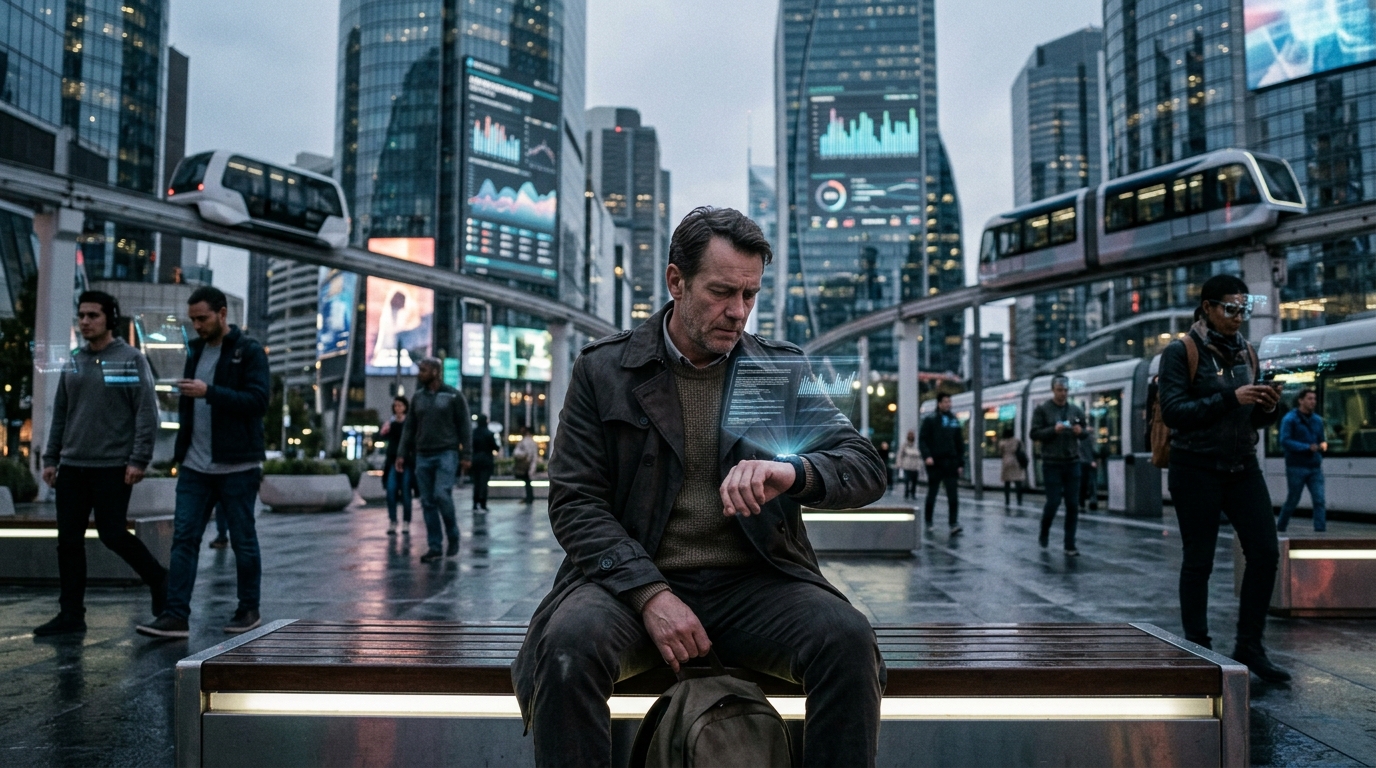
Only two years ago, financial headlines were dominated by terms like the "Great Resignation" and "Quiet Quitting." Employees, enjoying the luxury of a talent-hungry market, demanded "mini-retirements," digital nomadism, and a new work-life balance. Today, as we navigate 2026, the mood has shifted dramatically. The optimism of the post-pandemic era has been replaced by a chilling reality: the AI "job-apocalypse" and a universal uncertainty reshaping the social contract.
The Creative Destruction of the White-Collar Class
For decades, automation was perceived as a threat primarily to manual labor. However, the explosion of Generative AI has proven that no fortress is impregnable. From legal research and coding to graphic design and middle management, AI is not just replacing tasks; it is replacing entire roles. "Creative destruction," as described by Joseph Schumpeter, is now occurring at speeds that educational systems and state mechanisms are failing to match.
Corporations, under the weight of high interest rates and the necessity for peak efficiency, have moved from a "hire-everyone" phase to "algorithmic rationalization." Tech layoffs, which began as a corrective measure in 2023, have evolved into a permanent strategy of replacing human costs with computational power. The result is a two-tier labor market: an elite capable of wielding AI tools and a growing mass of workers in a constant state of reskilling.
From Autonomy to Precarity
The dream of the "mini-retirement"—the idea that one could pause their career to experience life—now seems like a distant memory of a low-interest-rate era. Today, labor precarity has returned with a vengeance. The "gig economy" no longer applies just to delivery drivers but to data scientists, translators, and business consultants. Work is becoming increasingly fragmented, with fixed-term contracts and micro-tasks replacing stable positions.
- The weakening of unions in new tech industries leaves workers vulnerable to algorithmic decision-making.
- Mental health is declining as the fear of obsolescence dominates younger generations.
- Geographic dependence is breaking, but this means a worker in London or Athens is now in direct competition with global labor costs and AI itself.
"We are not just in an economic downturn; we are in a structural shift of what 'work' means. Productivity is decoupling from human effort," market analysts note.
The Politics of Survival and the Road Ahead
As governments struggle to regulate AI, social pressure for solutions like Universal Basic Income (UBI) is mounting. However, political will seems to lag behind technological progress. In many developed economies, the challenge is twofold: addressing demographic decline while digitizing economies that still rely heavily on legacy structures.
The job-apocalypse does not necessarily mean the end of work, but the end of work as we knew it in the 20th century. Adaptability, critical thinking, and emotional intelligence remain—for now—the last bastions of human superiority. But for the average worker who saw their certainties crumble, this transition is anything but painless. Uncertainty is the new normal, and the "mini-retirement" has been replaced by constant vigilance.