In an era where public discourse on Artificial Intelligence (AI) is dominated by fears of displaced labor and 'empty' offices, Jeff Bezos offers a radically different perspective. The founder of Amazon and one of the primary architects of the modern digital economy argues that humanity is not heading toward an unemployment crisis, but toward a structural shortage of labor and brains that only technology can mitigate.
Reversing the Narrative: From Surplus Labor to Scarcity
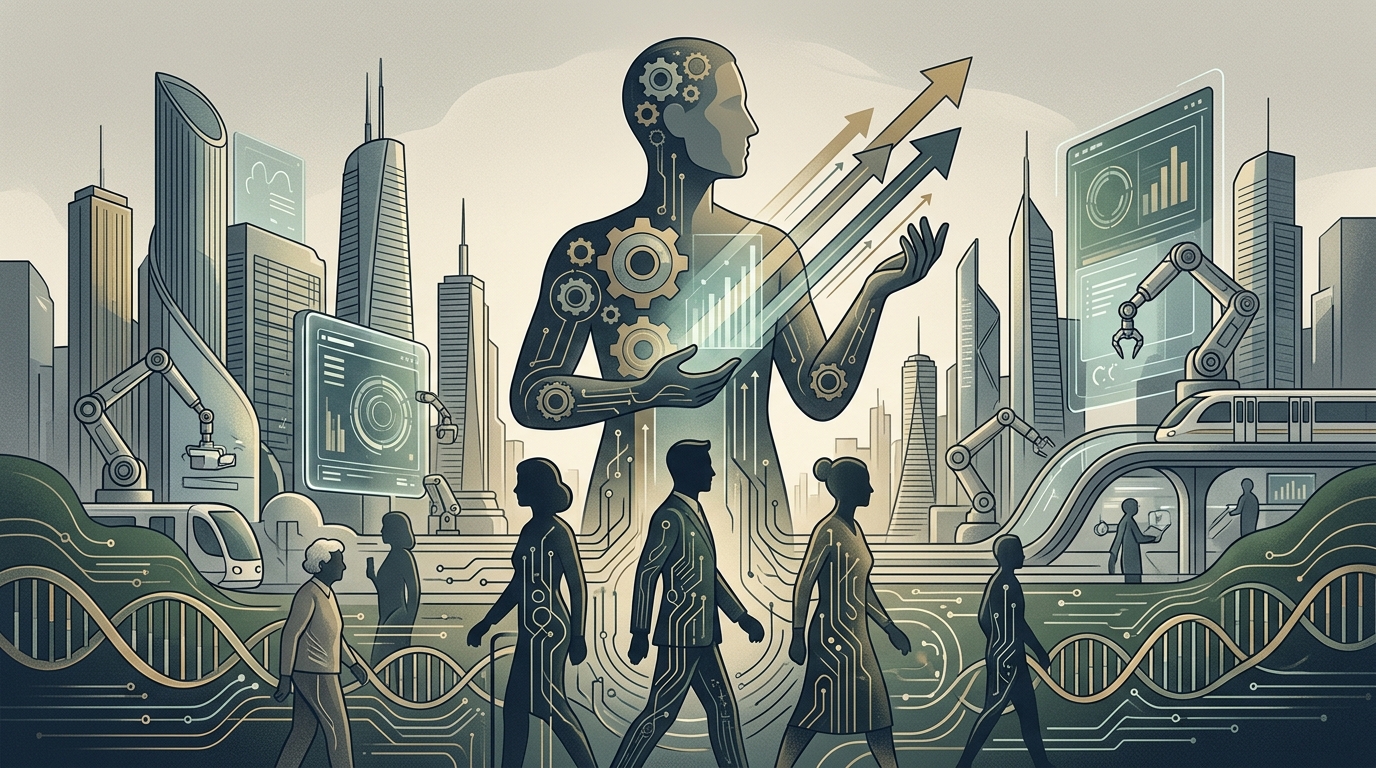
Bezos' central thesis is rooted in a harsh demographic reality: the global population, particularly in developed economies and China, is aging at an unprecedented rate. With fertility rates falling below replacement levels, the pool of available workers is shrinking. In this context, Artificial Intelligence does not function as a human replacement, but as a necessary power multiplier.
According to Bezos, the history of technology teaches us that increased efficiency does not lead to less work, but to more activity. He indirectly refers to the 'Jevons Paradox,' where improving the efficiency with which a resource is used eventually leads to an increase in its consumption. In the case of labor, AI will make the production of goods and services so cheap and accessible that demand for new, more complex products will skyrocket, requiring even more humans for the design, supervision, and personalization of these services.
The Amazon Example and the Robotics Revolution
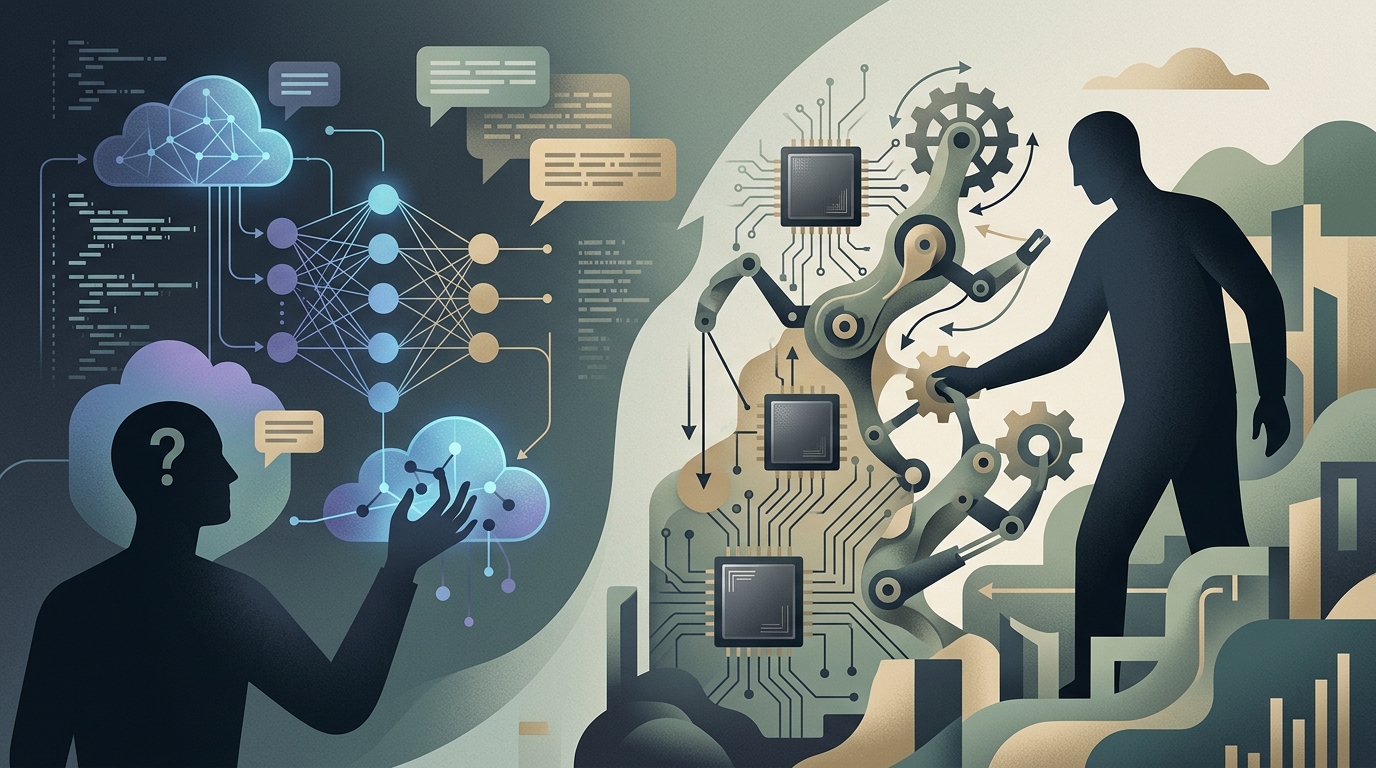
It is no coincidence that Amazon, under Bezos' leadership, has been a pioneer in integrating robots into its warehouses. Despite installing hundreds of thousands of units like 'Proteus,' the company continues to hire hundreds of thousands of employees worldwide. This strategy demonstrates that automation takes over repetitive and physically taxing tasks, allowing humans to move into roles that require judgment, empathy, and complex problem-solving.
Bezos argues that AI will act as a 'copilot' in every professional field. From medicine, where diagnoses will be made faster, to teaching, technology will relieve professionals of bureaucratic burdens. This will allow a shrinking workforce to maintain the standard of living of a society that has more retirees and fewer productive citizens than ever before.
Challenges and the Need for Reskilling
However, Bezos' optimism does not overlook the difficulties of the transition. The 'labor shortage' he speaks of does not refer to unskilled personnel, but to workers who can collaborate with AI. The challenge for states and businesses is the speed at which the educational system can adapt. The gap between the skills the market requires and those the workforce possesses is the real 'void' that must be bridged.
In conclusion, Bezos' perspective invites us to see AI not as a threat to be contained, but as the only tool that can prevent economic stagnation in a world running out of people. The conversation shifts from 'how to protect jobs' to 'how to train enough people to manage the wealth of possibilities opening up before us.'