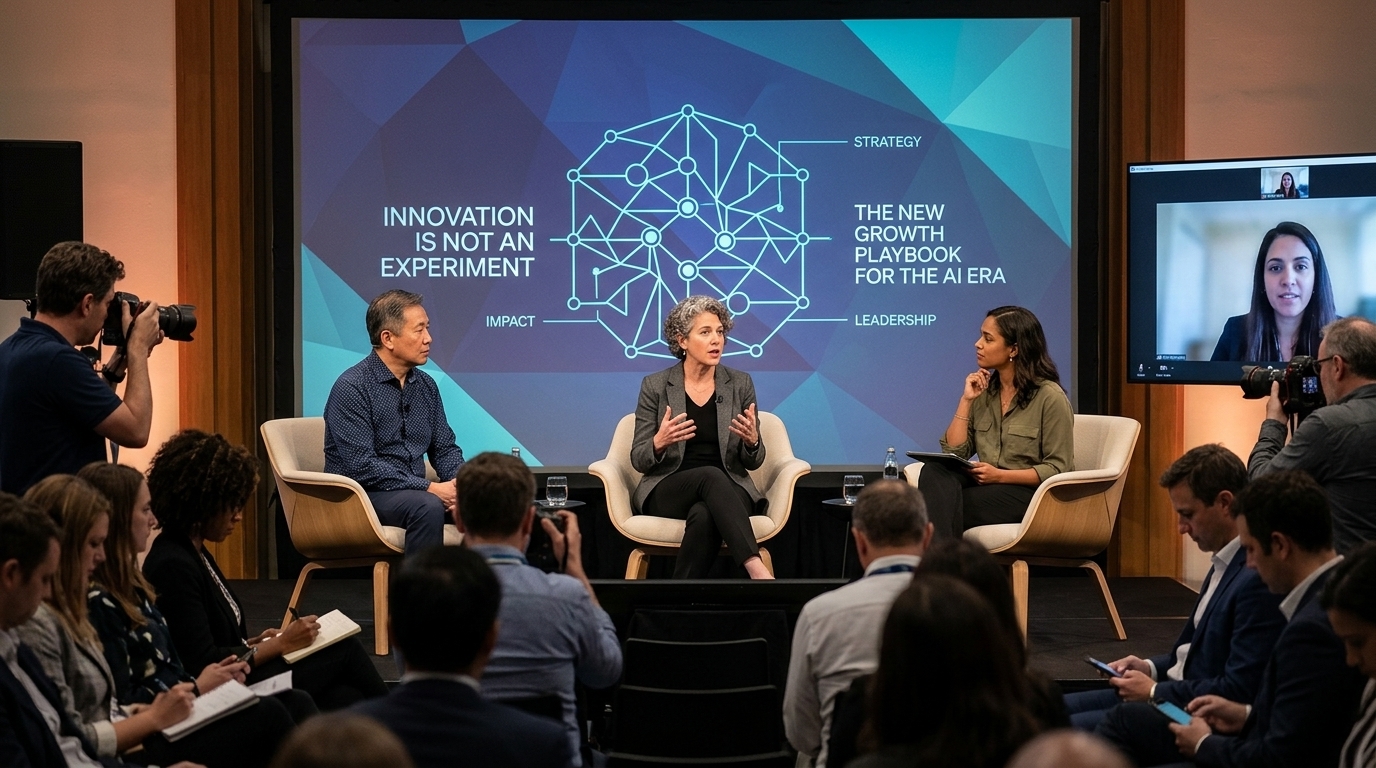
The era of pilot programs and "closed" laboratory tests for Artificial Intelligence (AI) is officially over. As we navigate the first half of 2026, the business community in Greece and Europe faces a new reality: innovation is no longer a luxury choice or a PR experiment, but the central pillar of survival and growth. At the recent event hosted by Fortune Greece Network and Accenture Greece during Panathēnea 2026, it became clear that the "new growth playbook" demands speed, capital, and, above all, a radical rethink of what corporate transformation entails.
From Proof of Concept to Industrial Scale
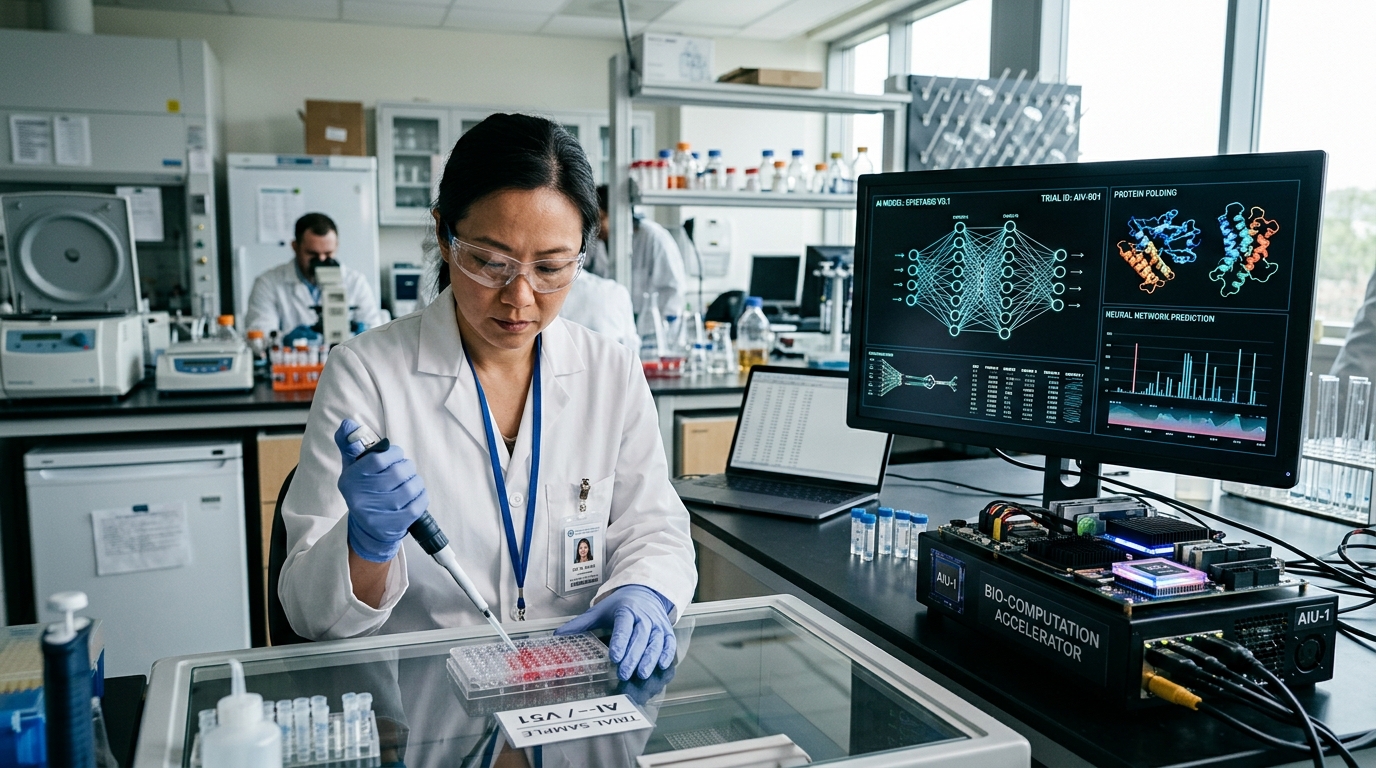
For years, companies were content to showcase small-scale applications (Proof of Concept) to reassure shareholders that they were "keeping up with developments." Today, this approach is considered obsolete. The conversation has shifted from "what AI can do" to "how AI will generate measurable ROI (Return on Investment) across the entire value chain." Accenture Greece, through its analysis, highlighted that the companies leading the way are those that have integrated Generative AI (GenAI) into the core of their operations—from customer service to supply chain management.
This transition is not just technological; it is structural. It requires building a "digital core" that is flexible and scalable. As emphasized at the summit, innovation no longer happens in silos. Instead, it requires collaboration across different departments, from IT to Marketing and HR, to create solutions that are not just "smart" but functional and profitable.
The European Competitiveness Challenge
One of the most critical issues raised at Panathēnea 2026 is Europe's position on the global innovation map. While the US leads in infrastructure and model development and China in application and surveillance, Europe struggles to find the balance between regulation and growth. The "European AI Act" provides a safety framework, but many investors fear that excessive bureaucracy could stifle creativity.
Speakers pointed out that Greece, despite its small size, has the opportunity to act as an innovation hub in the Southeastern European region. With the right investments in data centers and by leveraging its high-level human capital, the country can attract foreign capital seeking stability and talent. However, competitiveness also requires political will to reduce barriers to entrepreneurship and strengthen public-private partnerships.
Investment Dynamics and the New VC Landscape
The investment landscape has changed radically. The days of "easy money" for any startup mentioning "AI" in its pitch deck are over. Venture Capitalists (VCs) are now much more selective, looking for sustainable business models and true technological superiority. During the discussions, it was noted that 2026 is the year of market "consolidation."
- Focus on Profitability: Startups must prove that their solution directly reduces costs or increases revenue.
- Ethics and Governance: Investors now seriously consider ESG and Responsible AI before deploying capital.
- Strategic Partnerships: The trend for Mergers and Acquisitions (M&A) is strengthening as large corporations seek to acquire ready-made technology rather than developing it internally.
Innovation, therefore, is no longer an isolated event but a continuous process of adaptation. The companies that will survive are those that realize AI is not a tool, but a new way of thinking, investing, and growing in a world that never stops changing.
"Artificial intelligence will not replace companies, but companies that use artificial intelligence will replace those that do not."
In conclusion, the new growth playbook for 2026 is written in code but built on human judgment and strategic foresight. Innovation has ceased to be an experiment and has become the new normal.