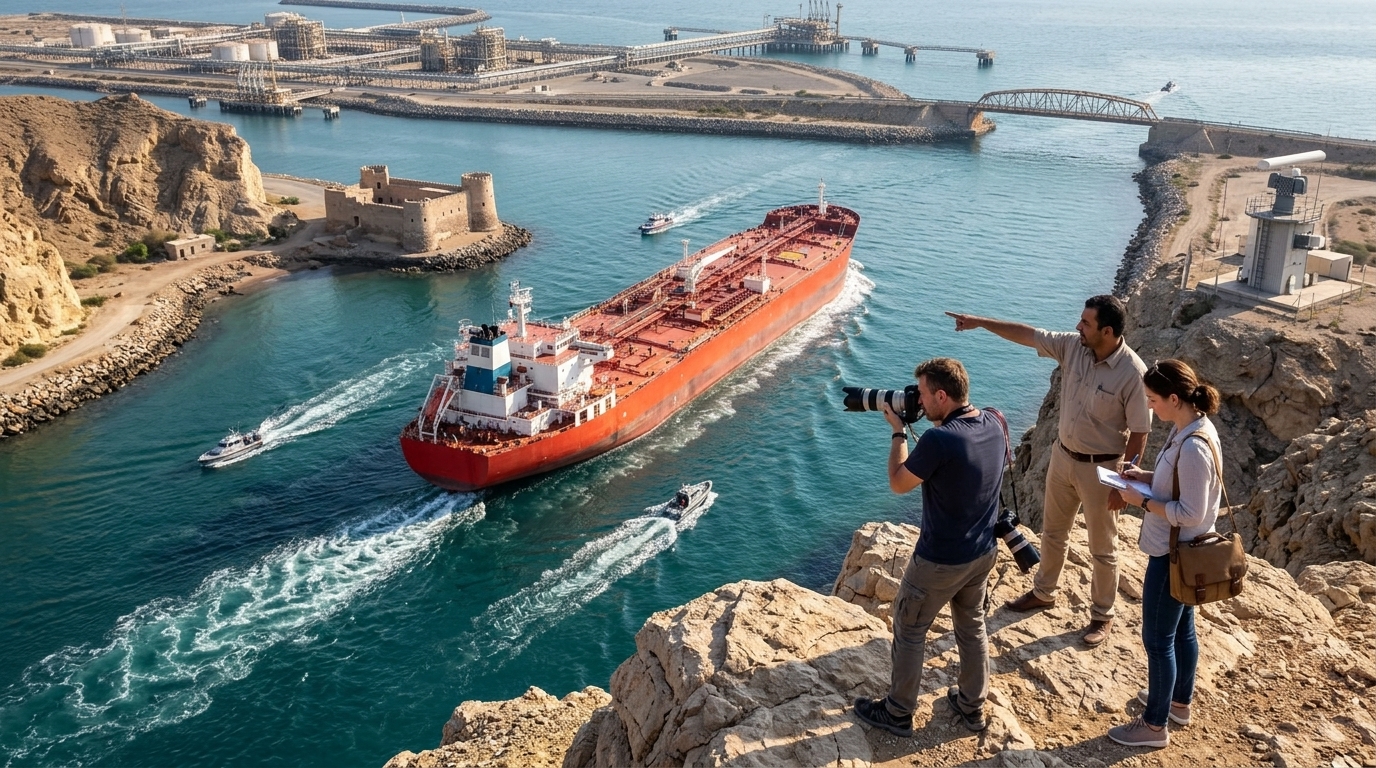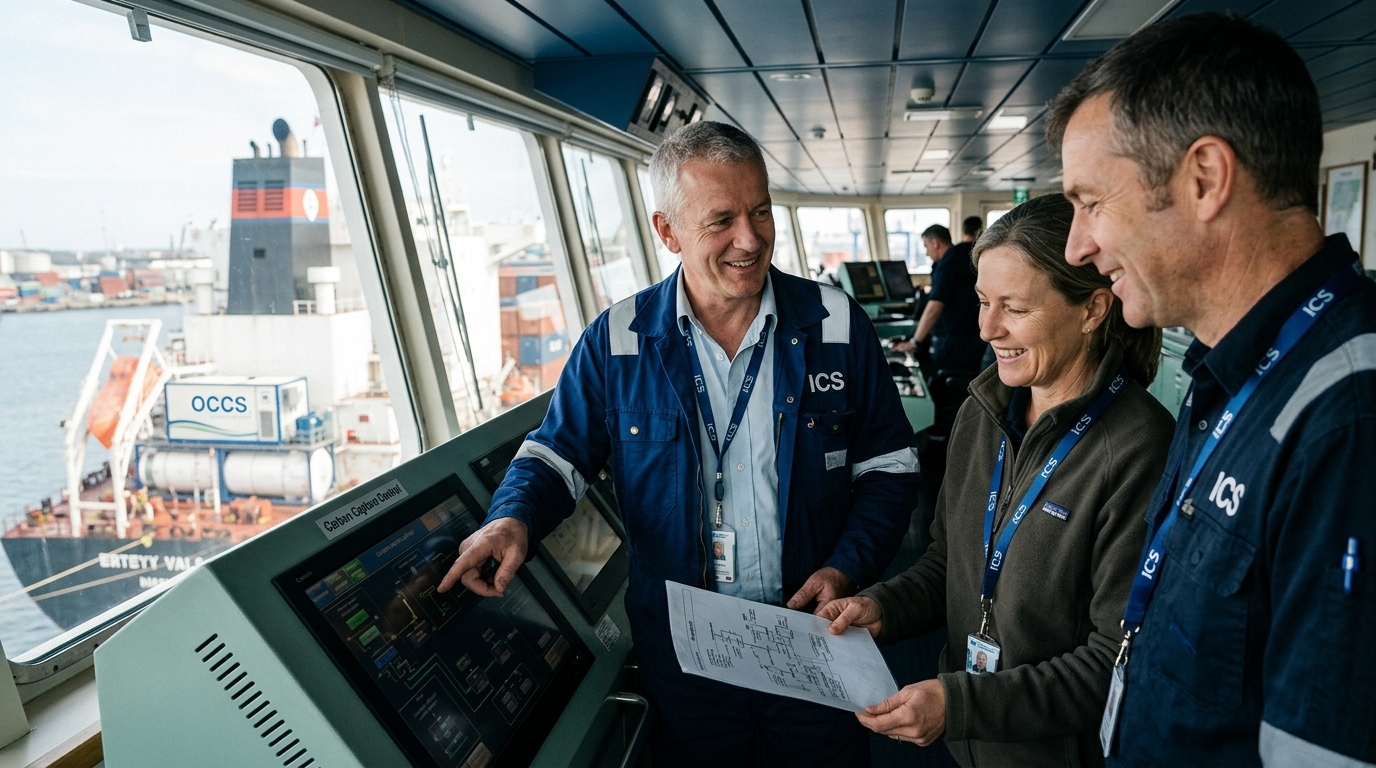
Global shipping stands at a critical crossroads. As pressure to meet the International Maritime Organization's (IMO) targets for net-zero emissions by 2050 intensifies, the industry is searching for solutions that are both technologically feasible and economically viable. In this context, a recent report by the International Chamber of Shipping (ICS) highlights a technology previously considered secondary: Onboard Carbon Capture and Storage (OCCS). Carbon capture is no longer a theoretical scenario but an emerging reality that promises to extend the lifespan of the existing fleet while significantly reducing its environmental footprint.
Technological Maturity and the Need for Transition
OCCS technology involves capturing carbon dioxide (CO2) from a ship's exhaust gases before they are released into the atmosphere. The captured CO2 is then liquefied and stored in specialized onboard tanks until it can be discharged at suitable port facilities for permanent storage or industrial use. According to the ICS, this technology is gaining ground because it allows vessels to continue using conventional fuels—which are abundant and have established supply chains—while complying with increasingly stringent emission regulations.
One of the primary advantages of OCCS is the potential for retrofitting existing ships. Given that the average lifespan of a vessel is 20-25 years, replacing the entire global fleet with ships powered by green ammonia or hydrogen is a process that will take decades. Carbon capture offers an immediate solution for emission reduction without the need for a radical redesign of propulsion systems, serving as a necessary "bridge" to the era of zero-carbon fuels.
Infrastructure Challenges and the Energy Penalty
Despite the optimism, the widespread adoption of OCCS faces significant hurdles. The first and most critical is the lack of port infrastructure. For the system to function, ports must have reception facilities for the captured CO2, as well as transport networks to sequestration sites. Without a global carbon management supply chain, OCCS technology will remain limited to specific routes and closed-loop systems.
Additionally, there is the issue of the "energy penalty." The process of capturing and liquefying CO2 requires a substantial amount of energy, which is derived from the ship's own engine. This means a vessel equipped with OCCS will consume more fuel to cover the same distance, affecting its overall efficiency. However, technology proponents argue that advancements in chemical solvents and heat recovery systems will reduce this penalty in the coming years, making the process more attractive to shipowners.
The Role of Greek Shipping and International Policy
Greece, as the world's leading maritime power, is closely monitoring these developments. Greek shipowners, known for their pragmatism, view carbon capture as a strategic option that allows for the continued competitiveness of their fleet. Already, major Greek shipping groups are participating in pilot programs and collaborating with technology manufacturers to test OCCS systems on tankers and bulk carriers.
Internationally, the debate at the IMO focuses on how carbon capture will be accounted for in Carbon Intensity Indicators (CII). If regulations officially recognize OCCS as a valid means of emission reduction, demand for such systems is expected to skyrocket. The European Union, through the Emissions Trading System (EU ETS) and the FuelEU Maritime regulation, is already creating economic incentives: the cost of CO2 emission allowances makes investing in capture technologies economically rational, as avoiding fines and taxes can cover installation costs within a few years.
Conclusion: A Multi-Dimensional Approach
The ICS report concludes that there is no single "silver bullet" for decarbonization. Onboard carbon capture represents one of many tools in shipping's arsenal. While green fuels remain the ultimate goal, OCCS offers a realistic path for controlling emissions in the present. Its success will depend on collaboration between shipowners, ports, and regulators to create a comprehensive carbon management ecosystem. Shipping cannot afford to wait for the "perfect" fuel of the future; it must act with the tools available today, and carbon capture appears to be one of the most promising.