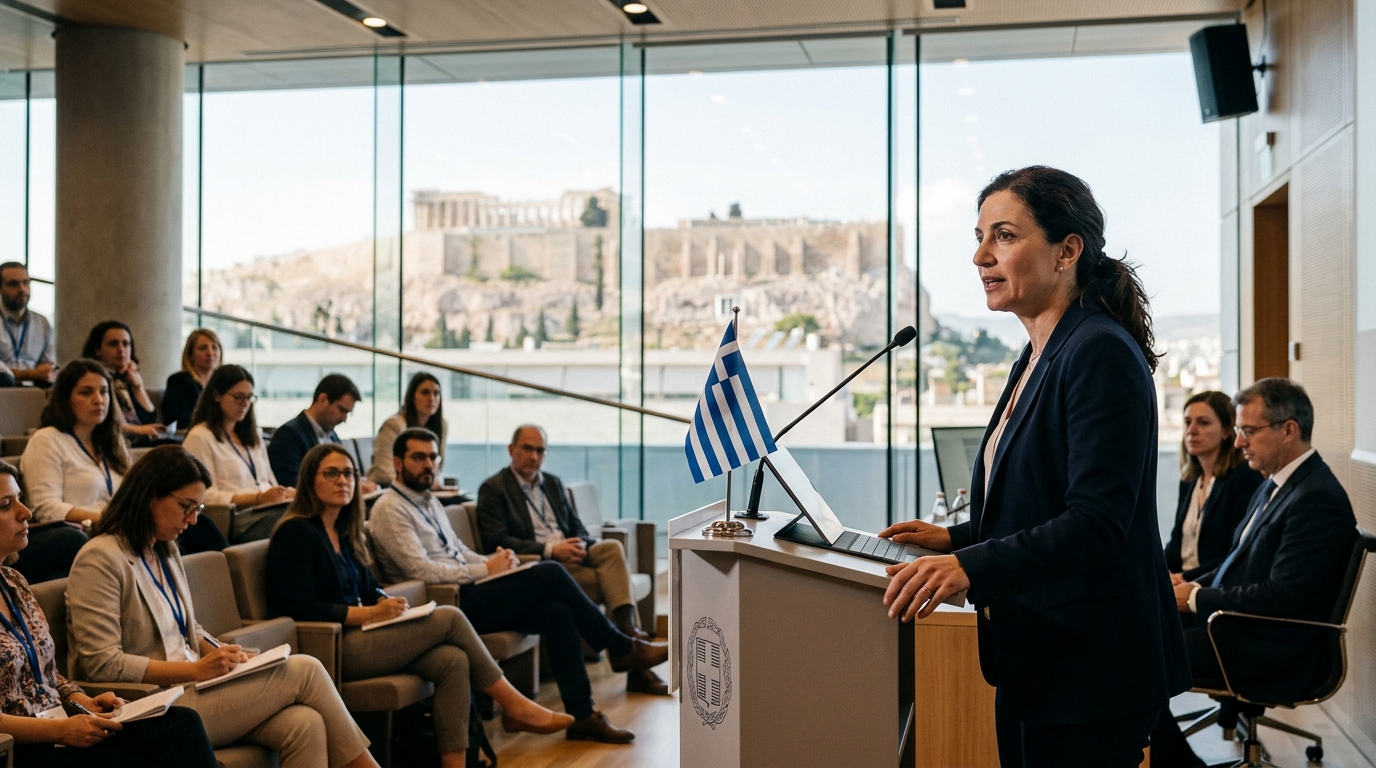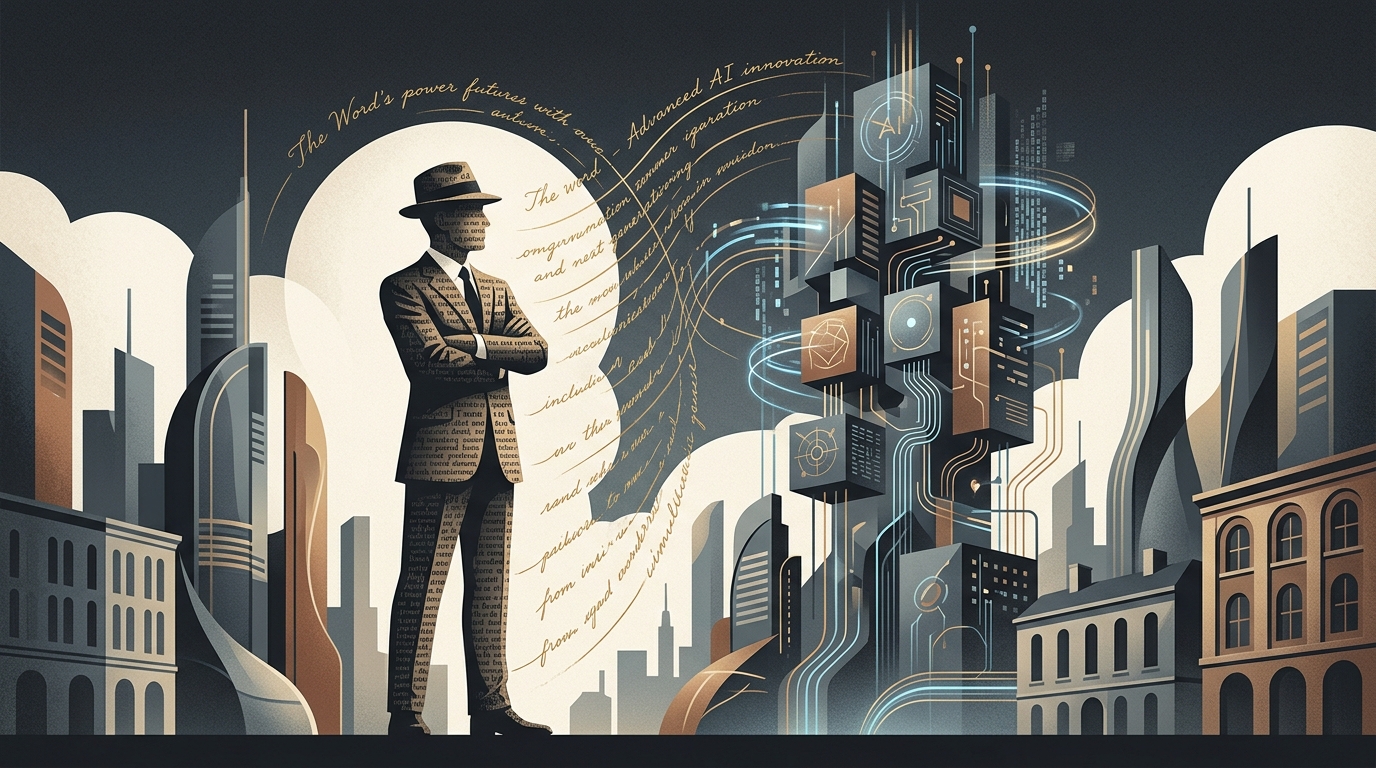
The age of innocence and fragmented experimentation with Artificial Intelligence has come to an end. At the IBM Think 2026 conference, the central message is clear: enterprises can no longer settle for "pilots" operating in silos. In collaboration with consulting giant Bain & Company, IBM introduced a holistic framework for transforming companies into "AI-Native" organizations, where AI is not just a tool, but the operating system of the business itself.
The Industrialization of Artificial Intelligence
Over the past three years, most organizations have been consumed with trying to understand what Generative AI (GenAI) can do. We have seen thousands of internal-use chatbots and small-scale automations. However, as IBM and Bain executives pointed out, 70% of these efforts failed to deliver significant financial value because they were not integrated into a broader business model. 2026 marks the shift toward the "industrialization" of AI. This means creating stable, scalable, and secure workflows that run through every department, from human resources to the supply chain.
Bain & Company presented data showing that companies that have adopted a full AI operating model see a 25% increase in profitability compared to competitors remaining in the pilot phase. The difference lies in structural reorganization: traditional hierarchies are giving way to agile teams supported by "AI Agents."
From Chatbots to Autonomous Agents
One of the most significant announcements at Think 2026 is the maturation of AI Agents. Unlike simple large language models that answer questions, these agents have the ability to perform complex tasks autonomously. For example, an agent in the finance department won't just report a budget variance; it will investigate the cause, communicate with the involved suppliers, and propose corrective actions, waiting only for final approval from a human.
- Autonomy with Governance: IBM's Watsonx platform now provides the "trust framework" that allows these agents to act without the risk of uncontrolled errors.
- Interoperability: The partnership with Bain ensures that these digital agents are aligned with strategic business goals, not just technical parameters.
- Democratization of Development: With low-code tools, department managers can now design their own agents without requiring an army of developers.
The Human Dimension and Reskilling
Despite the technological prowess, IBM and Bain dedicated a large portion of the presentation to the human factor. Transitioning to a new operating model requires what they call "Human-Centric AI." Concerns about job displacement remain high, but IBM's approach focuses on "augmentation" rather than replacement. Bain argues that in 2026, the biggest challenge is not technology, but culture. Employees must learn to collaborate with AI as an equal partner.
"AI will not replace managers, but managers who use AI will replace those who do not," was a key takeaway from one of the panels.
Conclusion: The New Normal
IBM Think 2026 made it clear that the period of excuses is over. Organizations that fail to integrate AI into the DNA of their operating model within the next 18 months risk complete obsolescence. The IBM-Bain partnership provides the roadmap, but the responsibility for implementation now lies with corporate leadership, who are called upon to make bold decisions for the radical transformation of their businesses.