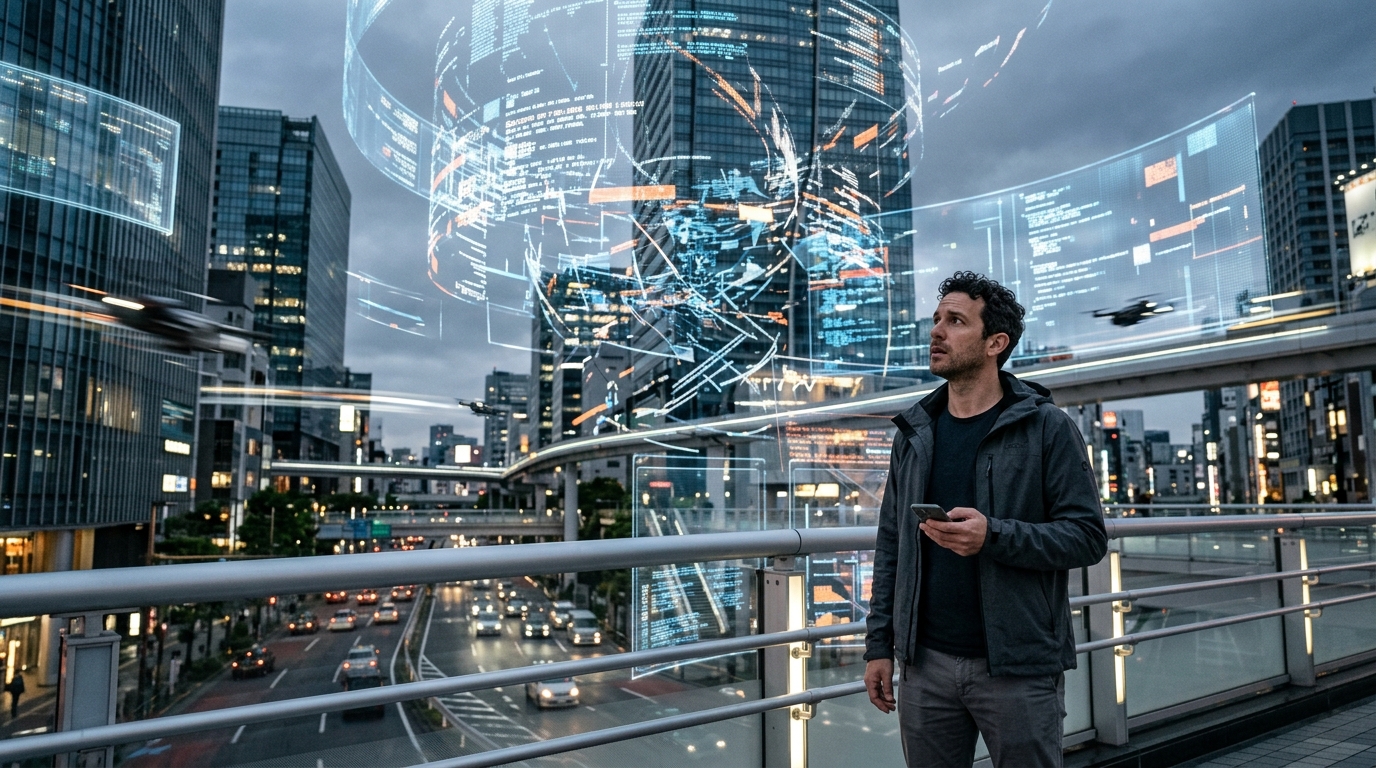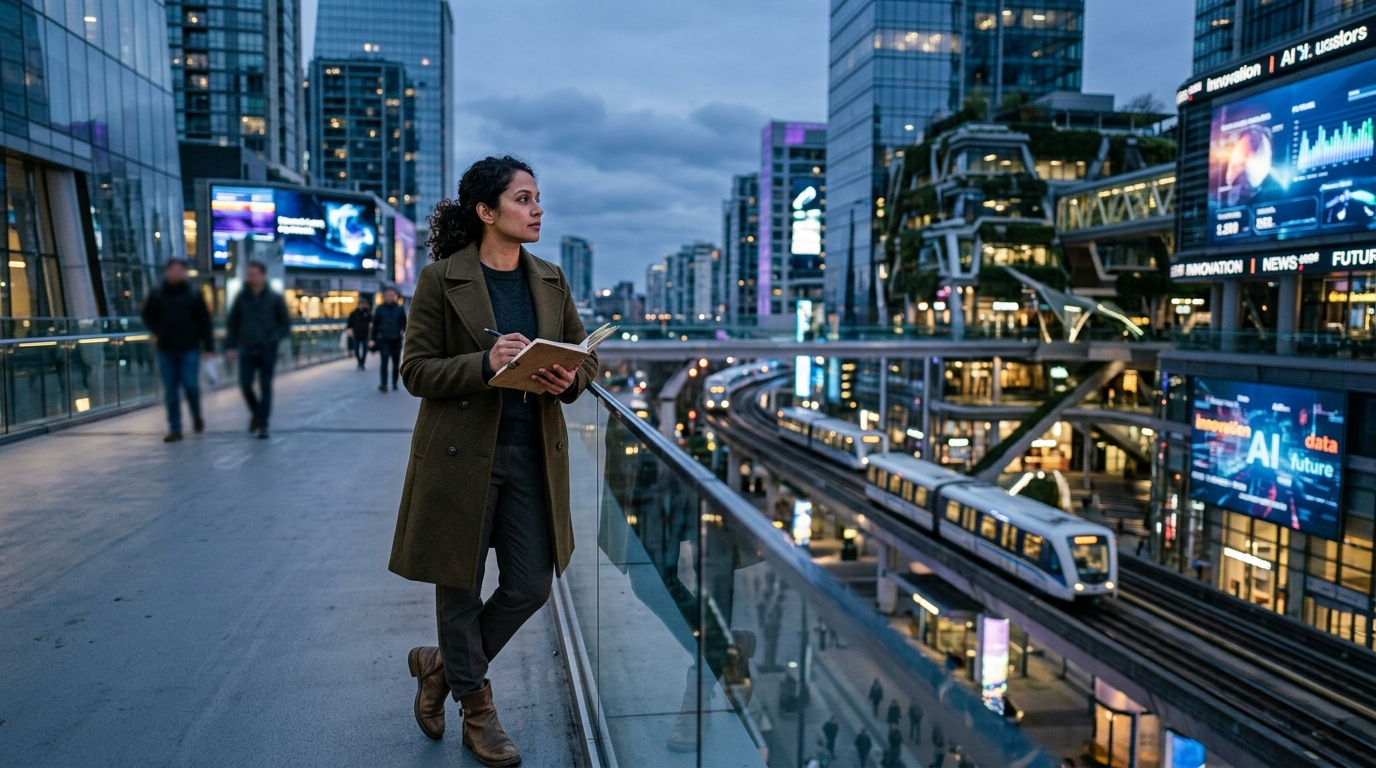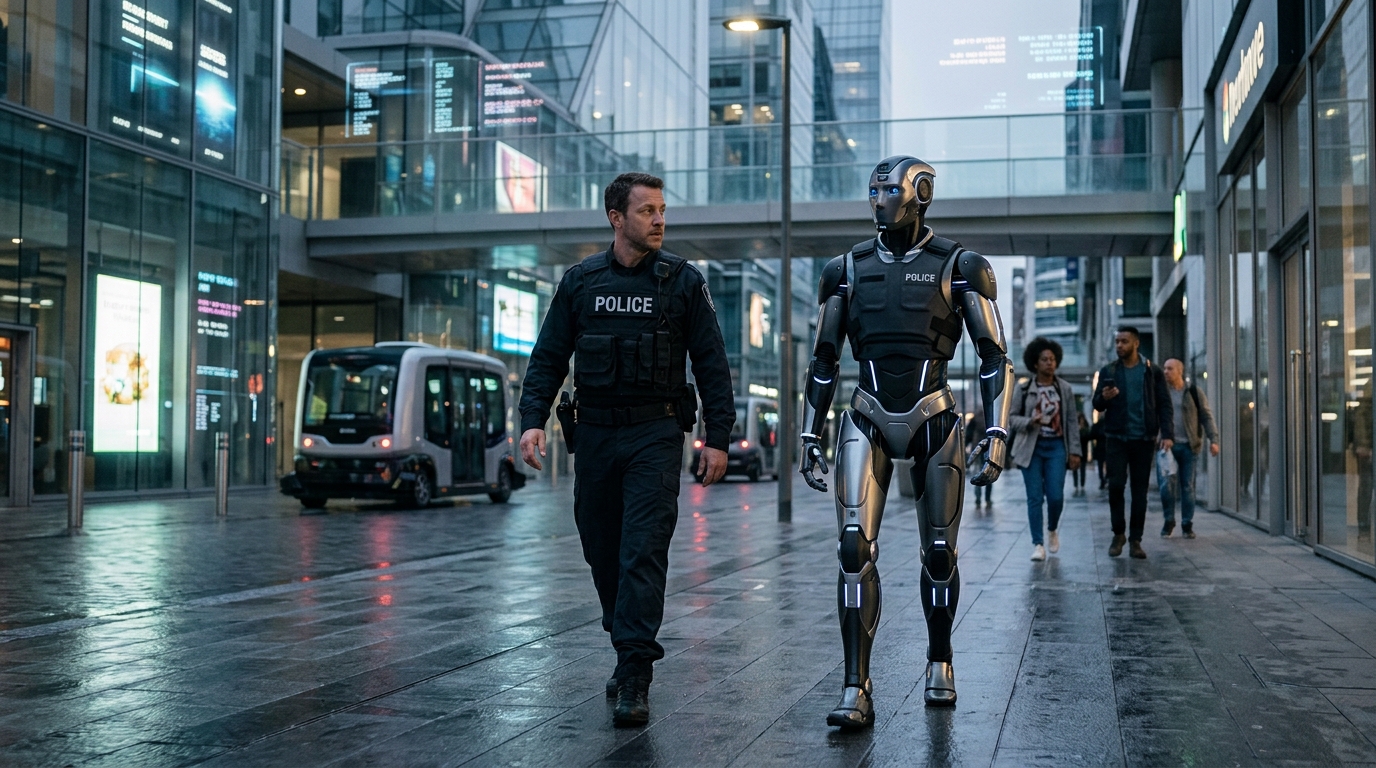
The image of a metallic officer patrolling the streets of modern metropolises, once confined to the pages of Isaac Asimov’s novels or the scenes of RoboCop, is rapidly transforming into an operational reality. As we move through the first half of 2026, technological breakthroughs in artificial intelligence and biomechanics have reached a tipping point where humanoid robots are no longer clunky laboratory prototypes, but versatile machines capable of performing complex tasks in urban environments.
The Shift from Teleoperation to Autonomy
The use of robotic systems in policing is not new. For decades, Explosive Ordnance Disposal (EOD) teams have used treaded robots to approach dangerous objects. However, the new generation of humanoids, such as those developed by Boston Dynamics, Figure AI, and Tesla, offers something radically different: the ability to navigate spaces designed for humans. The capability to climb stairs, open doors, and move across uneven terrain with human-like balance allows them to operate where wheeled robots fail.
According to recent operational analyses, the primary advantage of humanoids lies in "risk displacement." In active shooter situations, hostage crises, or chemical leaks, a humanoid can enter the "red zone" without fear of losing human life. The integration of advanced LiDAR sensors and thermal cameras allows these systems to see through smoke or in total darkness, providing critical real-time intelligence to human commanders.
The Accountability Gap and the 'Iron Fist'
Despite the tactical benefits, the prospect of armed or even merely surveillance-oriented humanoids triggers intense backlash from civil rights organizations. The central question remains: who bears responsibility when a machine makes a mistake? If a humanoid robot misjudges a threat and employs force, legal liability becomes diffused between the manufacturer, the programmer, and the police department.
"Policing is built on judgment, empathy, and an understanding of social context—elements that no line of code can fully replicate as of yet," legal analysts state.
There is also the fear of the "dehumanization" of law enforcement. A police officer's physical presence often acts as a deterrent through communication and body language. An impersonal, metallic entity might unintentionally escalate tension in an already charged situation, causing panic or aggression among citizens. Transparency in decision-making algorithms is essential to avoid biases previously observed in facial recognition systems.
Economic Costs and Social License
Adopting such systems involves colossal investments. It is not just the purchase cost of each unit, but also continuous maintenance, cybersecurity (to prevent hacking of the robots), and personnel training. Proponents argue that in the long run, the reduction in officer injury compensation and increased efficiency will offset the costs. However, critics point out that these resources could be directed toward social services and mental health, addressing the root causes of crime.
- Development of protocols for the use of non-lethal force by robots.
- Establishment of national and international standards for autonomous patrolling.
- Creation of "black box" decision logs for every robotic unit.
- Public consultations on the limits of surveillance in public spaces.
The future of policing sits on a delicate balance. While technology offers the tools for a safer society, the challenge for 2026 and beyond will be to ensure that machines remain in service to humanity, without sacrificing the fundamental freedoms that the police are sworn to protect.