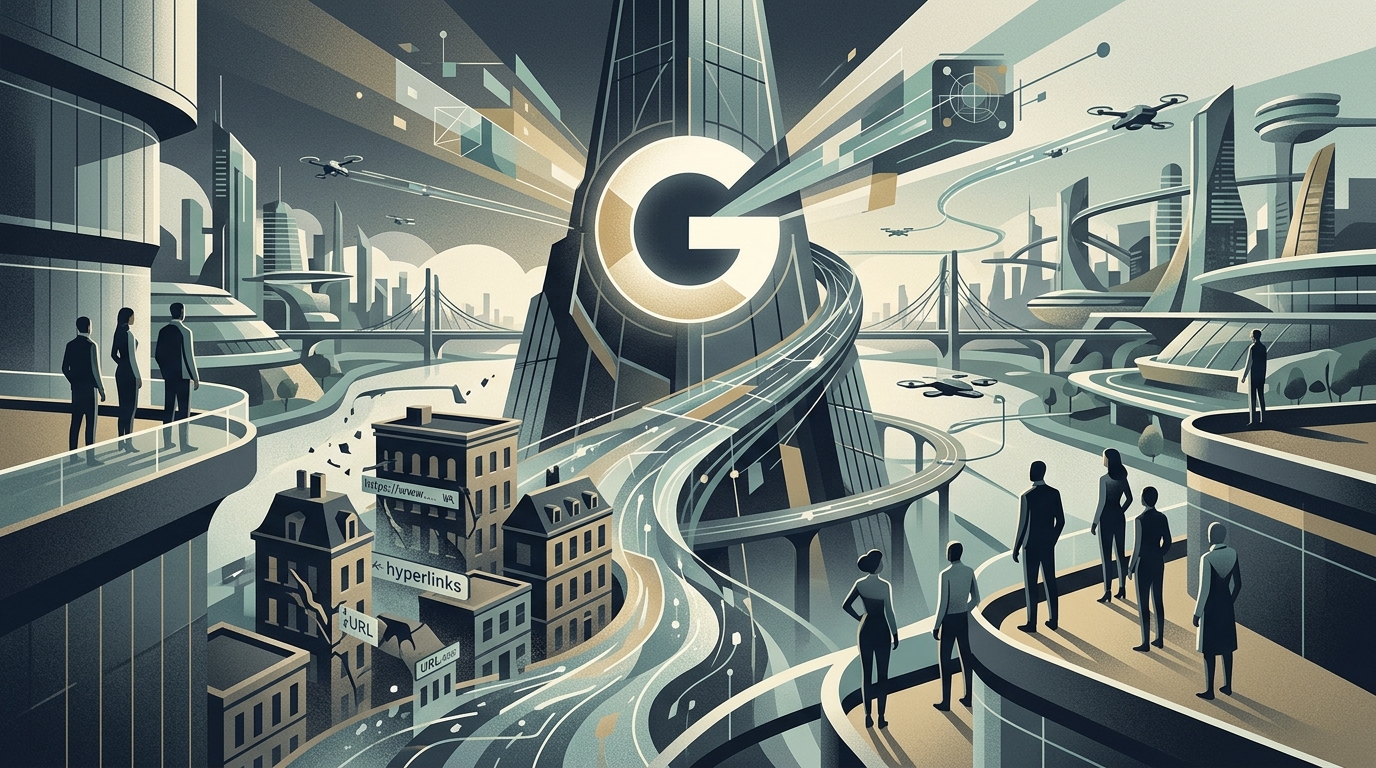
The annual developer gathering in Mountain View, Google I/O 2026, was more than just a product showcase; it was a declaration of dominance in an era where Alphabet feels the intense pressure of competition from OpenAI and Apple. Under the slogan "AI for Every Action," Google sought to prove that the era of simple Generative AI is over, giving way to the age of "AI Agents"—systems that don't just answer questions but execute complex tasks in the real world.
This year's event found Google at a critical juncture. After two years of defensive positioning, trying to weave Gemini into its existing services, the company has pivoted to a full-scale offensive. The announcements at the Shoreline Amphitheatre outline a clear roadmap: artificial intelligence is no longer an add-on feature but the very fabric upon which the future of computing is woven.
1. Gemini 3.0: From Knowledge to Action
The star of the show was undoubtedly Gemini 3.0. Google's new model isn't just distinguished by its massive raw power or its context window, which now reaches 10 million tokens, but by its ability to act autonomously. Google introduced "Project Odyssey," an initiative that allows Gemini to interact with any third-party application, performing tasks like booking an entire multi-leg trip, managing bank transfers, or editing video via voice commands.
What sets Gemini 3.0 apart is its "persistent memory." The AI now remembers preferences and past interactions over months, creating a truly personalized digital twin of the user. While Google claims privacy is ensured via on-device processing, analysts remain skeptical about how this data will be leveraged for ad targeting in the next generation of the web.
2. Android 17: The First Neural OS
Android 17 was announced as the first operating system built from the ground up around neural processing units (NPUs). The traditional concept of the "app" is beginning to fade. In Android 17, users no longer need to open distinct icons to get things done. Instead, the OS utilizes a "Universal UI" dynamically generated by AI based on the context of the moment.
For instance, if you ask your phone to "organize dinner with the team," Android 17 will pull data from your calendar, find available restaurants via Maps, send invites via WhatsApp, and book the table via OpenTable, all within a single Gemini-powered interface. This represents a radical shift in how we perceive smartphone usage, transforming them from tools into proactive personal assistants.
3. Search Without Links: The End of Traditional SEO?
Perhaps the most controversial announcement concerned Search Generative Experience (SGE) 2.0. Google announced that 80% of searches will now be answered directly by AI, without the user needing to click through to external websites. What Google calls the "Zero-Click Future" poses an existential threat to content publishers and journalists.
Although the company promised a new "AI Citations" system to attribute credit and (theoretically) revenue to sources, anxiety within the media industry is widespread. Google is transforming from the "traffic cop" of information to the "owner" of information, a move expected to trigger a new wave of antitrust scrutiny in both Europe and the United States.
4. Custom Silicon: The TPU v7 Dominance
On the infrastructure front, Google unveiled the TPU v7 (Tensor Processing Unit), the most powerful AI chip it has ever produced. With a focus on energy efficiency, the TPU v7 promises to reduce model training costs by 40%, allowing Google to offer advanced AI services at more competitive prices than its rivals.
This move highlights that the AI battle is being fought not just in algorithms, but in hardware. Google's drive for independence from Nvidia is a strategic goal that appears to be succeeding, giving Alphabet a massive advantage in the profit margins of its cloud services.
5. Ethics and SynthID: Shielding Against Deepfakes
Finally, in a year of critical global elections, Google announced the universal implementation of SynthID. This invisible digital watermarking technology will be embedded in every text, image, video, or audio file generated by its models. Google committed to collaborating with other tech giants to make SynthID the global standard for identifying AI-generated content, attempting to soothe fears regarding misinformation.
In conclusion, Google I/O 2026 showed us a company no longer afraid to "break" its own successful models (like Search) to lead the next revolution. The remaining question is whether users and regulators are ready for a world where Google is not just a search engine, but the invisible manager of our digital existence.