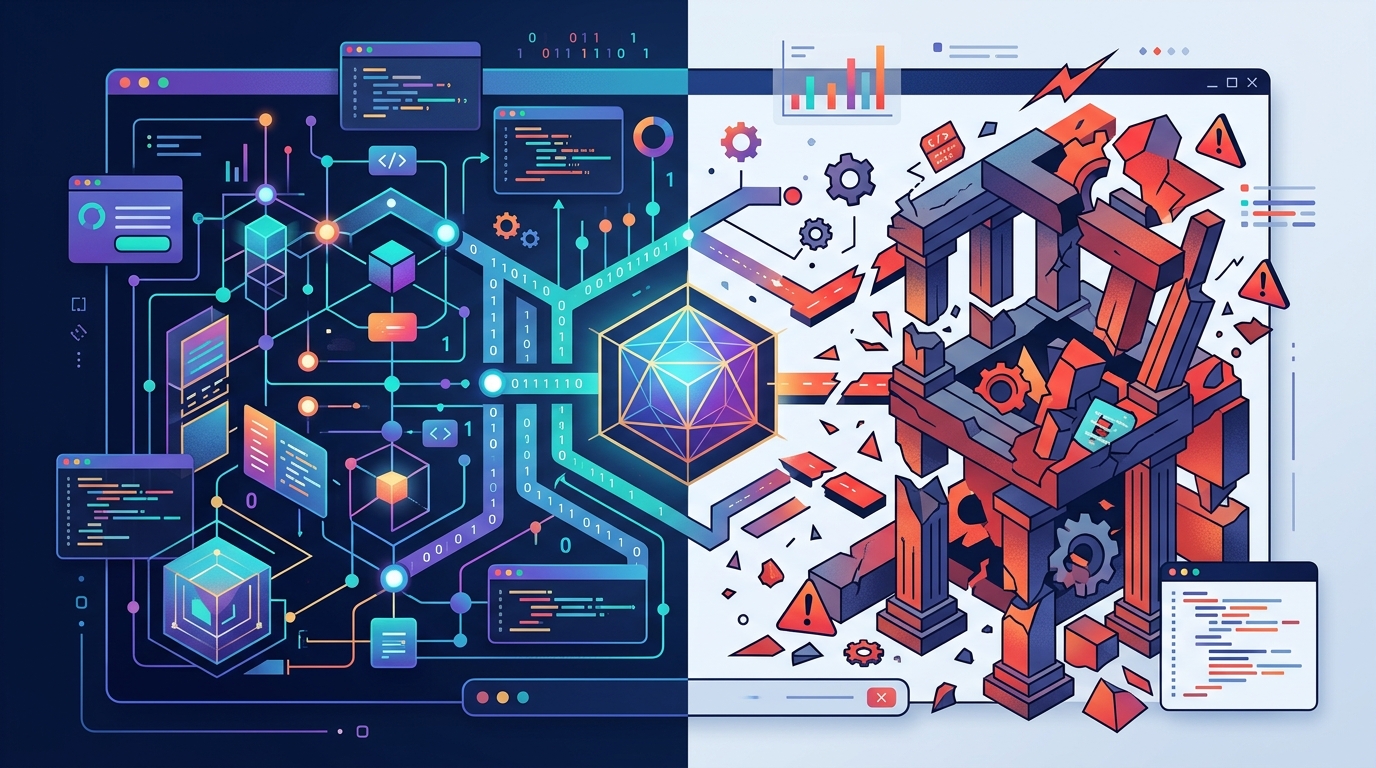
As we move into the second half of 2026, the traditional image of eLearning as a series of static videos and multiple-choice quizzes is firmly a thing of the past. The advent of Artificial Intelligence (AI) has not merely added new tools to the educator's toolkit; it has redefined the fundamental structure of knowledge transfer. Today, Educational Technology (EdTech) is no longer about access to information—which is now ubiquitous—but about the organization and assimilation of it in ways that were unthinkable five years ago.
The Era of Hyper-Personalization
The most significant shift AI brings to eLearning is the capacity for "hyper-personalization." Modern Learning Management Systems (LMS) now employ machine learning algorithms to analyze student behavior in real-time. They don't just track whether an answer is right or wrong, but the time spent on each module, the points where a user hesitated, and the learning style that seems to yield the best results (visual, auditory, or kinesthetic).
This approach enables the creation of a "dynamic syllabus." If a student struggles with differential equations but excels in geometric visualization, the AI system automatically adjusts the next lesson, introducing more graphical examples and slowing the pace in theoretical sections. The concept of the "average student" is dying, replaced by an educational experience tailored to the individual's unique cognitive profile.
Generative AI: The Automated Content Creator
One of the greatest constraints of the past was the cost and time required to produce high-quality educational material. Generative AI has disrupted this paradigm. Today, educational institutions can generate entire curricula—from lecture notes and slides to interactive scenarios and videos featuring digital avatars—in hours rather than months.
- Automated Translation and Localization: Courses created in one language can be instantly translated and culturally adapted into dozens of others, democratizing access to specialized knowledge globally.
- 24/7 Interactive Tutors: Students have access to AI tutors that act as Socratic interlocutors, guiding them through problem-solving without simply handing out answers.
- Skill-Based Assessment: AI can analyze essays and code with near-human accuracy, providing granular feedback seconds after submission, allowing for iterative learning.
Ethical Challenges and the Human Touch
Despite the excitement, the integration of AI in education raises serious questions. Data privacy is the paramount concern. When a system records every click and every cognitive weakness of a child, who has access to that data, and how is it protected from commercial exploitation? The European Union, through the AI Act, has categorized AI systems in education as "high-risk," demanding strict transparency and human oversight.
Market Outlook and Economic Shifts
The economic implications are staggering. The global EdTech market is projected to surpass $1 trillion by the end of the decade, driven largely by AI integration. For corporations, AI-driven eLearning represents a massive ROI through more efficient upskilling. Instead of broad, expensive training programs, companies can now deliver "just-in-time" learning modules that address specific skill gaps within their workforce, reducing downtime and increasing productivity.
However, we must remain vigilant against "algorithmic bias." If AI training data contains prejudices, these will be replicated in educational content, reinforcing stereotypes. Ultimately, the social dimension of learning—interaction with peers and mentorship from a human teacher—remains irreplaceable. AI must function as an augmentee to the human educator, freeing them from administrative burdens to focus on the emotional and ethical development of their students.
Conclusion: Towards a New Cognitive Age
The outlook for AI in eLearning for 2026 and beyond is more than a technological upgrade; it is a paradigm shift. As the labor market evolves at breakneck speed, the capacity for lifelong learning becomes a survival necessity. AI is the key that unlocks this potential for everyone, regardless of age, location, or economic background. The challenge is no longer the technology itself, but the wisdom with which we integrate it into our social fabric.