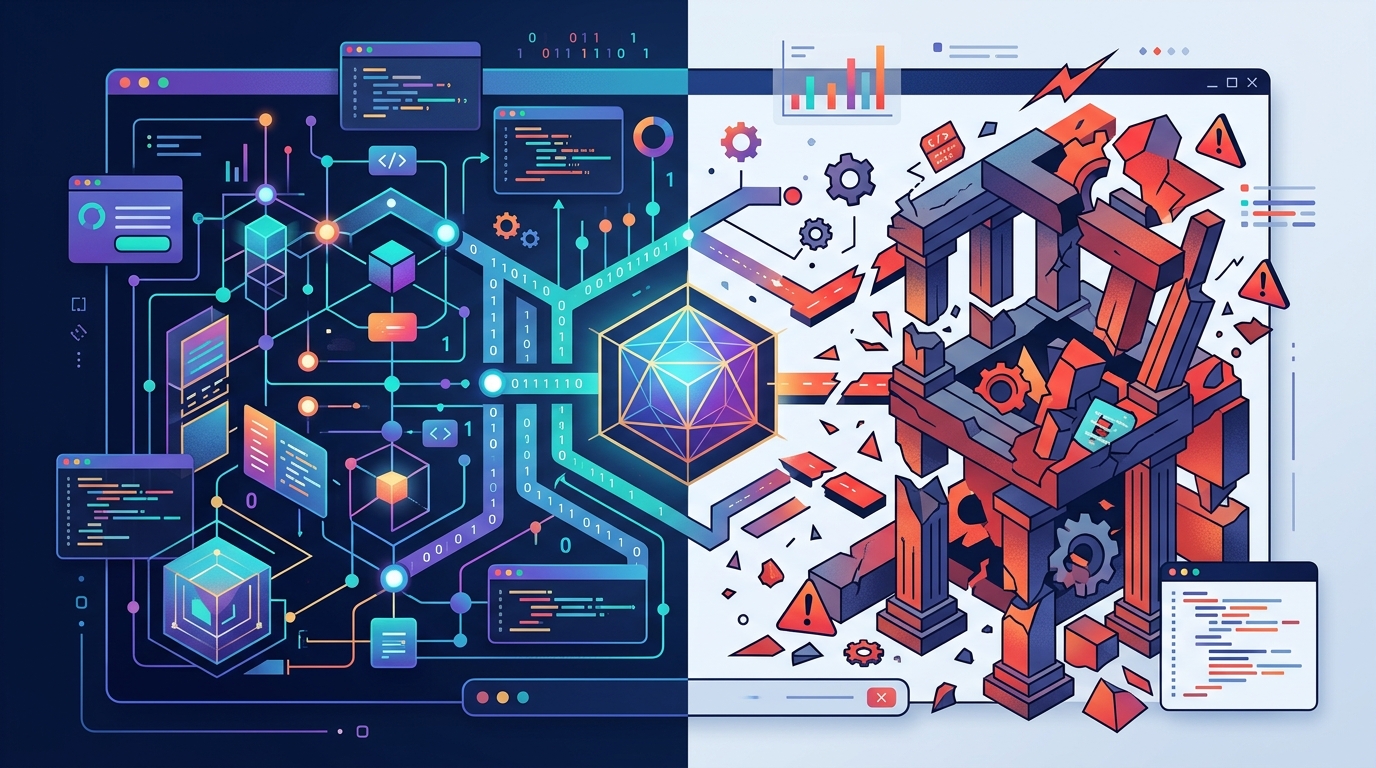
The image of a candidate spending hours browsing job boards, sending out dozens of generic resumes, is now a relic of the past. In June 2026, the labor market bears no resemblance to the traditional structure we once knew. Artificial Intelligence is no longer a simple keyword filtering tool; it is the central architect of professional careers and corporate staffing.
The Rise of Autonomous Recruitment Agents
Today, the process begins long before a vacancy is even posted. Companies utilize autonomous AI agents that scan the digital footprint of potential candidates in real-time. They don't just look at LinkedIn; they analyze contributions to open-source code, participation in niche forums, and even how a professional solves problems within virtual work environments. These agents don't wait for an application; they 'hunt' talent based on predictive models that calculate when an employee is likely to seek their next challenge.
"Hiring in 2026 is not about who you are on paper, but what you can produce in an ecosystem where knowledge depreciates rapidly and adaptability is the only currency," says human resources analyst Stefanos Pappas.
The Algorithmic Arms Race: AI vs. AI
One of the most fascinating developments of 2026 is the 'war' between candidate-side AI and employer-side AI. Candidates now use personal 'Career Agents' that optimize their profiles for every specific role, simulate interviews, and even negotiate salaries. On the other side, companies are deploying detection algorithms to spot 'AI-generated content' in resumes, attempting to find the authentic human skill behind the digital polish.
- Hyper-Personalized Assessments: Standardized interviews have been replaced by dynamic VR/AR scenarios where candidates must solve real-time company problems.
- Sentiment Analysis: During video calls, AI analyzes micro-expressions and vocal tones to assess cultural fit, raising significant ethical questions.
- Blockchain Credentialing: Degrees and certifications are instantly verified via blockchain, eliminating resume fraud once and for all.
Ethics, Transparency, and the Regulatory Landscape
With the full implementation of the EU AI Act, businesses are facing rigorous audits. AI in recruitment is classified as 'high-risk.' This means every algorithm that rejects a candidate must be explainable. Candidates have the right to know exactly why they weren't shortlisted and can demand human intervention. Transparency is no longer an elective feature but a legal mandate reshaping the trust between employer and employee.
From Credentials to Capabilities: The New Currency
In 2026, the focus has shifted from where you studied to what you can actually do. AI-driven 'Skill Mapping' allows companies to break down roles into micro-tasks and match them with specific human capabilities. This has led to the rise of 'Fractional Employment,' where a high-skill professional might work for three different companies simultaneously, managed by an AI orchestrator. The traditional 9-to-5 is being dismantled by an algorithmic efficiency that values output over hours logged.