The Earth is signaling a dire warning, but Europe finds itself at the epicenter of a climate storm evolving with unprecedented speed. According to the latest data from the Copernicus Climate Change Service (C3S) and the World Meteorological Organization (WMO), the Old Continent is warming faster than any other on the planet. With temperatures rising at double the global average rate, Europe is not merely facing an environmental challenge; it is confronting an existential threat that demands an immediate reassessment of its political, economic, and technological strategies.
The Geography of Crisis: Why Europe?
The realization that Europe is warming faster is not a surprise to scientists, but the intensity of the phenomenon is shocking. Since the 1980s, warming in Europe has been twice the global average. There are specific geological and meteorological reasons for this. The continent's proximity to the Arctic—the world's fastest-warming region—plays a decisive role. As ice melts, the region's reflectivity decreases (the albedo effect), causing land and sea to absorb more heat.
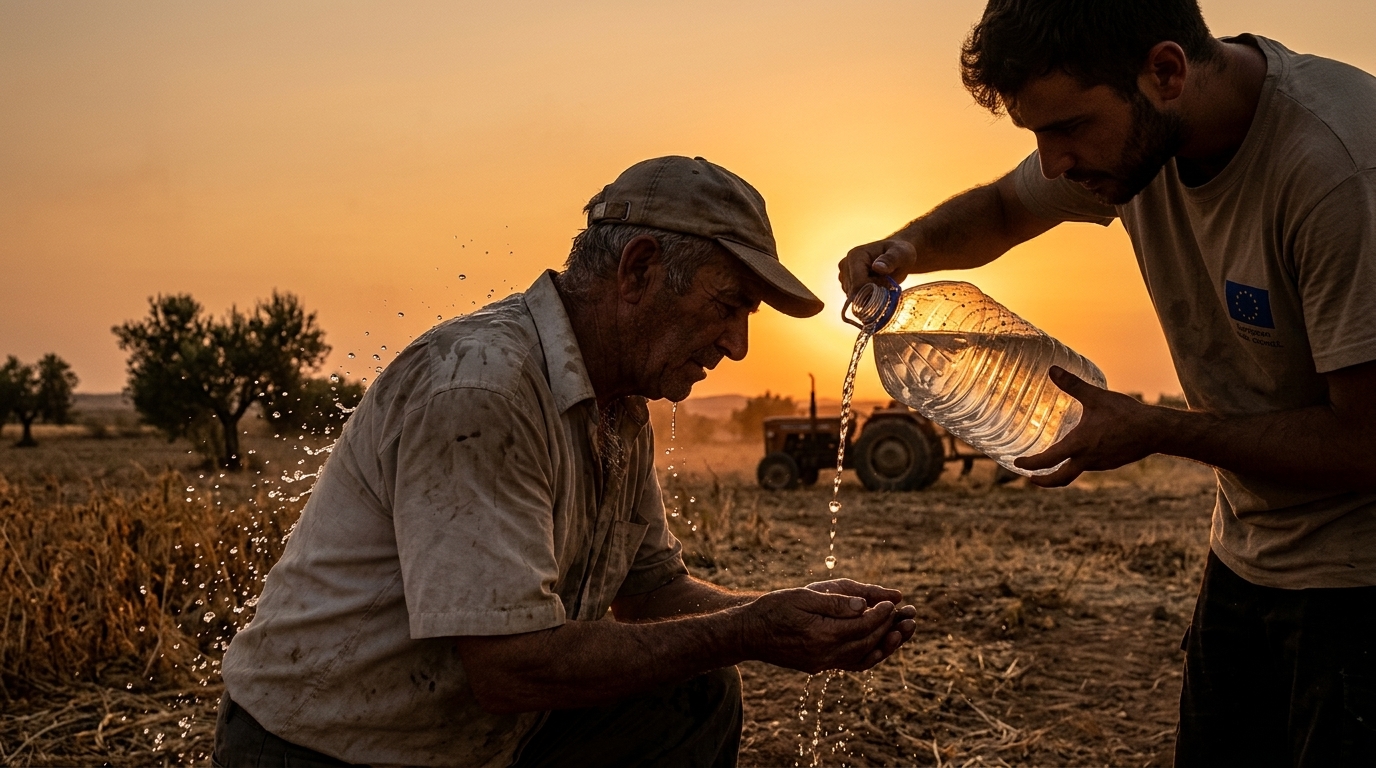
Furthermore, changes in atmospheric circulation, such as the weakening of the jet stream, are leading to prolonged periods of extreme heat and drought. The summer of 2025 broke every previous record, with Southern Europe experiencing conditions reminiscent of sub-Saharan Africa, while the North faced catastrophic flooding. The climate crisis is no longer a future scenario; it is a daily reality disrupting agricultural production, energy security, and healthcare systems.
Economic Implications and Market Adaptation
The economic consequences are already visible in the budgets of EU member states. Drought is lowering river levels, affecting freight transport and hydroelectric power generation. Simultaneously, healthcare costs are skyrocketing due to the impact of heat on the population. Estimates suggest that losses from climate change in Europe could exceed €200 billion annually by 2030 if drastic adaptation measures are not taken.
- Agriculture: Traditional farming in the Mediterranean region is under threat of collapse, forcing farmers to seek new varieties or abandon their land.
- Tourism: The shift of tourist flows toward the North during summer months is reshaping the map of the European economy.
- Infrastructure: Roads, railways, and buildings were not designed to withstand sustained temperatures exceeding 40 degrees Celsius.
"We are no longer in a phase of climate change, but in a phase of climate breakdown that requires a wartime mobilization of our resources," states a senior official from the European Environment Agency.
Artificial Intelligence as a Shield
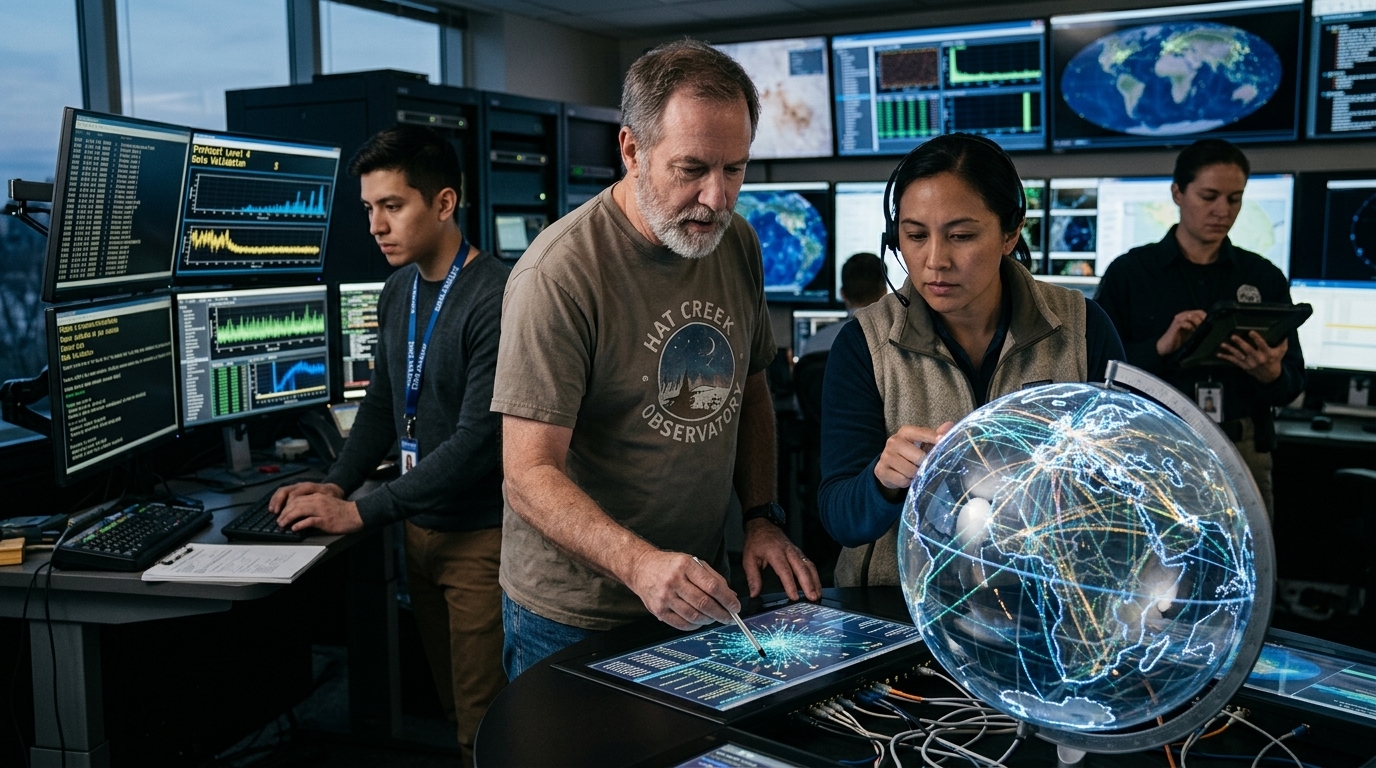
Within this grim landscape, Artificial Intelligence (AI) is emerging as the most valuable tool for addressing the crisis. The European Union's "Destination Earth" (DestinE) initiative uses supercomputers and AI models to create a digital twin of the planet. This allows scientists to simulate climate scenarios with incredible precision, predicting extreme events weeks before they occur.
AI is used not only for prediction but also for optimization. In the energy sector, algorithms manage smart grids, balancing supply and demand from renewable sources, thereby reducing dependence on fossil fuels. In agriculture, AI-driven "smart farming" enables the precise use of water and fertilizers, conserving resources during periods of scarcity. However, AI itself requires vast amounts of energy to operate data centers, creating a paradox that Europe must solve through "green computing."
Political Challenges and the Future
The European Green Deal is at a critical crossroads. While Europe leads in introducing regulations to reduce emissions, the speed of warming is outpacing the bureaucracy of Brussels. There is growing tension between environmental goals and industrial competitiveness, especially as the energy transition requires massive investments during a period of inflation.
The continent's future depends on its ability to turn this "red alert" into an opportunity for radical innovation. Europe's survival will be determined not only by how much it reduces its emissions but by how quickly it adapts its cities, economy, and society to a world that is already significantly warmer. Technology is the means, but political will remains the driving force.