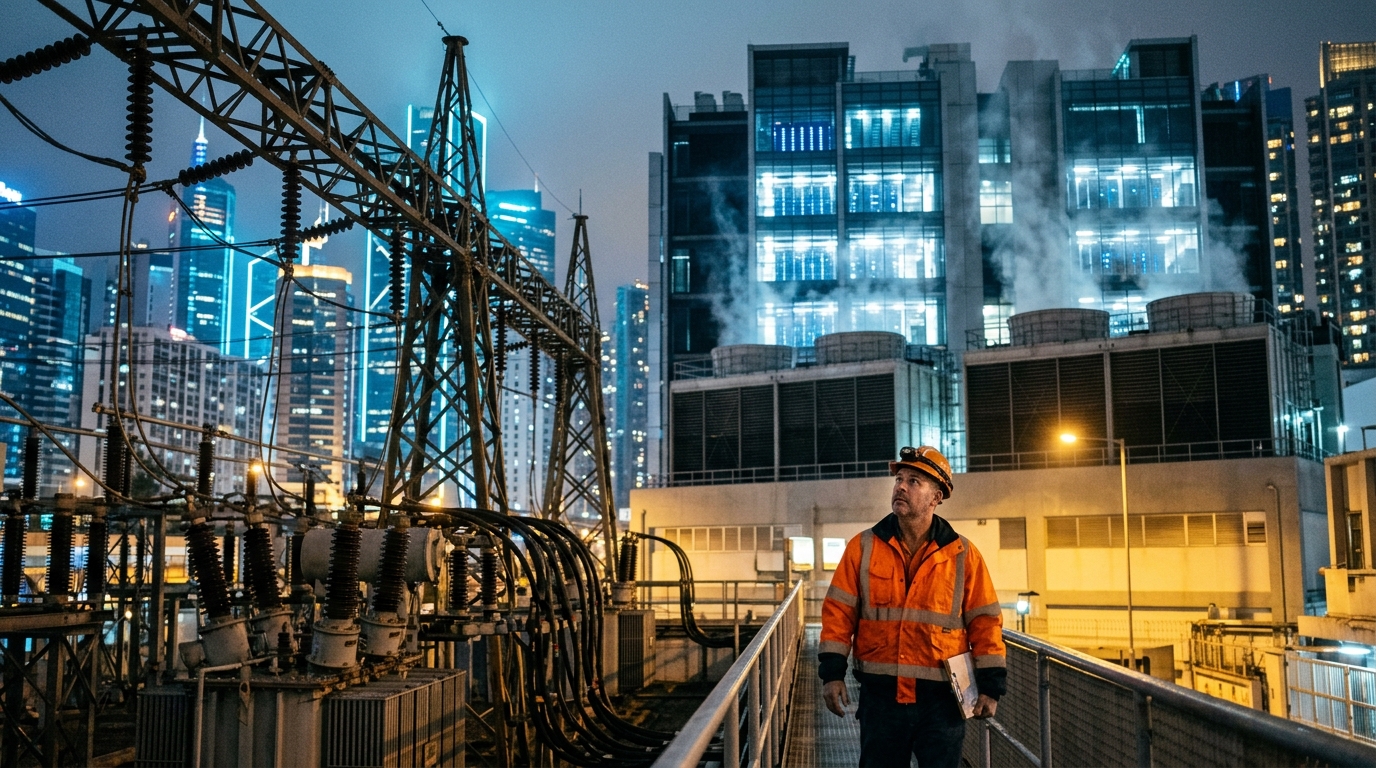
When users around the world type a prompt into ChatGPT or generate an image via Midjourney, they rarely consider the physical reality of that action. Yet, behind the "intangible" intelligence lie vast fields of servers operating non-stop, consuming quantities of electricity comparable to entire nations. The question that has become urgent in 2026 is not just whether Artificial Intelligence (AI) will change the world, but whether its growth is directly burdening the average citizen's pocket through electricity bills.
The Insatiable Hunger of Data Centers
The rise of Generative AI has led to an unprecedented need for computational power. Data centers, the "temples" of modern technology, now require specialized Graphics Processing Units (GPUs) that consume up to three times more energy than traditional servers. According to recent reports from utility organizations in the US and Europe, demand from the tech sector has upended decades-long forecasts for energy consumption.
In regions like Northern Virginia or Florida, where the concentration of data centers is high, utility companies are forced to invest billions in new infrastructure, transmission grids, and power plants. The cost of these investments, however, is not always borne exclusively by the tech giants. Through regulatory frameworks, a large portion of these capital expenditures is passed on to the consumer base, leading to increases in residential electricity rates.
Infrastructure Conflict and Social Justice
The problem is not just the quantity of energy, but the speed at which it is required. The electrical grid in many developed countries is aging and was not designed to support the sharp increase imposed by AI. When a company like Microsoft or Google announces the construction of a new data campus, the local utility must often upgrade the entire regional grid.
- Subsidies and Tax Breaks: Many states offer incentives to attract data centers, reducing costs for corporations but increasing pressure on public resources.
- Competition for Renewables: Big Tech's commitment to "clean energy" often means they pre-purchase the majority of output from wind and solar farms, leaving less and more expensive green energy for the general public.
- Grid Maintenance Costs: The continuous full-power (base load) operation of data centers stresses transformers and transmission lines, requiring more frequent maintenance.
In the case of Florida, as reported by News4JAX, consumers are expressing concerns that rate hikes approved by regulators for "grid modernization" are actually subsidizing Silicon Valley's expansion into their state. It is a classic case of privatizing profits and socializing costs.
The Industry Response: Efficiency or More Production?
AI proponents argue that the technology itself will help solve the problem. AI algorithms are already being used to optimize energy flow in grids and predict demand, reducing losses. Furthermore, there is a shift toward nuclear energy, with companies like Amazon purchasing data centers powered directly by nuclear power plants.
"We cannot have a 21st-century economy with a 20th-century grid. AI is the catalyst forcing us to modernize, but the transition must be fair," energy market analysts state.
However, until these long-term investments pay off, the consumer remains exposed. The pressure for profitability from utility companies, combined with the unlimited demand from tech giants, creates an explosive mix. Unless stricter regulatory frameworks are established to force data centers to pay the full cost of the infrastructure they demand, electricity bills will continue to reflect our "digital thirst."
Conclusions for the Future
The conversation about Artificial Intelligence must shift from what the software can do to what the hardware requires. Energy sovereignty will be the major geopolitical and social stake of the coming years. For the average citizen, understanding that using an AI assistant has a real, measurable cost in kilowatt-hours is the first step in demanding a fairer energy policy. The light burning in our office and the processor "thinking" somewhere in the Utah desert draw from the same source. And that source is becoming increasingly expensive.