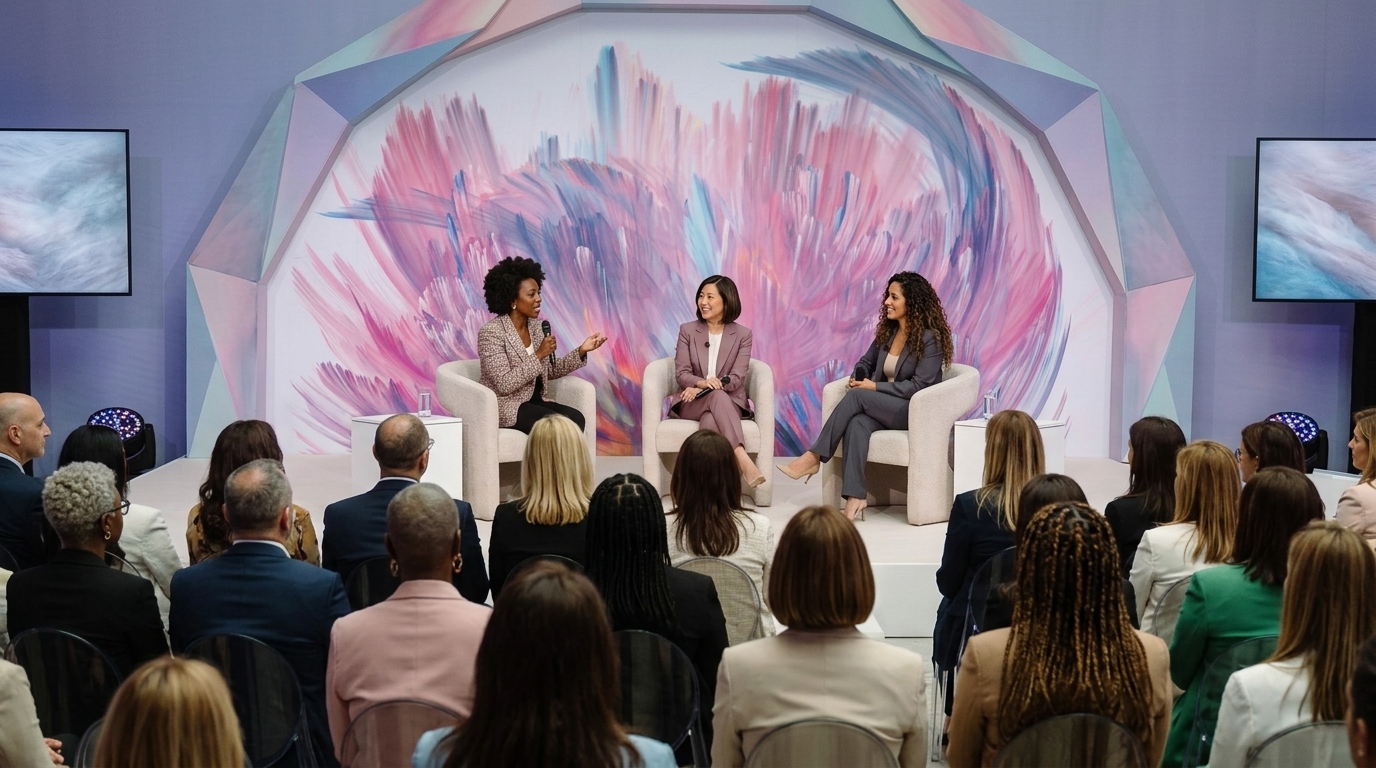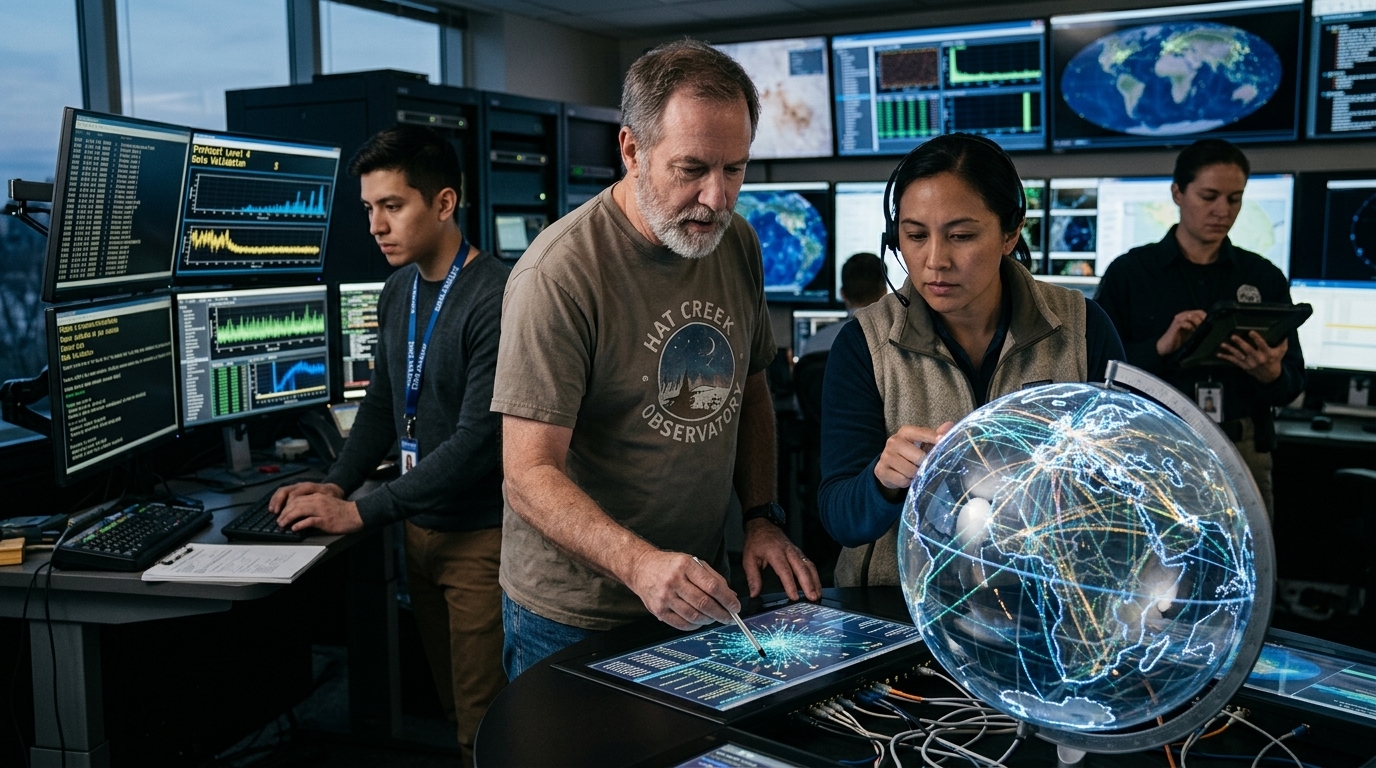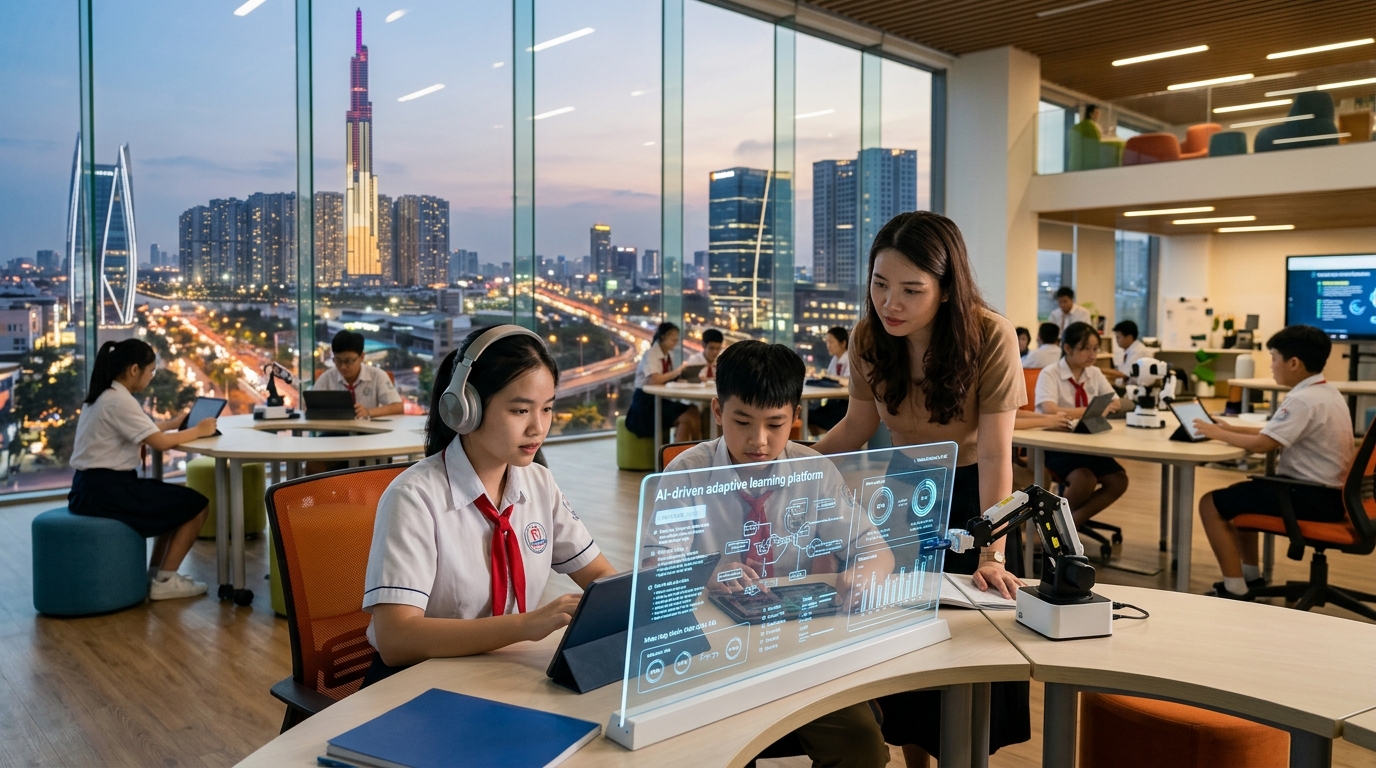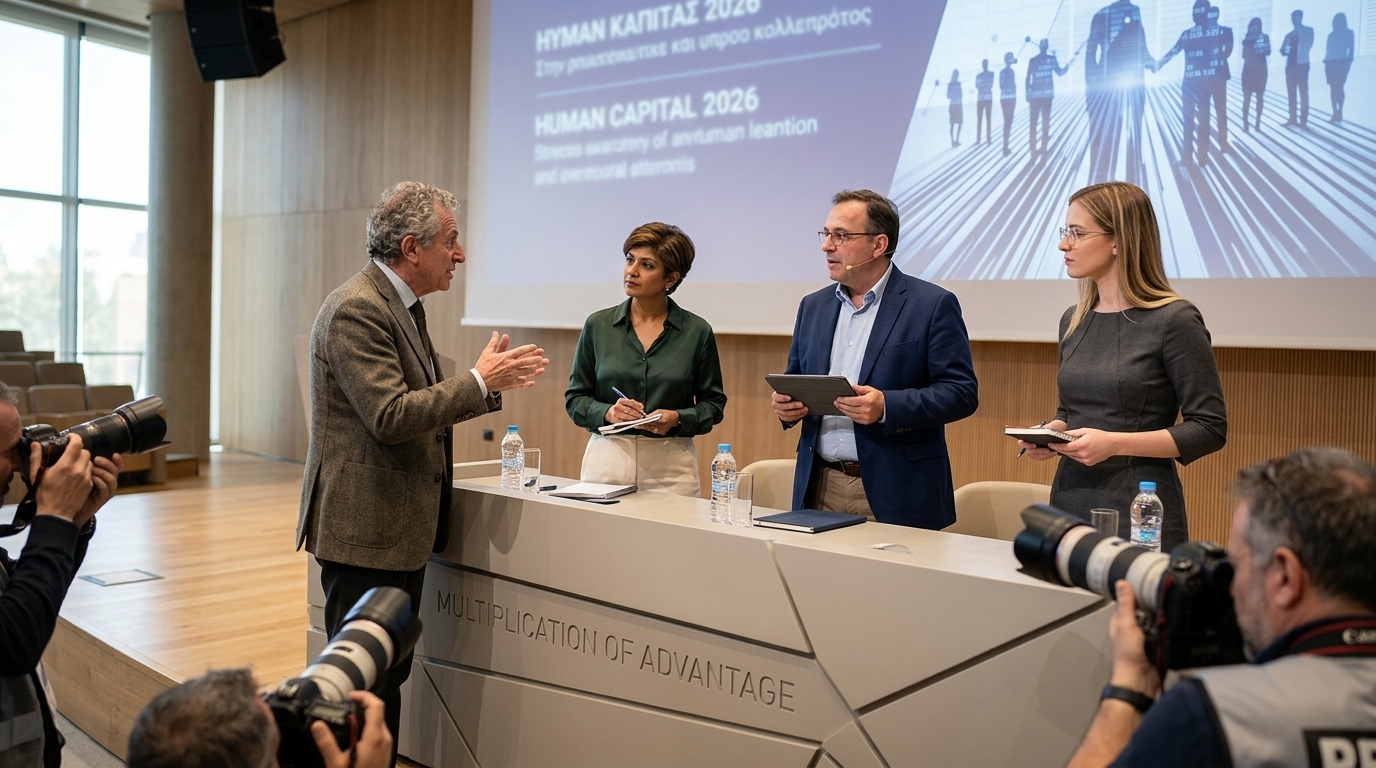
In an era where Artificial Intelligence (AI) has become deeply embedded in core business operations, Deloitte's recent Human Capital Trends 2026 event in Athens posed a critical question: Why, despite massive investments in technology, does actual productivity remain stagnant in many sectors? The answer, according to Deloitte analysts, lies in the "investment gap" between technological adoption and human development.
The event, which brought together leaders from across the Greek economy, moved beyond mere technical analysis. Instead, it highlighted a profoundly human-centric approach. AI is no longer viewed as a simple replacement for labor, but as a "multiplier" of human capabilities. However, for this multiplier to work, a new strategy is required—one that places "Human Sustainability" at the heart of the corporate agenda.
The Productivity Paradox and the Investment Gap
One of the most compelling insights from the 2026 report is the realization that companies investing exclusively in AI tools without reshaping their culture and workforce skills are failing to see the expected Return on Investment (ROI). This is the "investment gap." While capital flows toward algorithms and cloud infrastructure, investment in reskilling and, crucially, the psychological resilience of employees, often remains a secondary priority.
Data presented at the event suggests that productivity in the AI age can no longer be measured by traditional "input-output" metrics. In the 21st century, value is generated by the ability of humans to ask the right questions of AI systems, solve complex ethical dilemmas, and demonstrate empathy in crisis environments. When a company neglects these aspects, it creates "human capital debt" that eventually undermines technological progress itself.
Human Sustainability as a Business Imperative
The concept of Human Sustainability has emerged as the leading trend for 2026. This is not about vague corporate wellness programs; it is a rigorous business metric. Organizations are now called upon to create value for their people by improving their health, skills, and social mobility. As emphasized during the event, "if people do not thrive, the business cannot thrive in the long term."
- Redefining Work: Moving away from the narrow concept of "jobs" toward a focus on "skills" and fluid roles.
- Imagination and Creativity: Elevating human imagination as the only competitive advantage that cannot be replicated by AI.
- Ethical Governance: The need for transparency in how algorithms influence hiring, performance reviews, and promotions.
In the Greek market, the challenge is twofold. On one hand, businesses must close the digital divide; on the other, they must avoid the trap of "technological burnout" among their workforce. Deloitte underscores that the leaders who succeed will be those who cultivate an environment of psychological safety, where employees do not fear AI but embrace it as a partner.
Leadership in the Age of Algorithmic Management
The event concluded with a discussion on the new leadership paradigm. The leader of 2026 is no longer the omniscient manager but the orchestrator of an ecosystem where humans and machines coexist. The ability to manage the "unknown" and inspire trust during periods of rapid transformation is more critical than ever.
"Artificial Intelligence can optimize the past, but only human imagination can invent the future," was a standout quote that summarized the spirit of this year's findings.
In conclusion, Deloitte invites us to look beyond charts of technological performance. The challenge for 2026 is not how smart the AI we purchase is, but how capable we are of leveraging it to bring out the best of human nature in the workplace. The investment gap must be bridged, and the bridge is built on human capital.