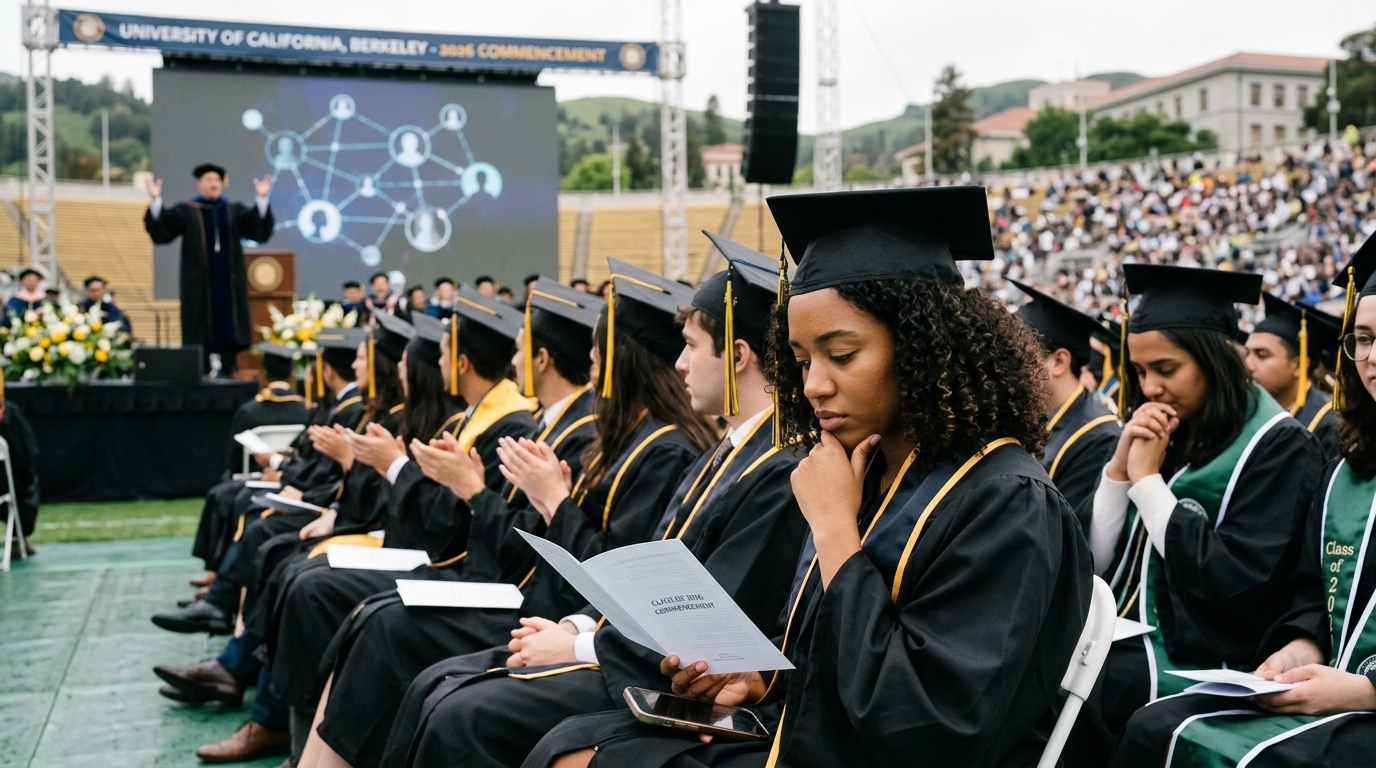
As the May 2026 sun warms university quadrangles from Harvard to the National Technical University of Athens, the atmosphere at this year’s commencement ceremonies is palpably different. This is not your typical celebration of a closed chapter; it is a rite of passage into a world that, four years ago—when these students first stepped onto campus—seemed like the stuff of science fiction. The "AI Class," as the Class of 2026 is now colloquially known, is the first cohort to have completed their entire higher education in the shadow of ChatGPT and its increasingly sophisticated successors.
The central theme dominating the speeches of guest luminaries was not the traditional "how you will change the world," but the existential "how you will remain relevant in a world changed by machines." Speakers, ranging from tech titans to philosophers and grassroots activists, sought to map the new landscape of employment, creativity, and human value in an era of unprecedented automation.
The Dawn of the 'Human Premium'
Across various ceremonies, the message was clear: the technical skills that once guaranteed a lucrative career are now merely the baseline. Artificial Intelligence can write code, parse legal documents, and synthesize medical diagnoses with a speed and accuracy no human can match. What, then, remains for the 2026 graduate?
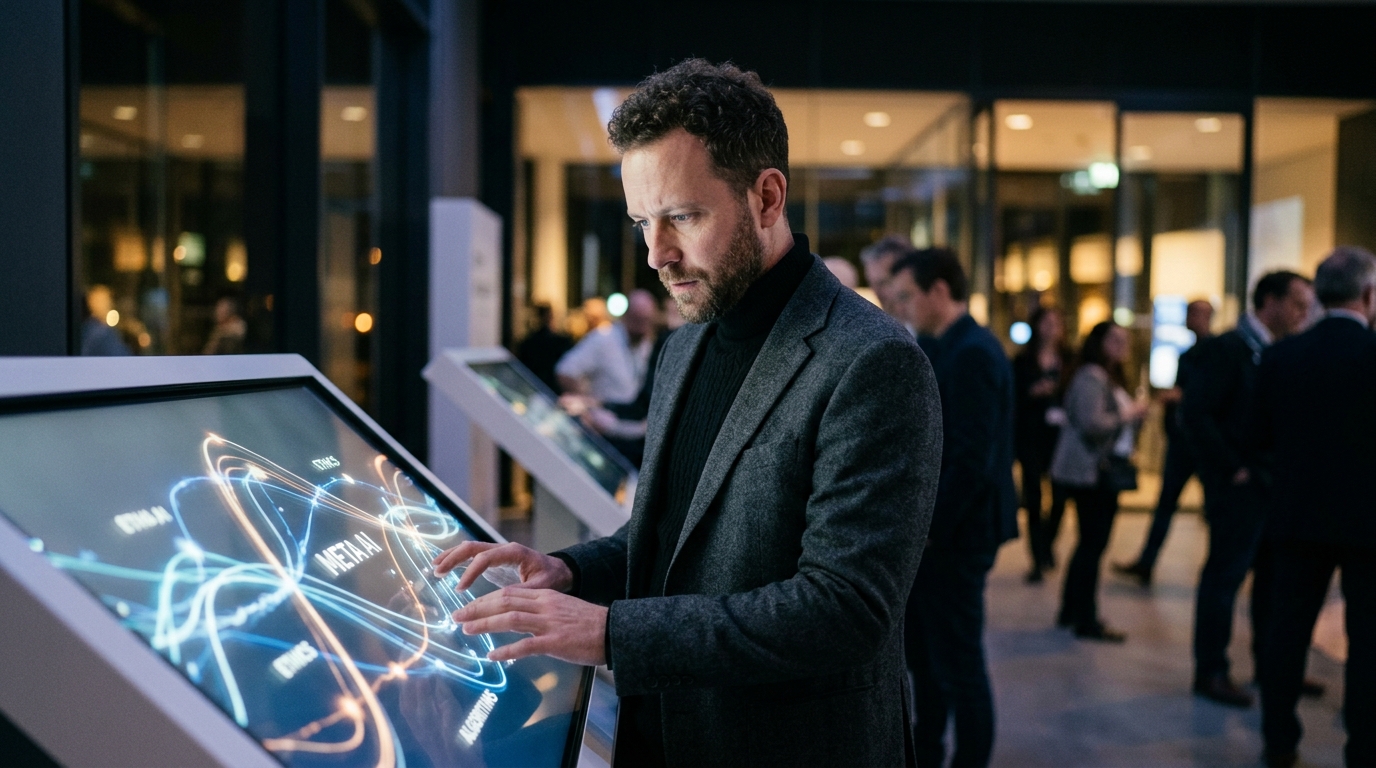
"AI will replace you in tasks that require answers," declared a prominent tech CEO during her address at Stanford. "But it cannot replace your ability to ask the right questions. Your value no longer lies in processing information, but in judgment, empathy, and the ethical weighing of the outputs the machine produces." This pivot toward "soft skills"—now being rebranded as "human skills"—was the common thread in almost every address. The consensus is that in a world of infinite, cheap intelligence, the "Human Premium"—the unique value of human connection and moral reasoning—has become the new gold standard.
- Critical thinking as a bulwark against AI-generated misinformation.
- Emotional intelligence as the key to managing hybrid teams of humans and algorithms.
- Ethical responsibility in the age of automated decision-making.
The Death of the Entry-Level Grind
One of the harsher truths delivered this year concerns the evaporation of traditional junior-level roles. Historically, graduates began their careers by performing the "grunt work"—drafting reports, conducting basic research, and organizing data. Today, these tasks are handled instantaneously by AI agents.
"Do not look for a job that can be described in an instruction manual," warned a Booker Prize-winning author at a university in London. "If your job has a predictable outcome, the machine will do it better, cheaper, and without needing sleep. Your challenge is to create roles that demand the unpredictable, the paradoxical, and the deeply personal."
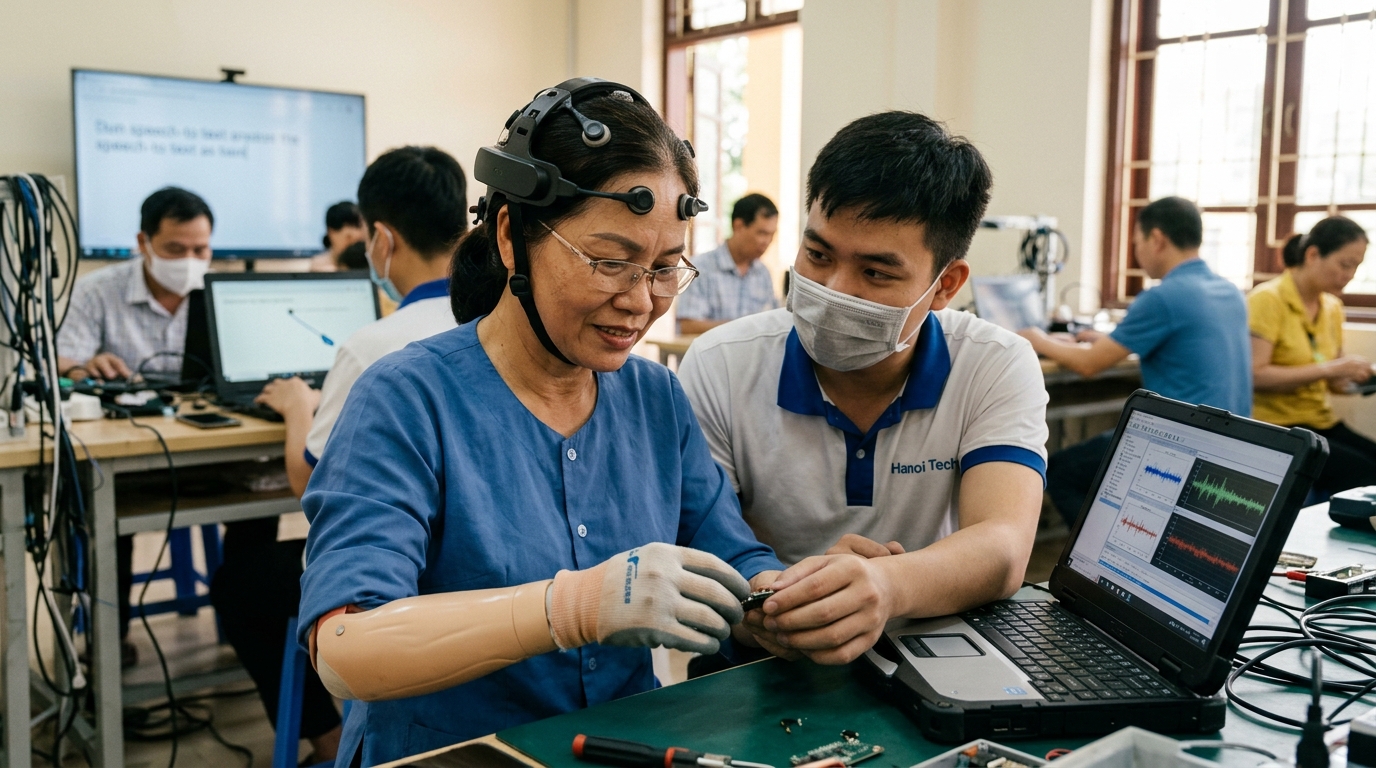
This reality necessitates a new career strategy: perpetual re-skilling. Speakers emphasized that a degree in 2026 is not the end of learning, but a license to begin a lifelong educational journey. The ability to "unlearn" and "relearn" has shifted from a buzzword to a mandatory survival skill for anyone entering the workforce today.
Ethics and Social Agency
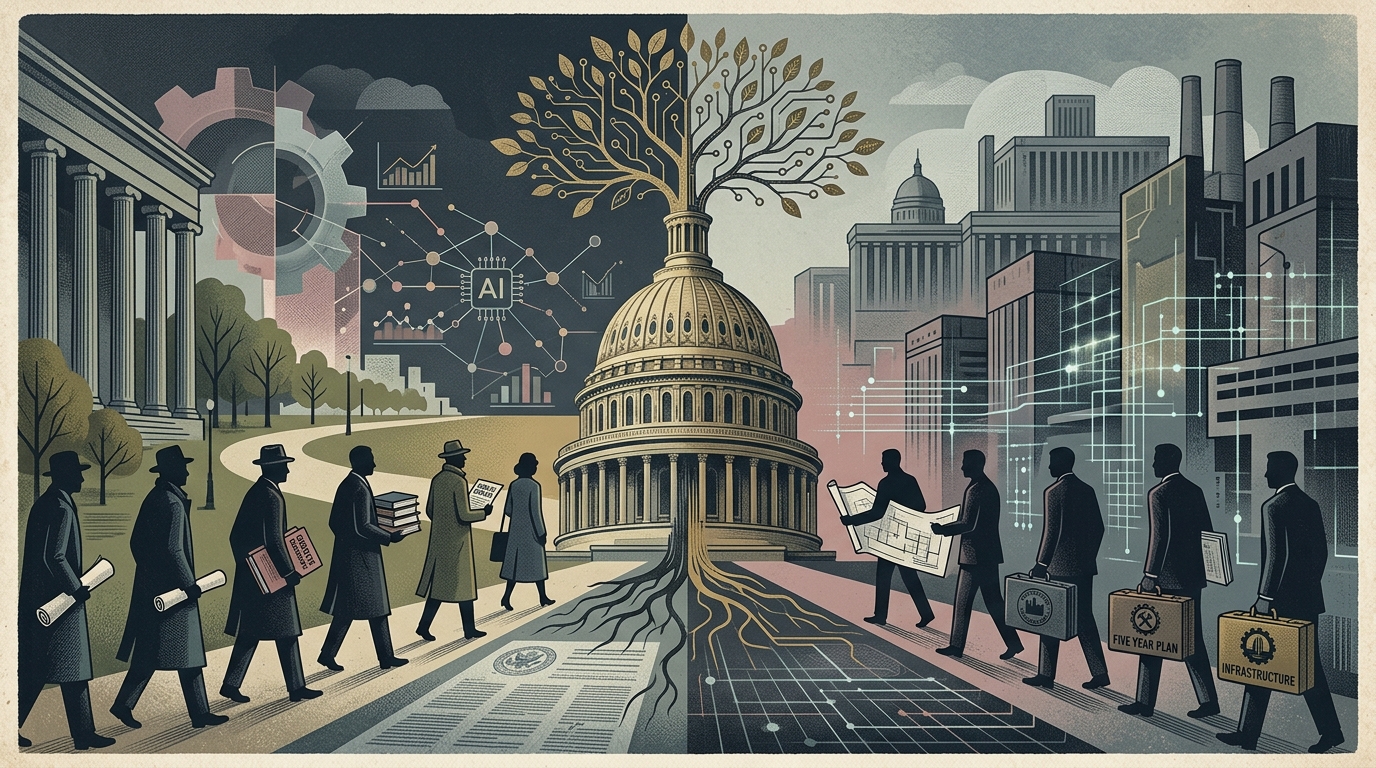
Beyond the economic dimension, speakers focused heavily on the ethical responsibility of the new generation. The Class of 2026 is being called upon to manage the social inequalities exacerbated by AI. In a widely discussed speech, a leading sociologist noted that the danger is not just unemployment, but the creation of a two-tiered society: those who command the algorithms and those who are commanded by them.
"You are the generation that must set the boundaries," was a recurring sentiment. "Technology is not destiny; it is a tool. Whether this tool is used to expand our freedoms or to imprison us in digital cages depends on your decisions, your votes, and your resistance to the seduction of total automation."
In conclusion, the 2026 commencement season has left a bittersweet aftertaste. Optimism about technological potential is tempered by a profound concern for human identity. However, the prevailing message remains: AI may replace the worker, but it cannot replace the person—provided that the person remembers what makes them uniquely human in the first place.