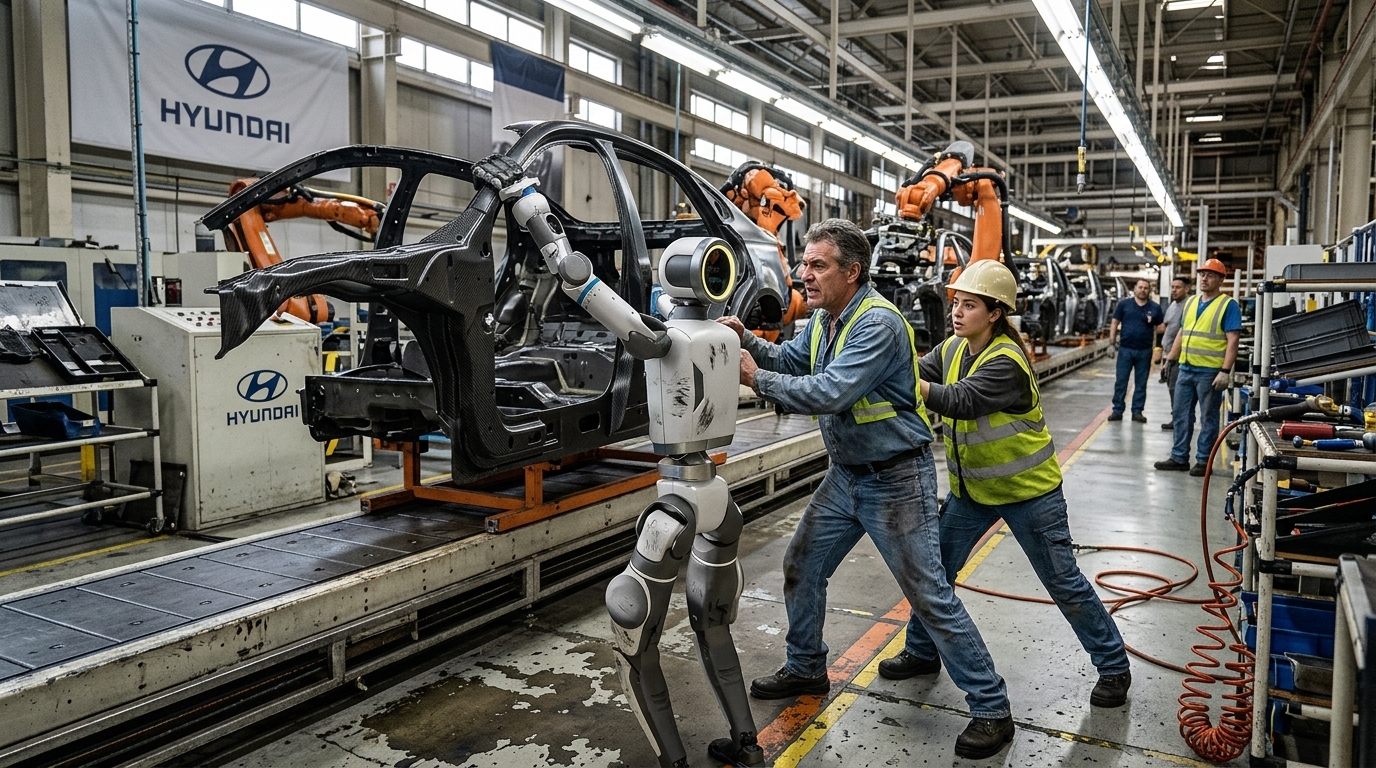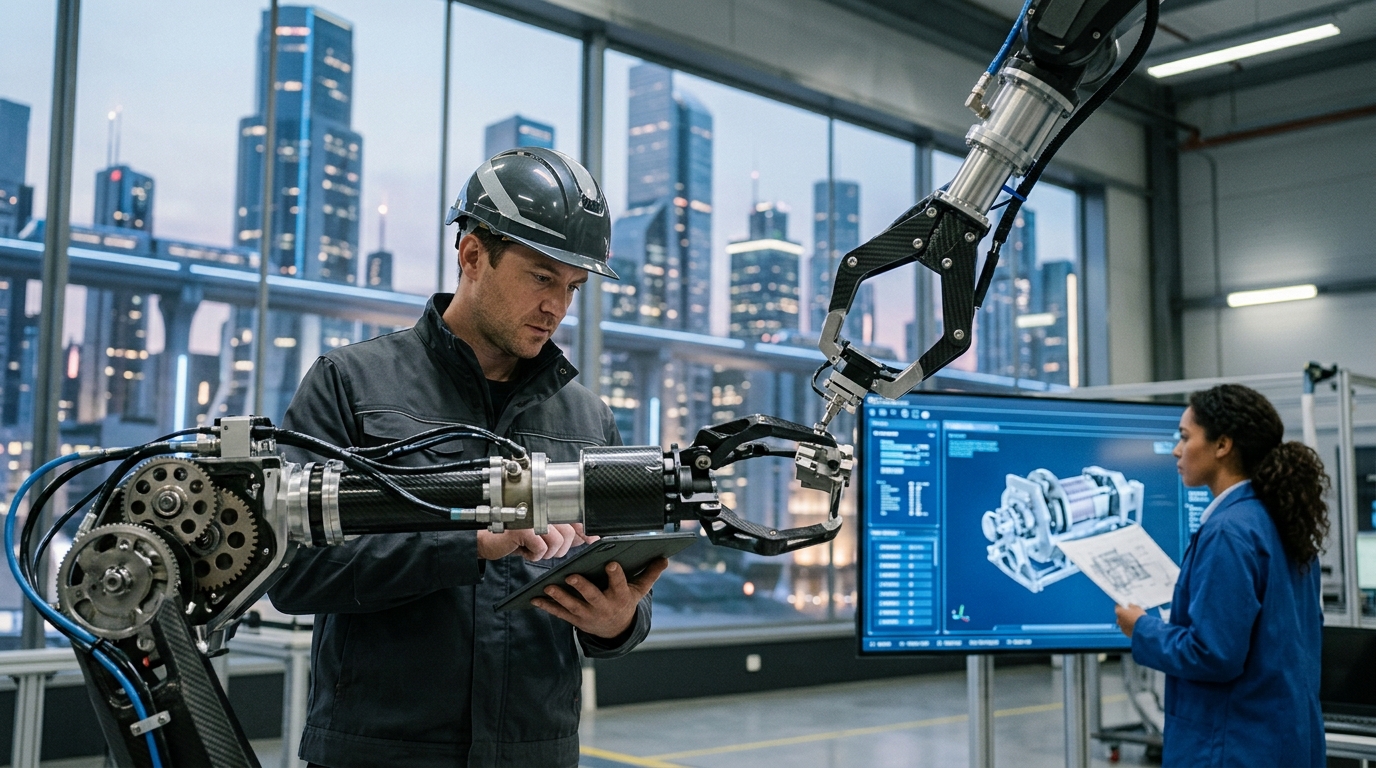
In an era where most analysts and workers shudder at the thought of algorithms making human labor obsolete, Jeff Bezos—the man who transformed global commerce through automation—presents a radically different perspective. According to the Amazon founder, the future will not be defined by unemployment lines, but by a desperate search for workers to fill new, unforeseen roles birthed by a productivity explosion.
The Trap of Static Thinking and Market Dynamics
Bezos’s primary disagreement with the 'doomsayers' lies in what economists call the 'lump of labor fallacy'—the idea that there is a fixed amount of work in the world, and if machines take it over, nothing will be left for humans. Bezos argues that AI will act as a massive force multiplier. When productivity increases, the cost of goods and services drops, which frees up capital for new investments and creates demand for things we cannot even imagine today.
Consider the advent of the internet. It destroyed thousands of jobs in traditional sectors but created millions more in fields like cybersecurity, digital marketing, and data analysis. Bezos expects AI to follow the same trajectory, but at a much faster pace. The ability of AI to solve complex problems will open new markets in medicine, space exploration, and green energy, each of which will require skilled human labor to guide and oversee autonomous systems.
The Demographic Crisis as a Catalyst
A critical factor often omitted from the AI debate is the demographic collapse of the developed world. From Japan and South Korea to Europe and the US, populations are aging and the workforce is shrinking. In this context, AI is not coming to 'steal' jobs but to act as a 'lifeline' for economies that will soon lack enough hands to maintain their standard of living.
- A shrinking active population makes automation necessary for business survival.
- AI can handle repetitive tasks, allowing a limited number of workers to focus on high-value roles.
- The wealth generated by AI will boost demand in service and care sectors, where human touch remains irreplaceable.
"It’s not a world where people won't have anything to do, but a world where we will have so many new possibilities that we will lack the people to realize them," sources close to the billionaire suggest.
The Transition Challenge and New Skills
Despite Bezos’s optimism, the transition will not be painless. The problem will not be a lack of work, but a skill mismatch. The jobs created will require different abilities than those lost. Critical thinking, emotional intelligence, and the ability to collaborate with AI will become the new 'currencies' in the labor market.
Bezos advocates for a model of continuous lifelong learning. Companies like Amazon are already investing billions in employee training programs, preparing them for an era where technology is their closest collaborator. The challenge for governments will be to modernize educational systems to keep pace with technological evolution, ensuring that no worker is left behind during this great shift.
Conclusion: A New Era of Abundance?
Jeff Bezos’s perspective invites us to view AI not as a threat, but as the tool that will unlock a new era of economic prosperity. If he is correct, the major problem of 2030 and 2040 will not be unemployment, but wage inflation due to a shortage of skilled personnel. In this scenario, humanity will face a welcome challenge: how to manage the abundance produced by the harmonious collaboration of humans and machines.