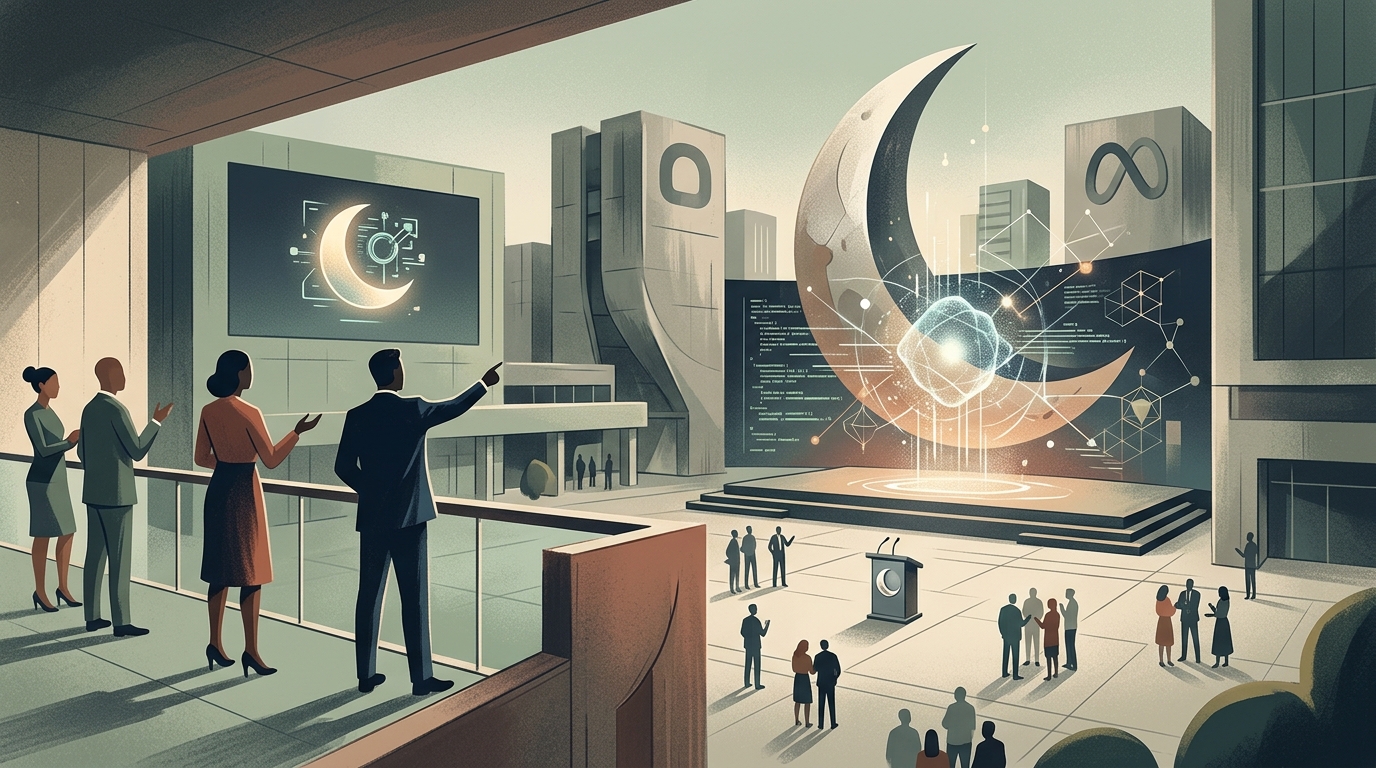
In the fluid landscape of the 2026 tech industry, Google is no longer just a search engine or an advertising provider, but a titan of Artificial Intelligence infrastructure. At the heart of this transformation lies Mark A. Steele, a figure who has emerged as a pivotal executive for Google Cloud and the broader Alphabet ecosystem. His recent feature in The Journal Record highlights a critical shift in how major tech companies perceive the relationship between human leadership and automated systems.
The Transition from Traditional IT to AI-Native Cloud
For decades, corporate IT departments were viewed as cost centers, responsible for server maintenance and user support. Steele, through his role at Google, is championing the vision of the "AI-Native Cloud." This means that infrastructure is no longer designed simply to host data, but to actively process it in real-time through models like Gemini 2.5. Steele’s approach emphasizes elasticity: a company's ability to scale its computing power not just based on traffic, but based on the complexity of the AI queries it receives.
According to industry reports, Google Cloud, under the technical guidance of leaders like Steele, has managed to reduce latency in enterprise AI applications by 40% over the last 12 months. This was achieved through the deep integration of Google's Custom TPUs (Tensor Processing Units) with cloud management software, creating a closed but highly efficient ecosystem that challenges the dominance of Microsoft Azure and Amazon Web Services (AWS).
The Philosophy of Engineering Leadership
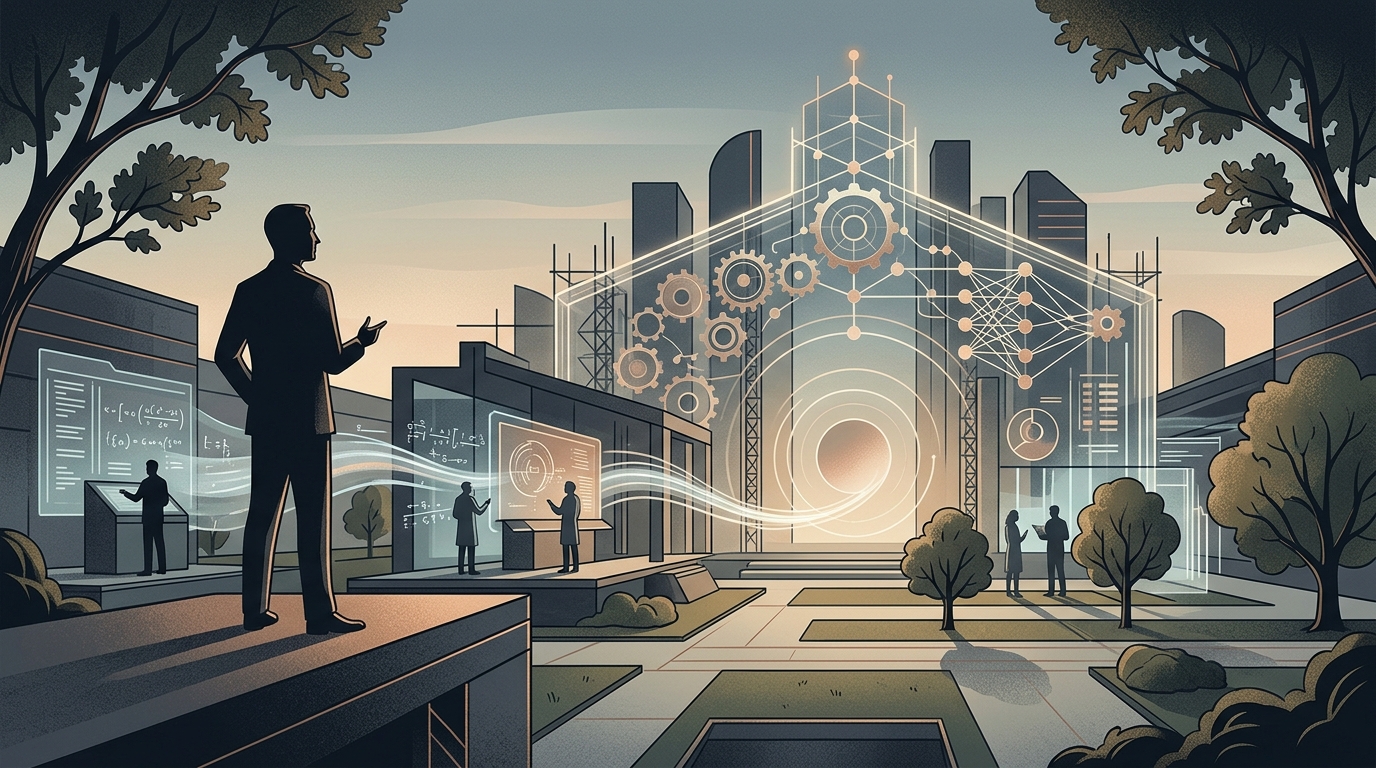
Mark A. Steele is not your typical manager. His approach, as detailed in The Journal Record, focuses on "mindful engineering." In a world where AI can write code faster than any human, the role of the engineer is shifting from execution to oversight and architectural design. Steele argues that Google must invest in people who understand not only 'how' an algorithm works, but 'why' it should be used in a specific business process.
"Technology is the tool, but judgment remains the human prerogative. At Google, our goal is to build systems that enhance human judgment, not replace it," he notes.
This philosophy is reflected in how Google Cloud structures its customer support teams. Instead of traditional technical consultants, the company is deploying "AI Solutions Architects" who work side-by-side with clients to redesign their workflows from the ground up.
Challenges and the Geopolitical Context
Steele's leadership coincides with a period of intense regulatory pressure in the European Union and the US. Google is called to balance innovation with compliance with acts like the AI Act. Steele’s strategy includes the development of "Sovereign Cloud" solutions—infrastructure that allows member states to keep their data within their borders while still benefiting from Google's global power.
Furthermore, sustainability remains at the forefront. With the energy consumption of data centers skyrocketing due to Generative AI, Steele is leading initiatives for the energy optimization of algorithms. Google aims for net-zero emissions by 2030, and the technical prowess of its executives is key to achieving this ambitious goal.
The Future of Google Under Steele's Influence
Looking toward the end of 2026, the influence of figures like Mark A. Steele will determine whether Google remains the dominant force in the cloud. The emphasis on hybrid intelligence—the combination of cloud and edge computing—is the next big bet. Steele is paving the way for an era where AI won't just reside in massive data centers but will run locally on every device, with Google Cloud acting as the central nervous system of this global machine.
- Focus on "Zero Trust" security in AI environments.
- Development of new collaboration models between humans and AI Agents.
- Democratization of machine learning tools for non-technical users.
In conclusion, Mark A. Steele's presence at Google symbolizes the maturation of the industry. We are moving from the chaotic growth of the early AI days into a phase of robust, architectural construction, where reliability and ethics take center stage.