In a period where the global economy is attempting to decode the true impact of Generative AI, Sam Altman, the visionary behind OpenAI, has offered a dual-edged observation. On one hand, the labor market is exhibiting an unexpected resilience, with unemployment failing to spike to the levels many predicted two years ago. On the other hand, Altman warns that the "threat" has not passed; rather, it is evolving into something deeper and more structural that could upend the social contract as we know it.
Resilience as a Transitional Phase
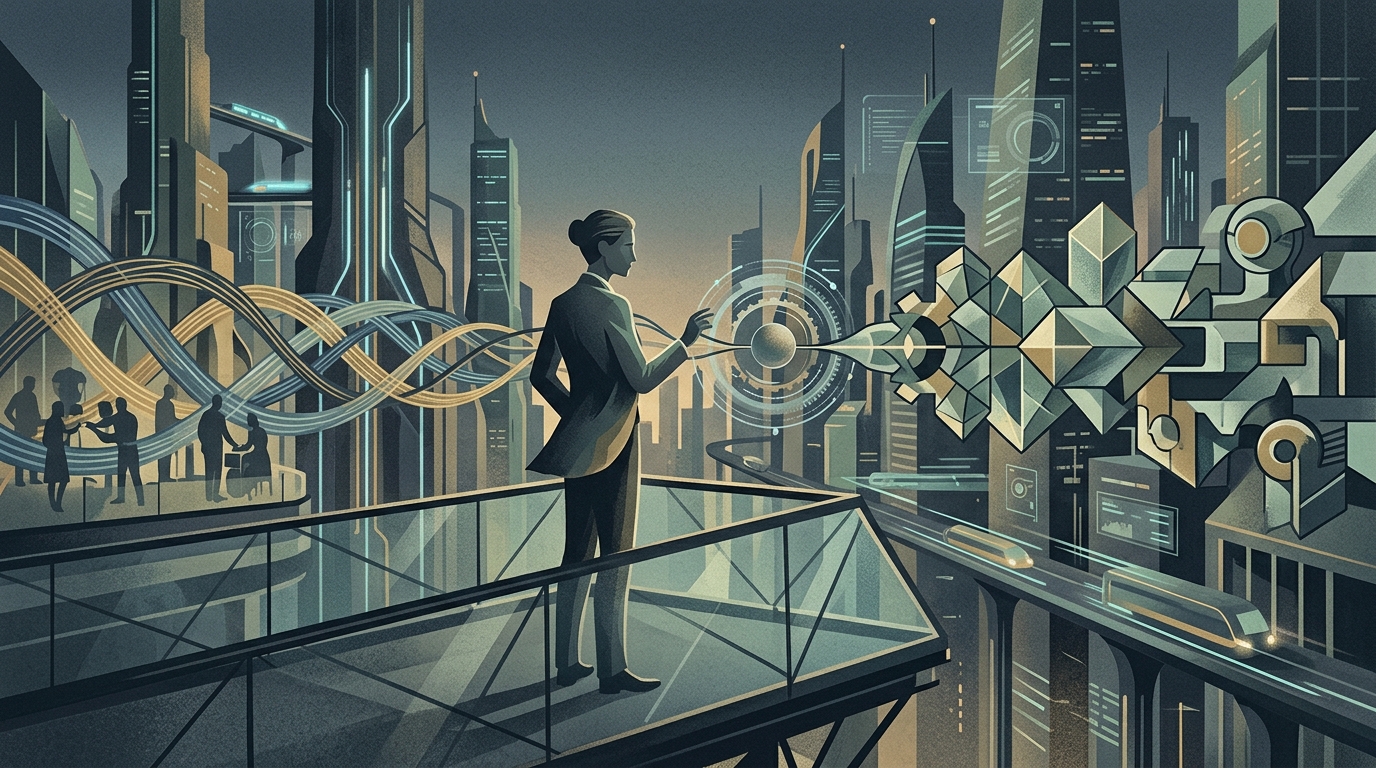
The current state of the labor market resembles the calm before the storm—or more accurately, the gradual adaptation of an organism to a new environment. According to Altman’s analysis, jobs are not disappearing en masse because AI, in its current phase, functions more as a "copilot" than a full replacement. Workers are leveraging tools from OpenAI and its competitors to augment their productivity, allowing businesses to retain staff while increasing output.
However, this productivity gain has a ceiling. Once AI reaches a level of autonomy where human oversight is no longer required for complex task execution, the "worker + AI" model will begin to tilt dangerously toward the latter. Altman points out that the historical resilience of labor against technology is no guarantee for the future, as the speed of the current revolution is exponential rather than linear.
The Shift from Execution to Strategy
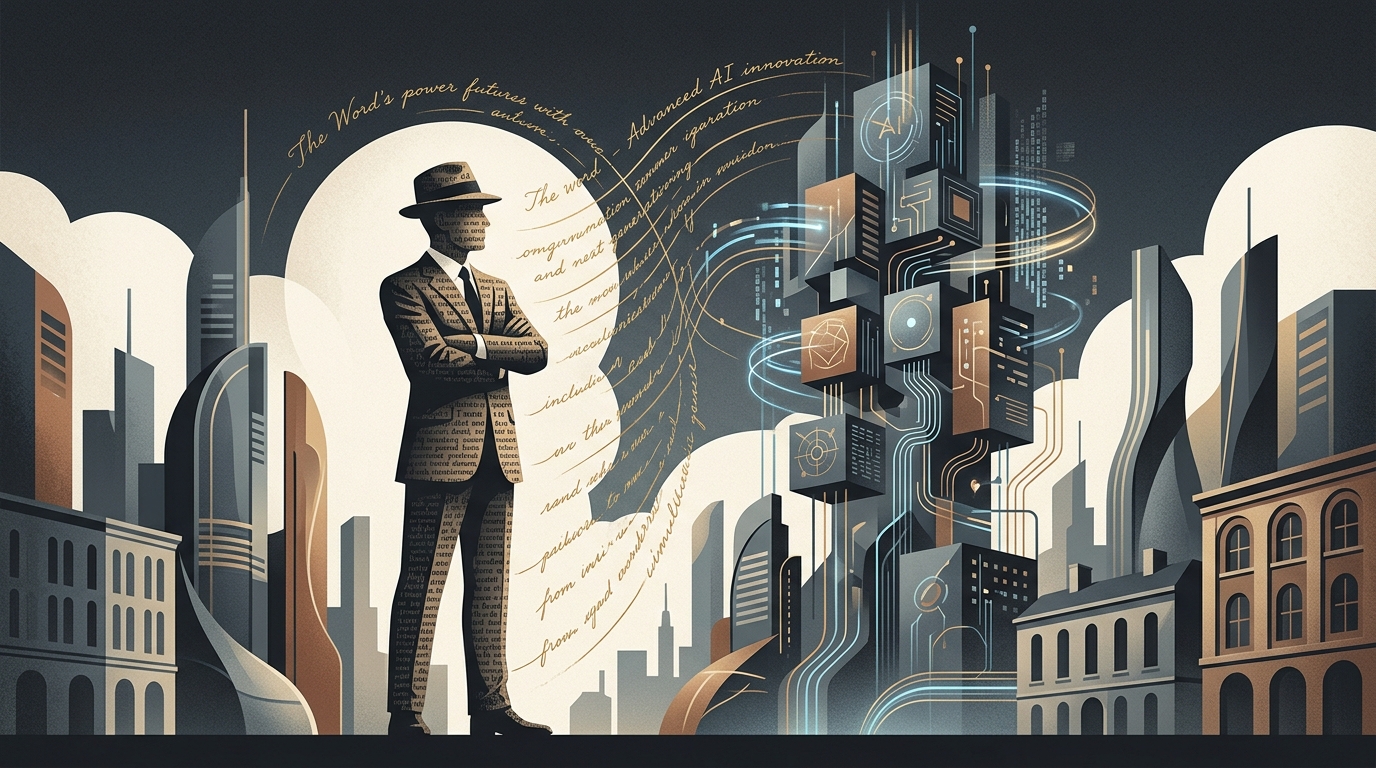
One of the most compelling aspects of Altman’s stance concerns the changing nature of work. AI is progressively taking over execution-based tasks, leaving humans with the role of the director or the judge. This creates a new hierarchy of skills, where the ability to frame questions (prompt engineering) and critical thinking become more valuable than technical expertise in specific software or procedures.
The problem, however, remains: not every job can be transformed into a high-level strategic role. The "threat" Altman refers to primarily concerns the middle class of white-collar workers, who are seeing their cognitive skills digitized at an unprecedented pace. The resilience we observe today might simply be the result of bureaucratic inertia within large organizations—an inertia that will not last forever.
The "Endgame" and Universal Welfare
Altman does not stop at diagnosing the problem; he also proposes radical solutions that were once considered fringe. The discussion surrounding Universal Basic Income (UBI), or what he calls "Universal Basic Compute," is returning to the forefront. The idea is simple yet provocative: if AI generates the bulk of the world's wealth, that wealth must be redistributed to citizens to maintain social cohesion.
The warning that the threat hasn't passed refers precisely to this existential transition. If society does not prepare institutionally for an economy where labor is no longer the primary means of livelihood, inequalities could lead to social upheaval. Altman, despite his optimism regarding technological potential, acknowledges that politics and society move at a much slower pace than algorithms.
Conclusion
Sam Altman’s position reflects the anxiety of an entire industry holding the fire of Prometheus. Jobs are holding steady because humanity is still in the learning phase. But when AI "graduates" from assistive to autonomous action, the labor market will need more than just resilience: it will require a complete redefinition of human value beyond mere productivity.