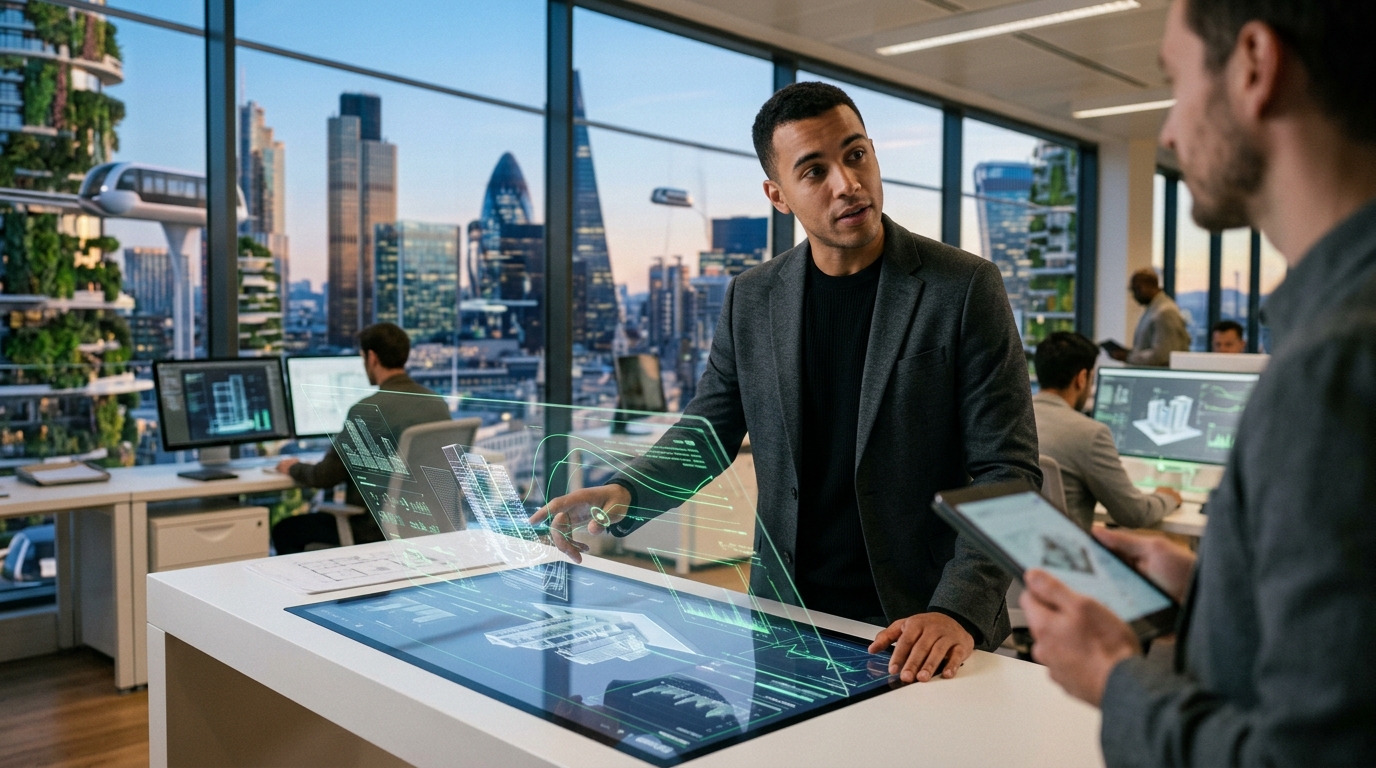
The history of humanity is inextricably linked to the evolution of transportation. From the wheel and steam engines to jet aircraft, every leap in mobility has reshaped civilization. Today, in 2026, we stand on the threshold of perhaps the most significant change since the era of Henry Ford: the full integration of Artificial Intelligence (AI) into the transportation ecosystem. It is no longer a futuristic vision but an economic reality directly affecting consumer wallets, the supply chain, and the very structure of our cities.
The Logistics Revolution and the Cost of Living
The most immediate impact of AI in transportation is found in the freight and logistics sector. Route optimization via machine learning algorithms allows companies to reduce fuel consumption and delivery times by 20-30%. In an era where inflation remains a global challenge, reducing transportation costs translates directly into lower prices on store shelves. 'Smart' fleet management isn't just about finding the shortest path; it's about predicting demand, coordinating loads to eliminate empty backhauls, and predictive maintenance—fixing vehicles before they break down.
- Reduction in operational costs through predictive maintenance.
- Automated sorting centers operating 24/7 without human intervention.
- Dynamic pricing of transport services based on real-time supply and demand.
Autonomous Driving: From Testing to Daily Life
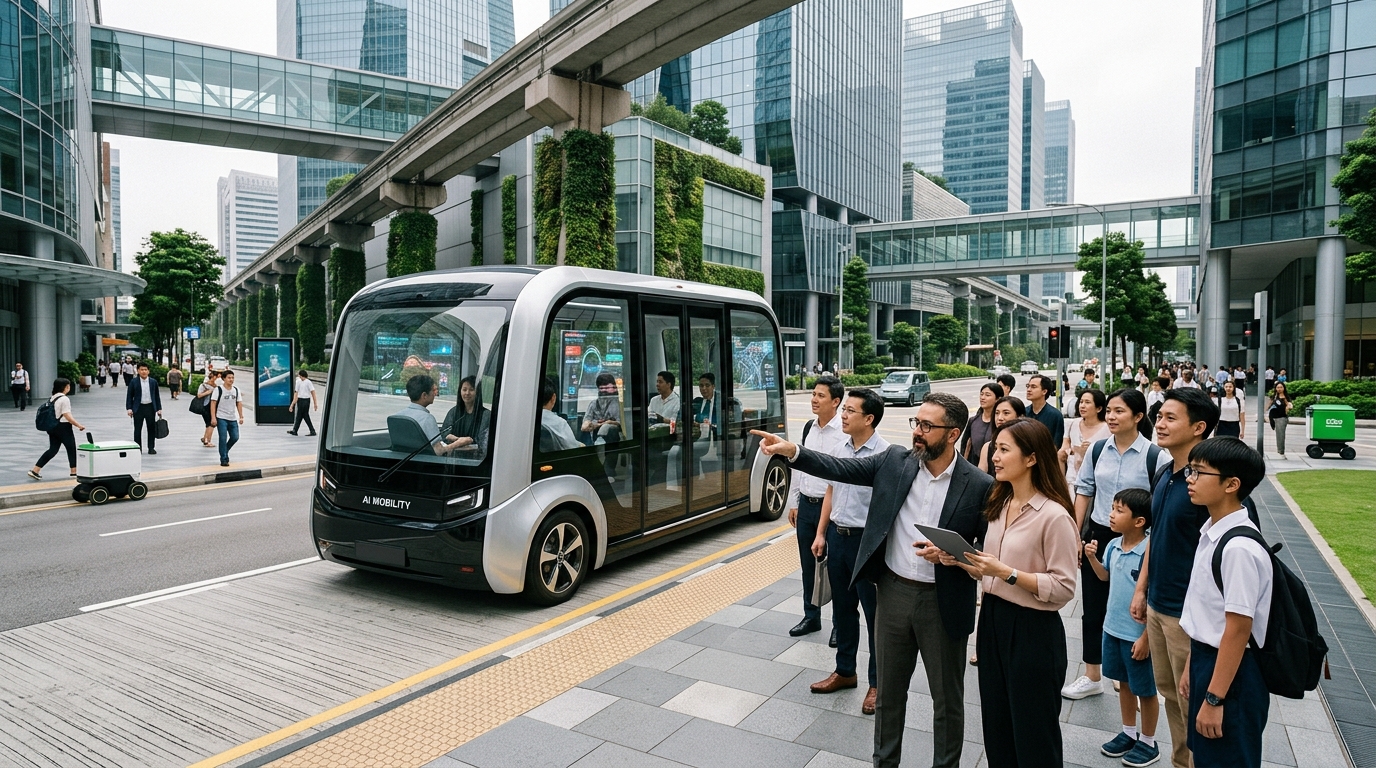
2026 marks the maturation of Level 4 autonomous systems in selected urban areas. While full autonomy in every environment remains a challenge, autonomous shuttles and robotaxis have begun to alleviate traffic congestion in major metropolises. AI processes terabytes of data from LiDAR sensors, radar, and cameras in fractions of a second, making decisions that often exceed human reflexes in speed and precision. Safety remains the primary concern, but statistics already show a gradual reduction in accidents caused by human error, such as distraction or fatigue.
"The transition to autonomous mobility is not just a technological upgrade, but a social contract that redefines the concept of responsibility and safety on public roads," industry analysts note.
Smart Cities and V2X Infrastructure
The true power of AI lies not just within the vehicles themselves, but in their communication with the environment. Vehicle-to-Everything (V2X) technology allows cars to 'talk' to traffic lights, road signs, and other vehicles. This network enables traffic flow without the traditional 'stop-and-go' delays, drastically reducing emissions. For the citizen, this means less time behind the wheel and more time for productive activities or rest. Furthermore, AI is reshaping public transit, creating On-Demand systems that adjust bus routes based on real-time passenger needs, eliminating the wasteful routes of empty vehicles.
Employment Challenges and the Ethical Dimension
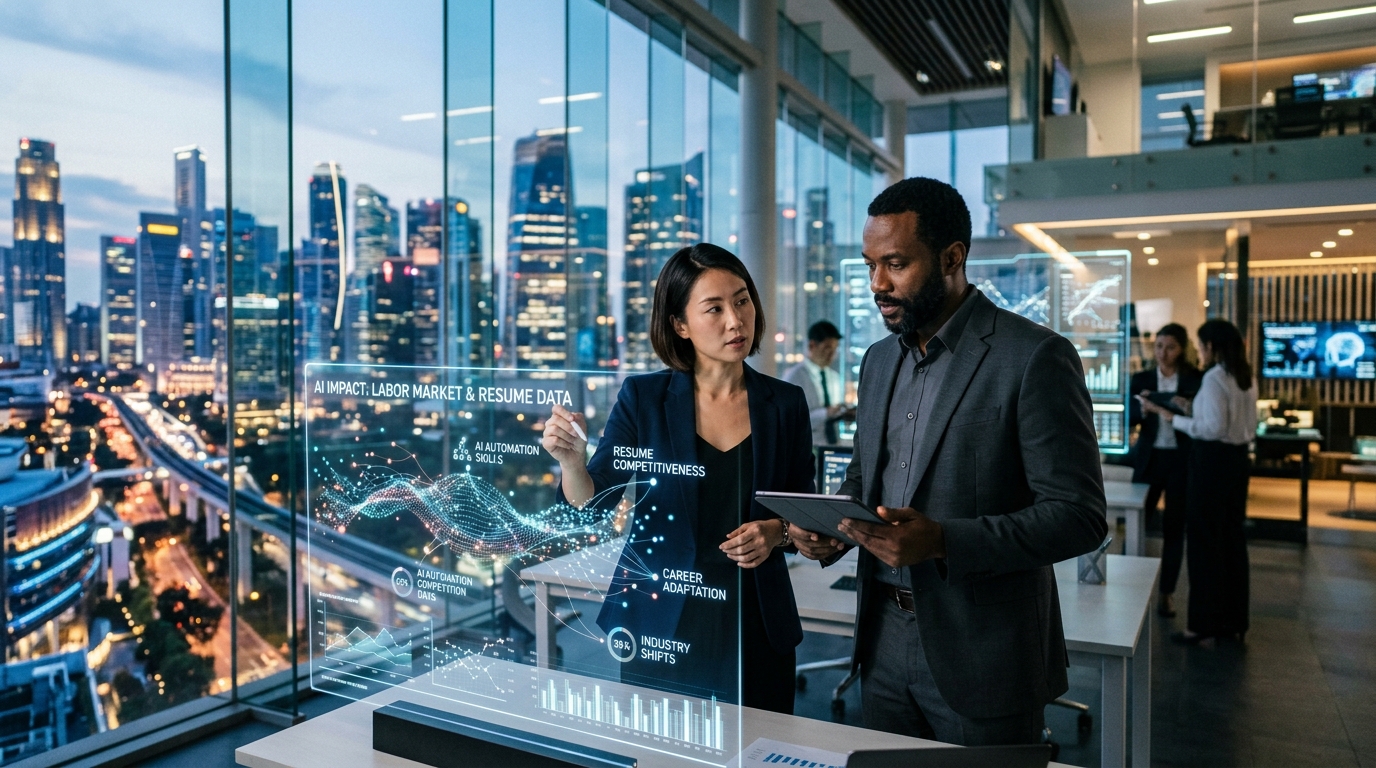
Despite the benefits, the rapid onslaught of AI in transportation causes intense concern for the future of millions of professional drivers. The transition requires retraining strategies and a new institutional framework to protect workers. Simultaneously, the ethical dilemmas of algorithms in cases of unavoidable collisions remain at the center of public debate. Who is responsible for an accident caused by code? How is the privacy of citizens' movement data ensured? These are the questions that will determine the social acceptance of technology in the coming years.