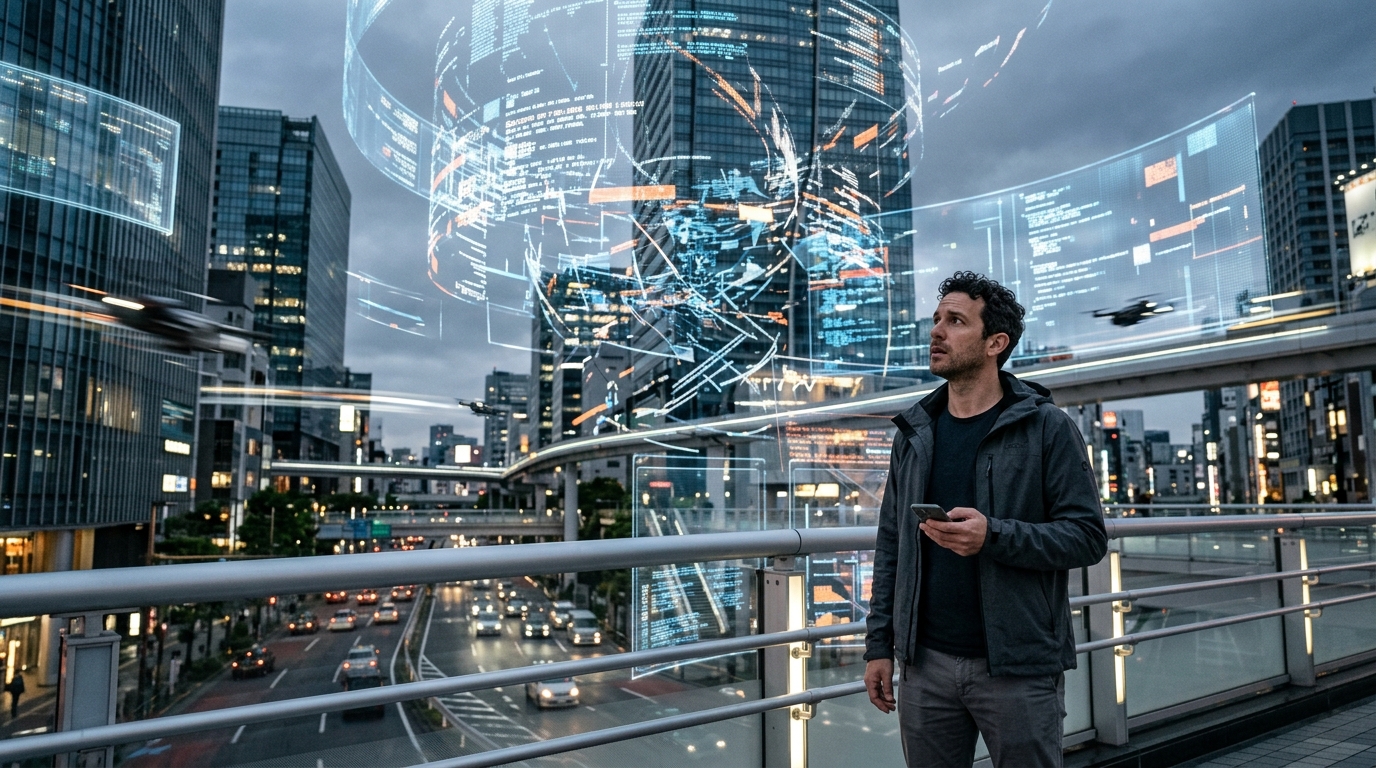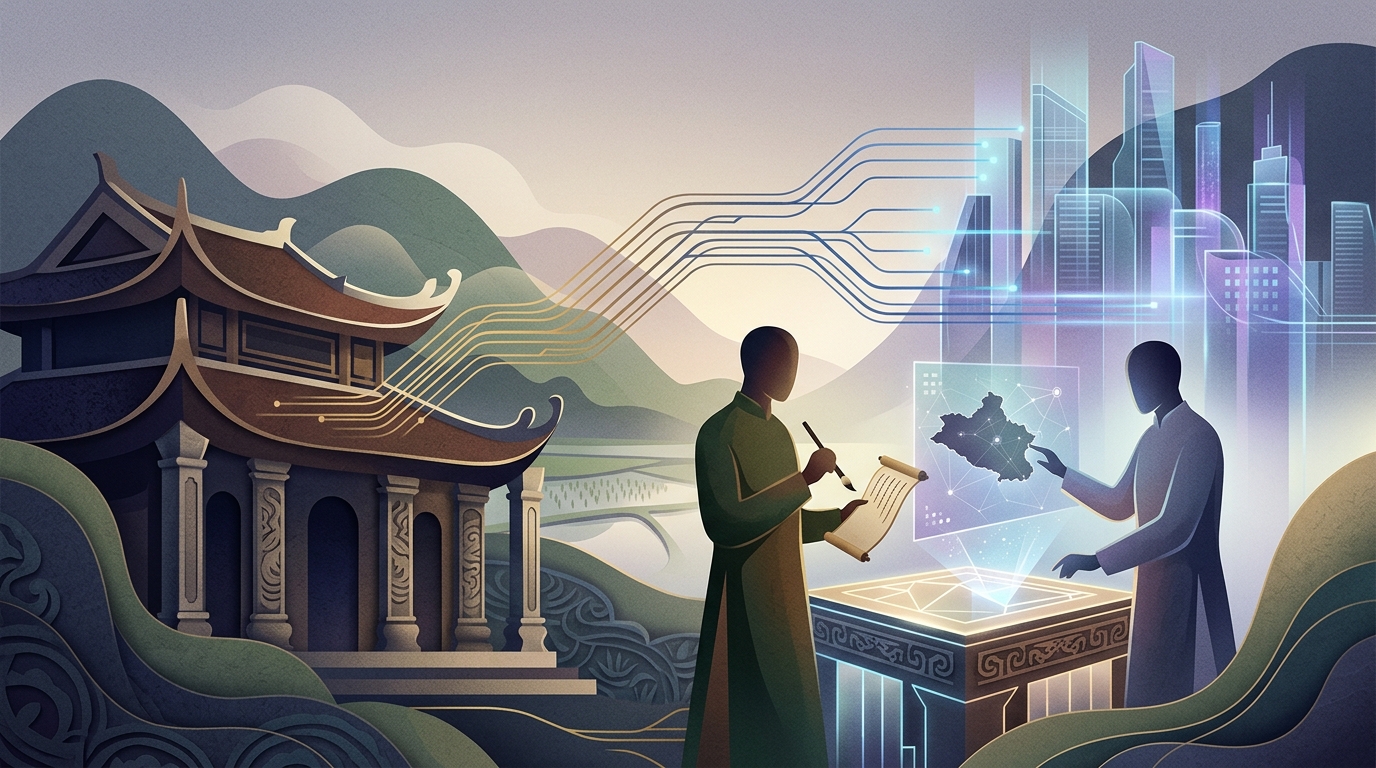
In the heart of Vietnam, within the historic province of Nghe An, tradition and innovation have converged in a way that promises to redefine our relationship with the past. The opening ceremony of the International Summer Camp titled "Artificial Intelligence and Heritage - Connecting the Future" was not merely an educational event; it was a profound statement of intent regarding how emerging technologies can fortify human memory against the relentless decay of time.
The Convergence of Tradition and Technology in Nghe An
The selection of Nghe An, the birthplace of Ho Chi Minh, as the venue for this camp is deeply symbolic. The region stands as a testament to Vietnamese identity and resilience. As Vietnam strives to become a leading force in Southeast Asia's digital economy, integrating Artificial Intelligence (AI) into cultural management has emerged as a strategic priority. The camp brings together students, researchers, and experts from across the globe to develop solutions that utilize machine learning for the digitization and interpretation of historical monuments and intangible traditions.
Participants are tasked with exploring how "Digital Twins" can create precise replicas of ancient temples, protecting them from natural disasters or structural wear. Simultaneously, the potential of Natural Language Processing (NLP) is being harnessed to preserve local dialects and oral traditions that are at risk of extinction. Here, AI does not act as a replacement for the human element but rather as a "digital archivist" with an unprecedented capacity for data processing and pattern recognition.
Vietnam's Strategic Pivot to High-Tech Diplomacy
This initiative is a cornerstone of Vietnam's broader National Digital Transformation Program. The Vietnamese government recognizes that technological sovereignty extends beyond industry and commerce into the realm of cultural diplomacy. Through AI, Vietnam seeks to make its heritage accessible to a global audience, simultaneously boosting tourism and education. The Nghe An camp serves as an ideological laboratory where theory is transmuted into practice through hackathons and design workshops.
Furthermore, this initiative highlights the critical importance of international collaboration. In a world often fractured by technological rivalries, the collective effort to preserve global heritage offers a rare common ground. Participants from diverse nations exchange expertise, proving that AI can serve as a universal language that bridges the gap between yesterday and tomorrow. It is a soft-power move that positions Vietnam as a thoughtful contributor to the global tech discourse.
Challenges and Ethical Dilemmas in Digitizing History
However, the deployment of AI in the cultural sector is not without its complexities. One of the central themes discussed during the camp's opening is the concept of authenticity. Can an algorithm truly capture the "soul" of a masterpiece or the spiritual essence of a sacred site? There is a lingering concern that digital representations might eventually substitute the authentic experience, leading to a "museum-like sterilization" of living traditions.
Moreover, the issue of data sovereignty is paramount. Who controls the digital replicas of a nation's cultural heritage? The necessity for an ethical framework to ensure that technology serves communities—rather than just tech conglomerates—is urgent. Speakers in Nghe An emphasized that AI must be used with profound respect for historical truth and cultural sensitivity, avoiding the oversimplifications or distortions that can arise from biased datasets. The goal is to enhance understanding, not to rewrite history through the lens of an algorithm.
Conclusion: A Bridge to the Future
The International Summer Camp in Nghe An is a beacon for the future. As humanity moves toward an increasingly digitized existence, preserving our roots becomes more critical than ever. Artificial Intelligence, when wielded with wisdom and vision, can become our most powerful ally in this endeavor. Vietnam's initiative sends a clear message: the future does not need to erase the past; it can illuminate it in new and exhilarating ways.
- AI as a tool for the digital restoration of monuments.
- The importance of educating the next generation in both humanities and technology.
- Cultural diplomacy as a vehicle for international cooperation.
- The need for ethical governance of cultural data.
As the opening ceremony concluded, the atmosphere was one of palpable optimism. The young scientists gathered in Nghe An hold more than just code and algorithms in their hands; they hold the keys to preserving the tapestry of human history for the generations yet to come. The dialogue between the ancient and the digital has only just begun.