The story of the Tower of Babel is one of the oldest metaphors for human disconnection. For millennia, learning a foreign language was considered the ultimate passport to understanding the 'other,' an intellectual exercise requiring years of dedication and effort. Today, as real-time translation earbuds and Large Language Models (LLMs) like GPT-4o and Claude 3.5 dissolve linguistic barriers, we face an existential question: Why invest thousands of hours in learning grammar and syntax when a machine in our pocket can do it better, faster, and for free?
The Revolution of Instant Translation
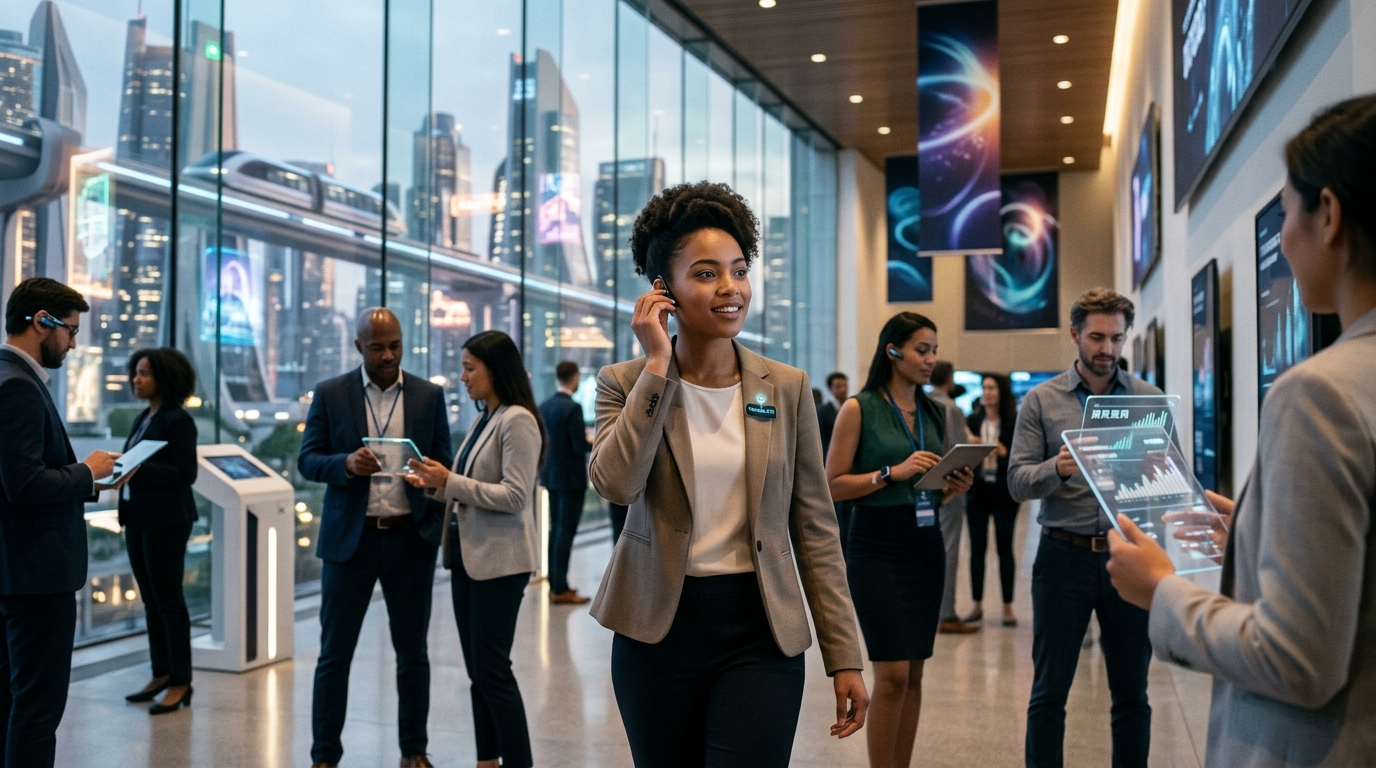
Advances in Natural Language Processing (NLP) have transformed translation from a static word-matching process into a dynamic understanding of context. Modern systems don't just translate words; they perceive idioms, cultural references, and the emotional tone of the speaker. With the advent of multimodal AI, communicating in a foreign country no longer requires even a keyboard. You can speak into your phone, and it can reproduce your voice in fluent Mandarin or Arabic, even maintaining your unique vocal timbre.
This technological convenience creates a new reality for tourism, international trade, and diplomacy. For basic transactions—ordering a meal, booking a hotel, or discussing a standardized contract—AI is already sufficient. The need for 'functional literacy' in a language seems to be waning, as technology fills the gap with impressive precision.
Language: More Than Just Information Transfer
However, linguists and anthropologists warn that language is not merely a code for data transfer. It is a way of perceiving the world. The theory of linguistic relativity (Sapir-Whorf) suggests that the structure of a language influences how its speakers think and perceive reality. When we learn a foreign language, we aren't just adding a tool to our toolkit; we are rewiring our brains.
- Neuroplasticity: Studies show that bilingualism delays the onset of dementia and Alzheimer's symptoms by strengthening the brain's executive functions.
- Cultural Empathy: Understanding the nuances of a language allows access to literature, humor, and the psyche of a people in a way that AI cannot fully replicate.
- Trust and Relationships: In business and personal life, speaking your interlocutor's language without a machine's mediation shows respect and effort, creating a bond that no app can replace.
As Nelson Mandela famously said: 'If you talk to a man in a language he understands, that goes to his head. If you talk to him in his language, that goes to his heart.'
The Future of Language Education
Instead of abolishing language learning, Artificial Intelligence is expected to transform how we learn them. The traditional method of memorizing rules and vocabulary lists is dying. In its place, a new approach is emerging, where AI acts as a personal, infinitely patient tutor. AI-powered applications can simulate real-life scenarios, correct pronunciation in real-time, and adapt the difficulty level to each student's specific needs.
"AI will not replace the need to speak foreign languages, but it will replace the tedious side of learning them," argue many EdTech experts.
In the future, learning a language may no longer be a matter of survival or professional necessity, but a conscious choice for personal growth and cultural immersion. It will be a 'luxury' of human connection in a world dominated by algorithms. The challenge for future generations will be to not let the convenience of technology lead to an intellectual isolationism, where we communicate with the whole world but understand no one deeply.