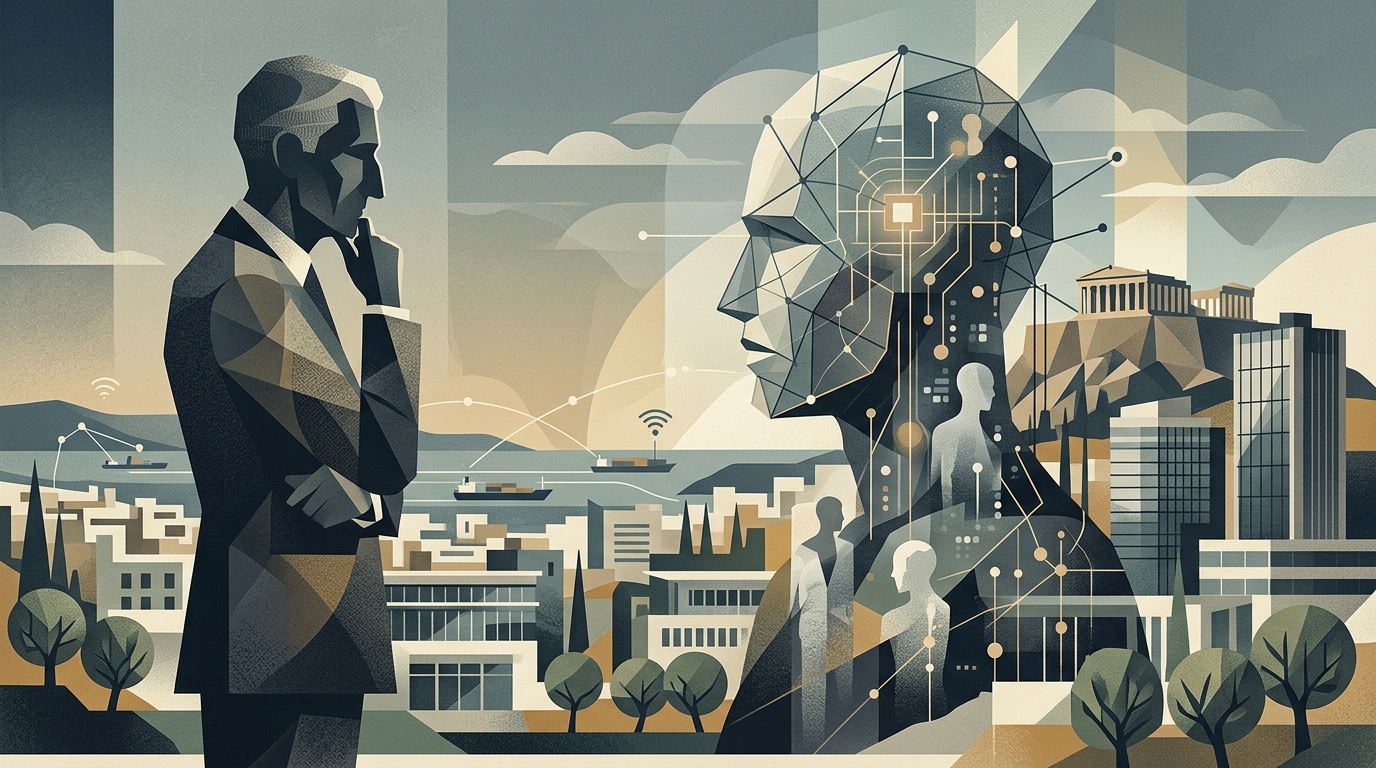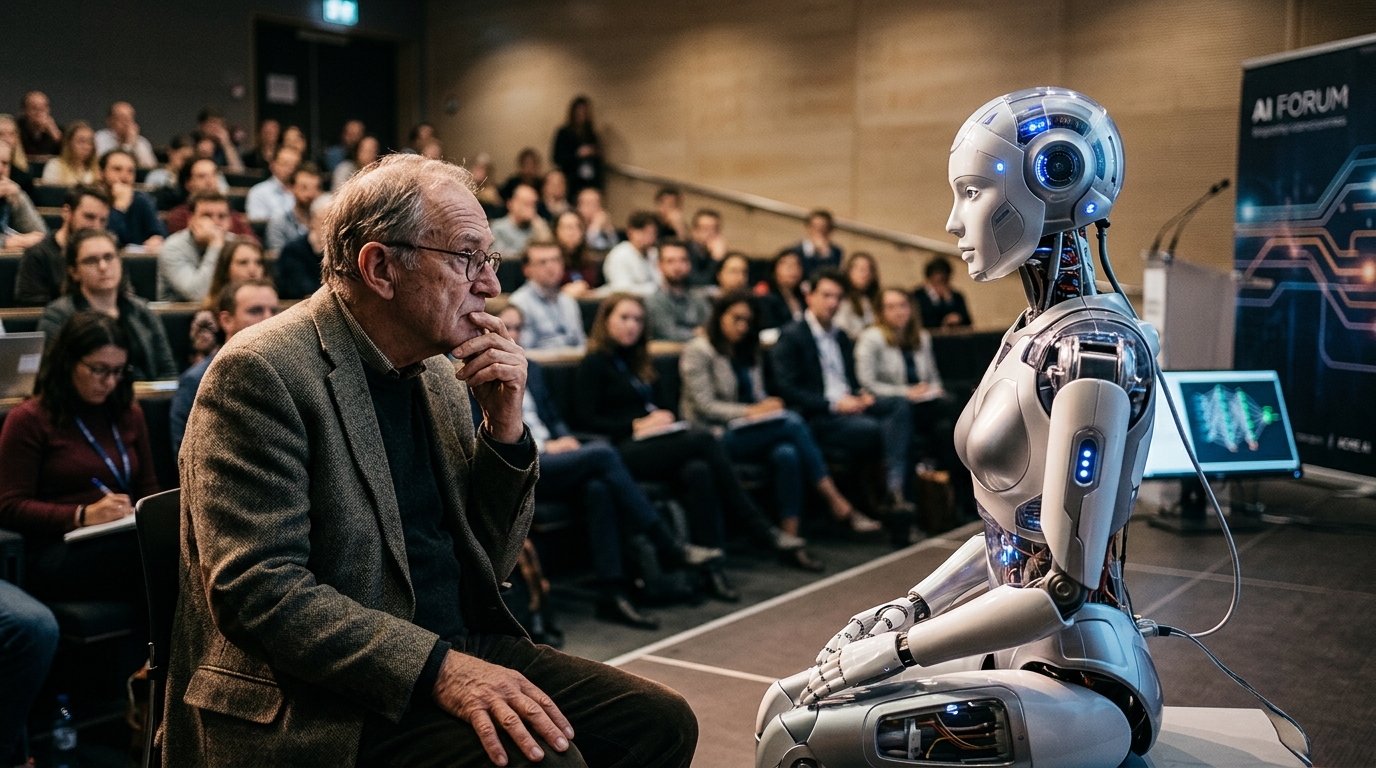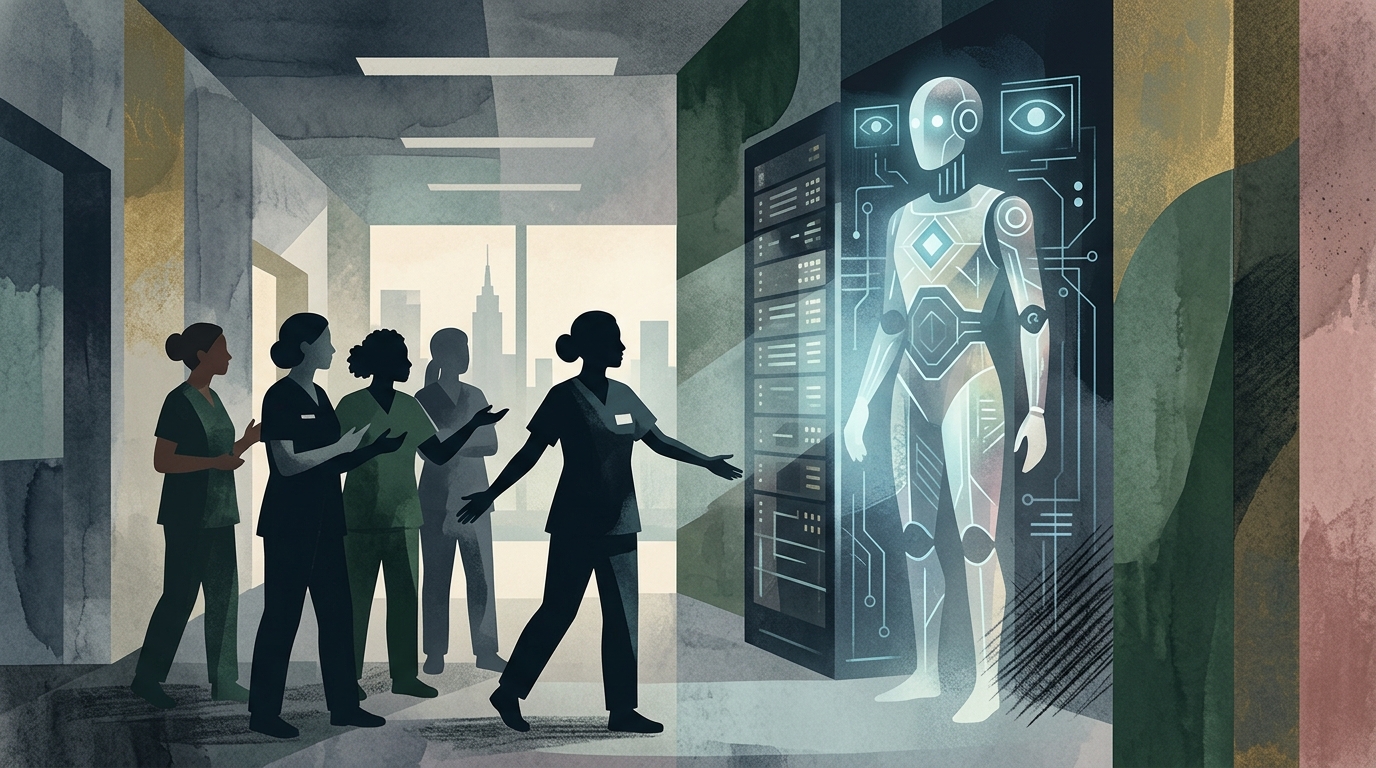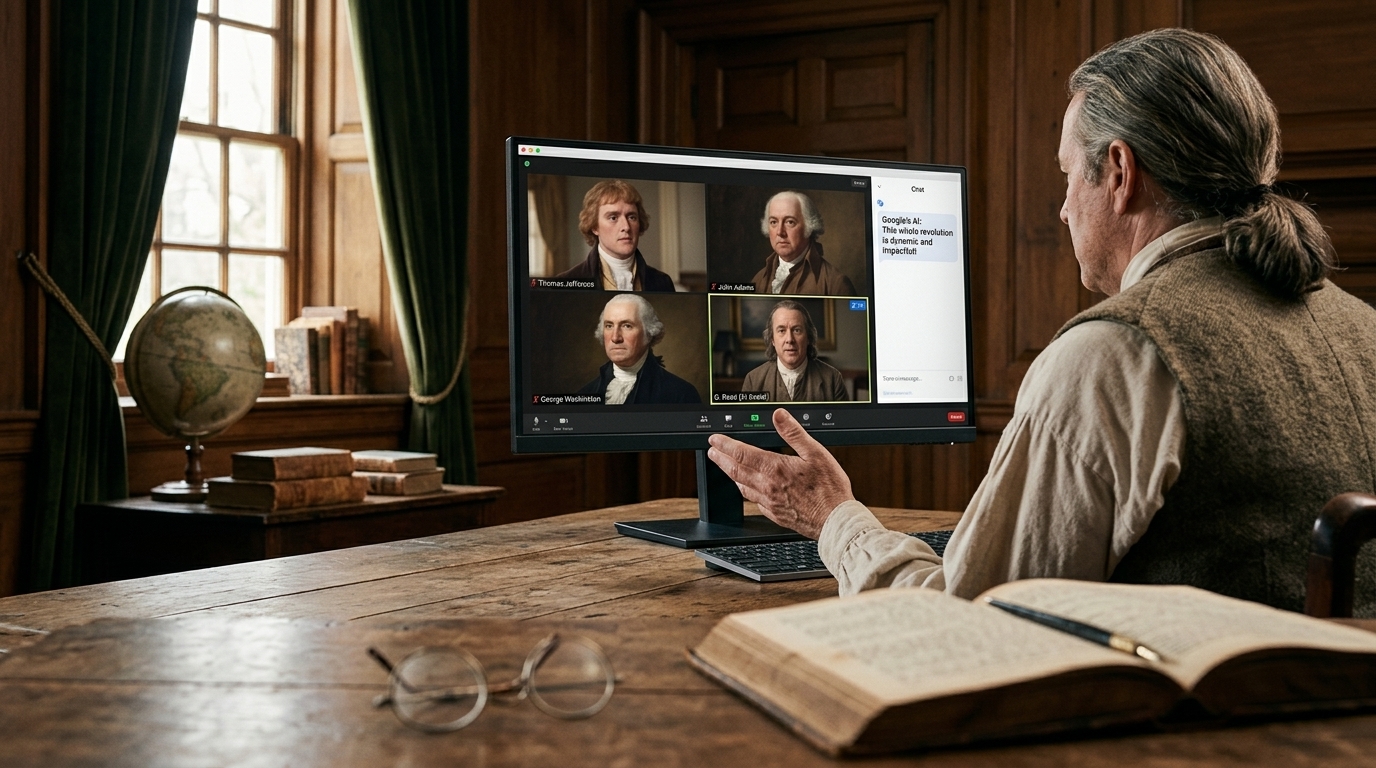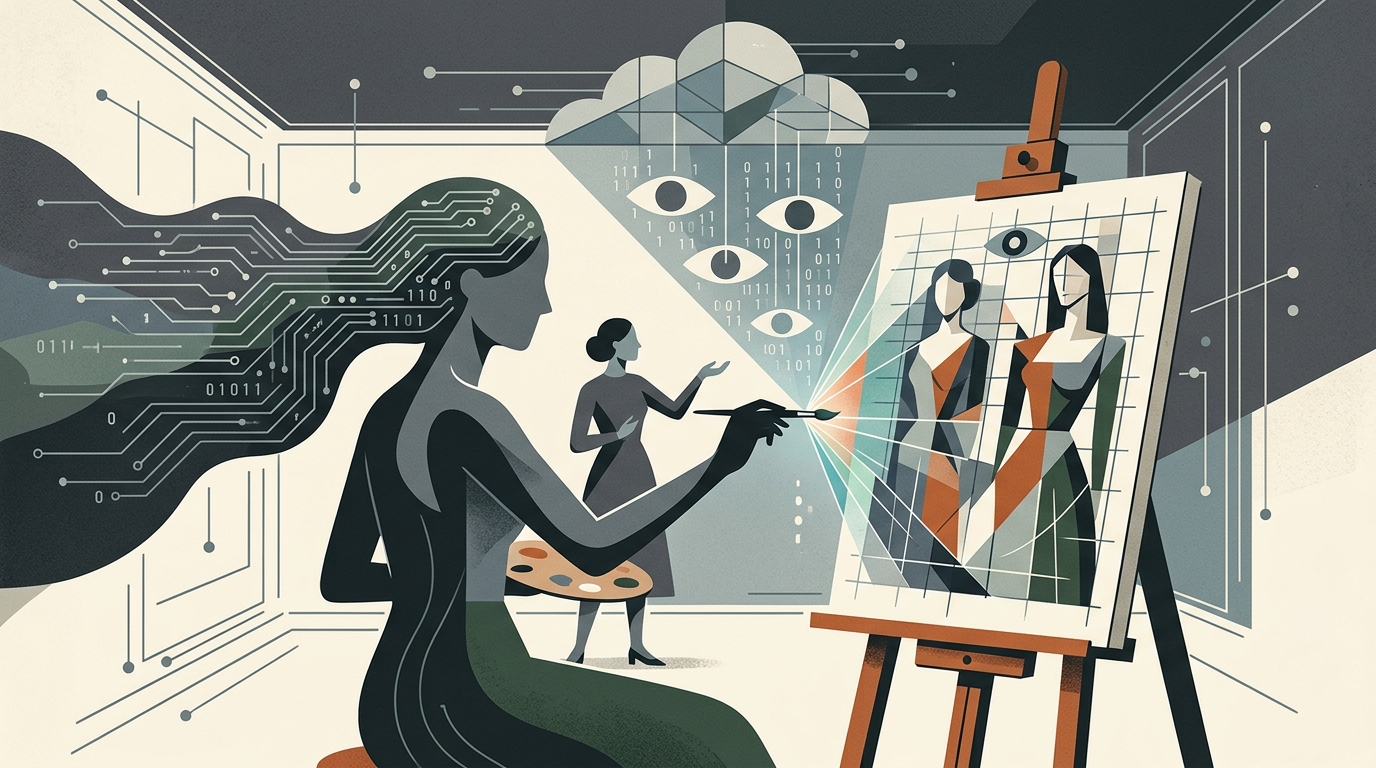
The history of art has been, for centuries, a narrative of exclusions. From the silent female creators of the Renaissance to the marginalized pioneers of Modernism, women have always had to fight for a place in the frame. Today, at the dawn of the era of generative artificial intelligence (AI), this battle is moving from canvases and galleries to databases and code. The promise of democratizing creativity through algorithms is accompanied by a disturbing reality: technology, instead of liberating, often reproduces and crystallizes the patriarchal biases of the past.
The Legacy of Data and Machine Bias
The fundamental problem lies in the datasets on which models like Midjourney, DALL-E, and Stable Diffusion are trained. These models are 'fed' with billions of images from the internet, which carry with them the historical underrepresentation and objectification of women. When a user asks an AI to create an image of a 'great artist' or a 'philosopher,' the results are overwhelmingly male. Conversely, searches involving the female form often slide into beauty stereotypes or sexualized depictions, reproducing what theorist Laura Mulvey famously termed the 'male gaze.'
This algorithmic bias is not merely a technical glitch; it is a cultural regression. Female artists find that their works, although used to train these models without their consent, are often 'drowned' by an ocean of content that favors the aesthetics of the dominant demographics in Silicon Valley. Digital art risks becoming a mirror that reflects only the prejudices of the code's creators.
The Economic Threat and Creative Labor
Beyond the issue of representation, there is the harsh reality of the labor market. Female artists and illustrators hold a large percentage of positions in the freelancing and commercial art sectors. These are the very sectors most affected by automation. The ability of companies to produce visual content at the touch of a button reduces the demand for human labor, pushing prices down and making the sustainability of female creators even more precarious.
- The reduction of commissions for illustrators in publishing houses and magazines.
- The difficulty of protecting intellectual property rights against tech giants.
- The risk of art homogenization due to reliance on algorithmic templates.
Furthermore, the gender pay gap, which already plagues the art world, is threatened with widening. As 'technical skill' is replaced by 'prompt engineering proficiency,' the power structures that control the technology gain the upper hand in wealth distribution. This shift could push many women out of the creative industries entirely if protective measures are not implemented.
Art as Resistance: Reclaiming the Algorithm
However, the picture is not entirely bleak. A new generation of female artists is using artificial intelligence as a tool for critique and subversion. Creators like Stephanie Dinkins, who focuses on 'AI from the perspective of Black women,' show that code can become a field of resistance. These artists train their own models, using alternative archives and personal narratives, challenging the 'objectivity' of the big tech corporations.
"We cannot leave the future of our memory and our aesthetics in the hands of a few programmers. We must get our hands dirty with the code to make it speak our own language," says a contemporary digital media creator.
The challenge for the 21st century is the creation of an 'ethical aesthetic.' This requires transparency in training data, fair compensation for artists whose work fuels the machine, and above all, a conscious effort on the part of developers to deconstruct embedded biases. Art has always been the mirror of society; if the mirror is now algorithmic, we must ensure it does not distort half of humanity.
Conclusion
The age of algorithms is not the end of female creativity, but a critical crossroads. The challenges are deep and structural, touching both economics and identity. But just as the Guerrilla Girls shook the foundations of museums in the 1980s, today's digital creators are called to 'hack' the system. The art that will survive and matter in the future will be that which manages to remain deeply human, inclusive, and unpredictable, against the uniformity of the algorithm.