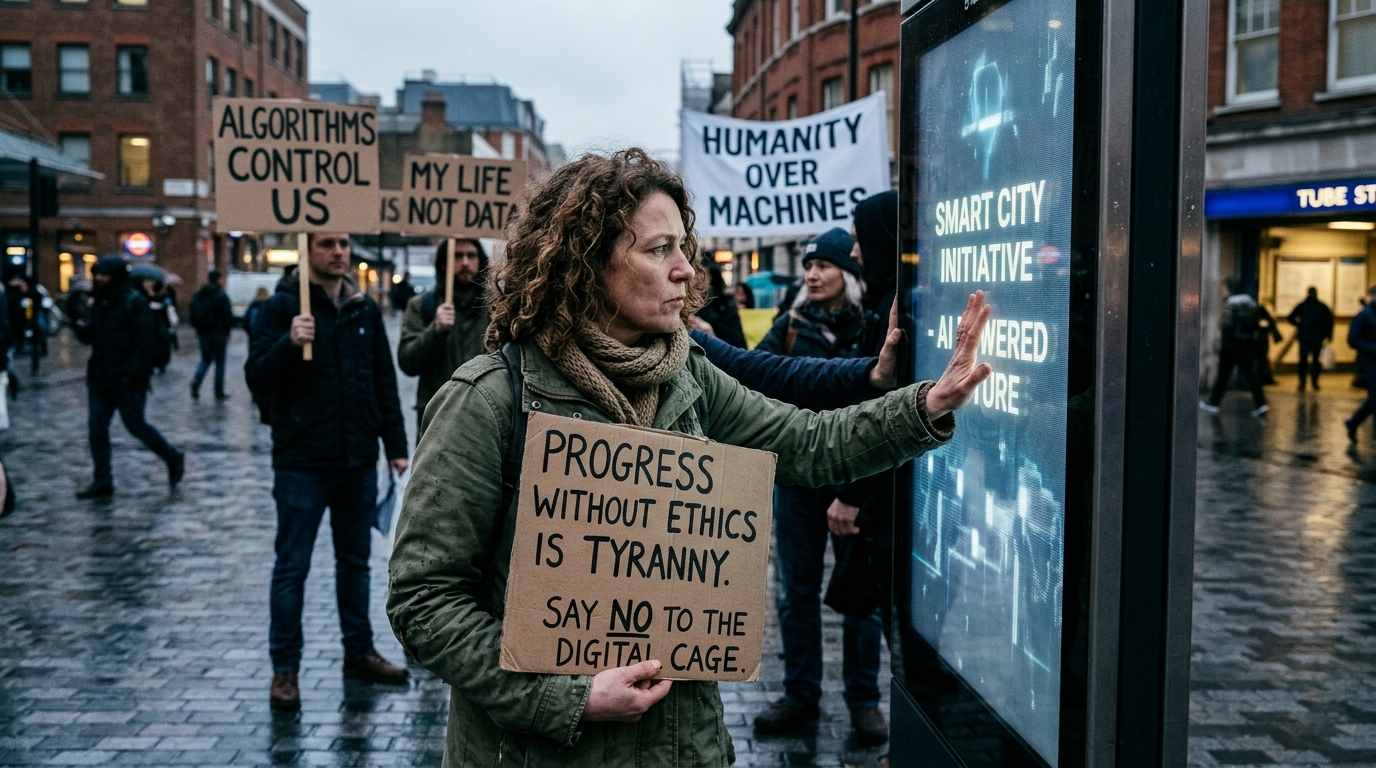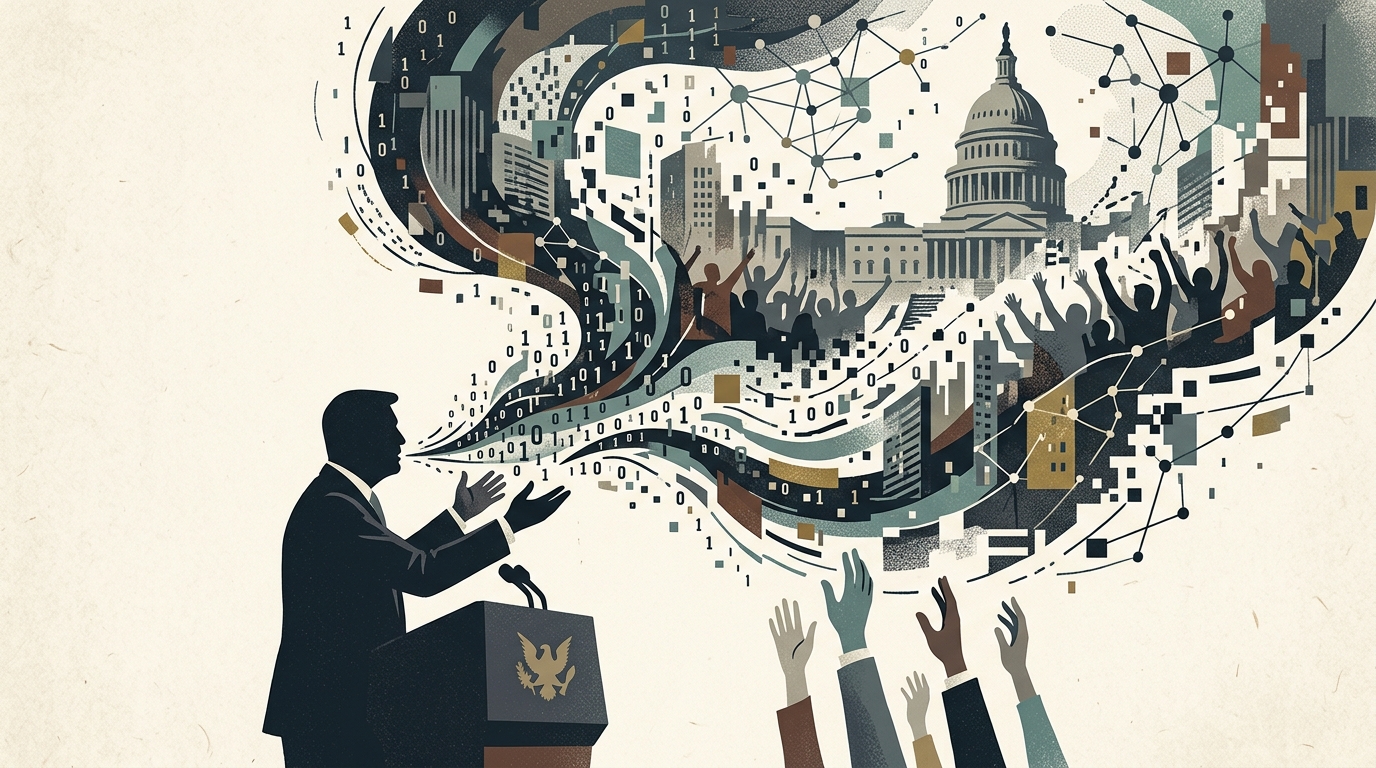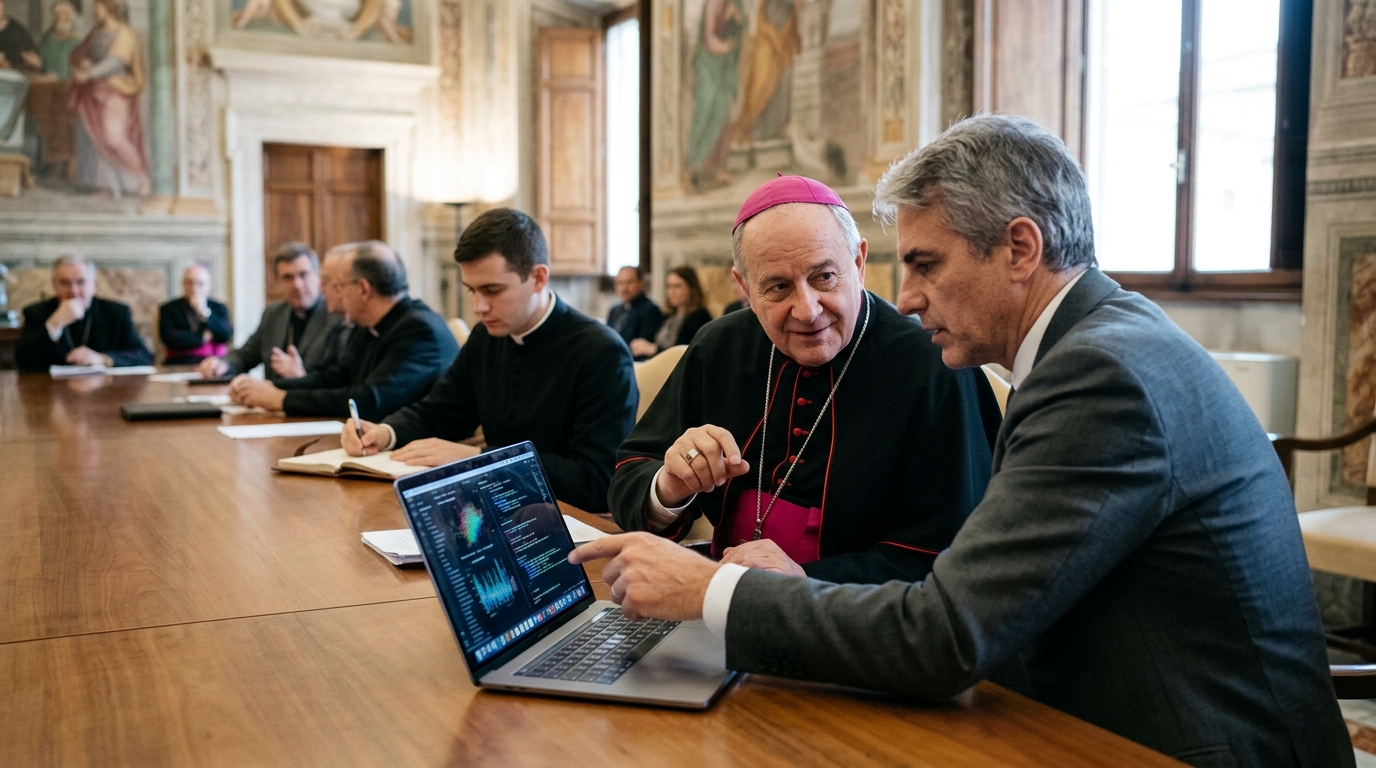
In a historic move bridging the gap between ancient spiritual tradition and cutting-edge technology, the Vatican has announced the creation of an official commission dedicated to Artificial Intelligence (AI). This initiative, stemming from the need for an ethical "navigator" in the rapidly evolving digital age, is not merely a bureaucratic addition but a strategic intervention in the global dialogue regarding the future of humanity.
The Holy See, under the guidance of Pope Francis, has long recognized that AI is not just a tool but a transformative force affecting social structures, the economy, and the very concept of human identity. The new commission is expected to function as an observatory and advisory body, focusing on what the Vatican calls "algor-ethics."
The Concept of Algor-ethics: Ethics in the Code
The term "algor-ethics," coined by officials of the Pontifical Academy for Life, is the cornerstone of the Vatican's approach. The new commission will examine how algorithms can be designed to respect fundamental human rights. The central question is not whether the technology is "good" or "bad," but how decisions made by machines can remain under the supervision of human conscience.
The commission will place particular emphasis on algorithmic transparency, the avoidance of bias, and the protection of the most vulnerable social groups. In a world where automated decisions determine everything from loan approvals to access to healthcare, the Vatican argues that the absence of an ethical framework can lead to new forms of social exclusion.
"Artificial intelligence must serve the common good and not become a tool for domination or marginalization," Pope Francis has repeatedly stated.
Warfare and Autonomous Weapons: A Critical Red Line
One of the most pressing issues the new commission will address is the use of AI in armed conflict. The Vatican has expressed grave concern over Lethal Autonomous Weapons Systems (LAWS), which have the capability to select and strike targets without human intervention. The Holy See's position is clear: the responsibility for life and death can never be delegated to an algorithm.
The commission will collaborate with international organizations and governments to promote treaties that limit the use of AI in military applications. This diplomatic dimension of the commission highlights the Vatican as a moral mediator at a time when major powers, such as the US and China, are in a relentless competition for technological supremacy.
Collaboration with Tech Giants
The establishment of the commission is not an isolated act. It follows the "Rome Call for AI Ethics," a document signed in 2020 by giants such as Microsoft and IBM, as well as UN representatives. The new commission will serve as the mechanism to put these commitments into practice.
Through this collaboration, the Vatican seeks to influence Silicon Valley's culture, introducing concepts like "inclusion" and "accountability" into the core of software development. This is not an attempt to stifle innovation but an effort to humanize it. The commission will include not only theologians and philosophers but also computer scientists, sociologists, and legal experts, ensuring a multidisciplinary approach.
The Digital Divide and Human Dignity
Finally, the commission will focus on the issue of global inequality. Artificial intelligence threatens to widen the gap between developed and developing nations. The Vatican, with its global reach, wants to ensure that the benefits of AI are accessible to all and that the technology is not used to exploit the world's poorest regions.
In conclusion, this move by the Vatican marks a new era for the Church. In a world that idolizes speed and efficiency, the Holy See reminds us that progress without an ethical compass is a dangerous journey into the unknown. The AI commission is Rome's attempt to ensure that, at the dawn of the digital revolution, humanity remains at the center of creation.