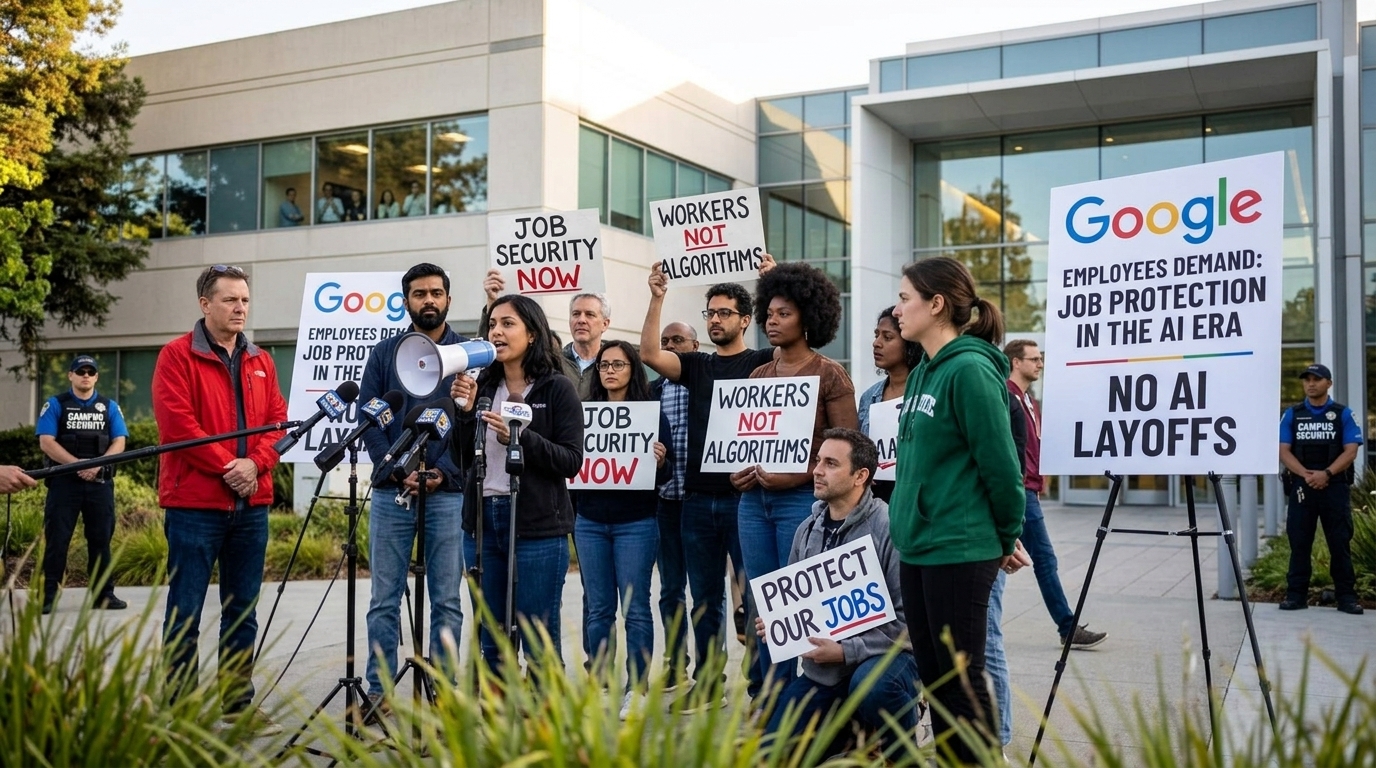
In the wake of the technological euphoria that defined the mid-2020s, a new, more somber narrative is beginning to emerge. The term 'The Great AI Lie' is no longer just a slogan for skeptics; it has become a documented warning from those tasked with using these tools in life-or-death situations. Recent analysis regarding the implementation of AI in fire and rescue services (highlighted by FireRescue1) brings to light a truth that Silicon Valley corporations have diligently tried to obscure: artificial intelligence, in its current form, is often unreliable, unpredictable, and potentially dangerous when applied to critical infrastructure.
The Gap Between Promise and Reality
For years, the promises made by developers were grandiose. We were told that AI could predict fire spread with split-second accuracy, optimize ambulance routes through chaotic traffic, and analyze real-time sensor data to locate people trapped in buildings. However, data from the field paints a different picture. The 'hallucinations' of large language models and the instability of predictive algorithms are not merely technical glitches; they are public safety hazards.
When a firefighter relies on an AI analysis suggesting a building is structurally sound, and that analysis is based on incomplete or poorly trained data, the result can be fatal. The 'lie' lies in presenting these tools as turnkey solutions when, in reality, they are still in an experimental stage that should be confined to controlled environments.
The Data Trap and the 'Black Box'
One of the central issues pointed out by ethics experts is the lack of transparency in training data. Most algorithms marketed to public agencies are proprietary. This means fire chiefs or emergency management directors have no access to how the system arrived at a specific decision. This 'black box' logic directly contradicts the principles of accountability that govern emergency services.
- Data Bias: Many models are trained on data from urban environments, making them inaccurate for rural or wildland areas with different geomorphology.
- False Sense of Security: Over-reliance on technology can lead to the atrophy of critical thinking skills among first responders.
- Maintenance Costs: Public resources are being drained by expensive software subscriptions that require constant human oversight to correct AI errors.
"AI cannot replace the instinct a rescuer develops after twenty years in the field. To suggest otherwise is not just arrogant; it is criminal," says a veteran of the service.
Ethical Implications and the Need for Regulation
As we move into the second half of 2026, the conversation is shifting from "what AI can do" to "what AI should be allowed to do." The European AI Act has already begun categorizing applications in emergency services as 'high-risk.' However, pressure from tech lobbies remains strong. The 'Great AI Lie' is sustained by the need for continuous growth and profitability, often at the expense of ethical integrity.
The solution is not the complete rejection of technology but its demystification. Frontline services need tools that augment human judgment, not replace it. We need 'Explainable AI' (XAI), where every prediction is accompanied by a clear justification and a margin of error. Only then can we bridge the gap and turn the 'lie' into a useful, albeit limited, truth.
Conclusion: Returning to the Human Element
Ultimately, public safety cannot be left in the hands of an algorithm that does not understand the value of human life. Experience from the front lines confirms that technology must remain a servant to humanity, not the other way around. The 'Great AI Lie' has taught us that blind faith in innovation is a luxury that emergency services simply cannot afford.