It is June 2026, and the discussion that began tentatively a few years ago has now transformed into an existential cry for modern society. Artificial Intelligence is no longer a promising technology of the future; it is the central fabric upon which our daily lives are woven. However, the traditional structures of the "social contract," as we have known them since the Enlightenment and the Industrial Revolution, seem powerless to handle the speed and magnitude of the changes brought about by the algorithmic revolution.
The Labor Crisis and the Productivity-Wage Decoupling
The first and perhaps most significant rift in the old social contract is found in the labor market. For decades, the deal was simple: citizens offer their labor, receive a wage that allows for living and consumption, and the state collects taxes to provide social welfare. AI upends this balance. Automation is no longer just about manual tasks; it concerns creative and cognitive work as well.
- The replacement of jobs by AI agents reduces the bargaining power of workers.
- Productivity is skyrocketing, but profits are concentrated in fewer and fewer hands, primarily the owners of compute resources and data.
- Traditional labor taxation is becoming insufficient to fund the welfare state.
A new social contract must redefine the concept of "contribution." If labor is no longer the primary means of wealth distribution, then solutions like Universal Basic Income (UBI) or the taxation of "AI capital" (robot tax) must be considered.
Algorithmic Accountability and Digital Citizenship
The second pillar of the new agreement concerns power. In the past, the social contract protected the citizen from the arbitrariness of the state. Today, the danger stems from the "black box" of algorithms that decide on hiring, bank credits, and even the administration of justice. The lack of transparency creates a new form of digital feudalism, where platforms own our data and control the information we consume.
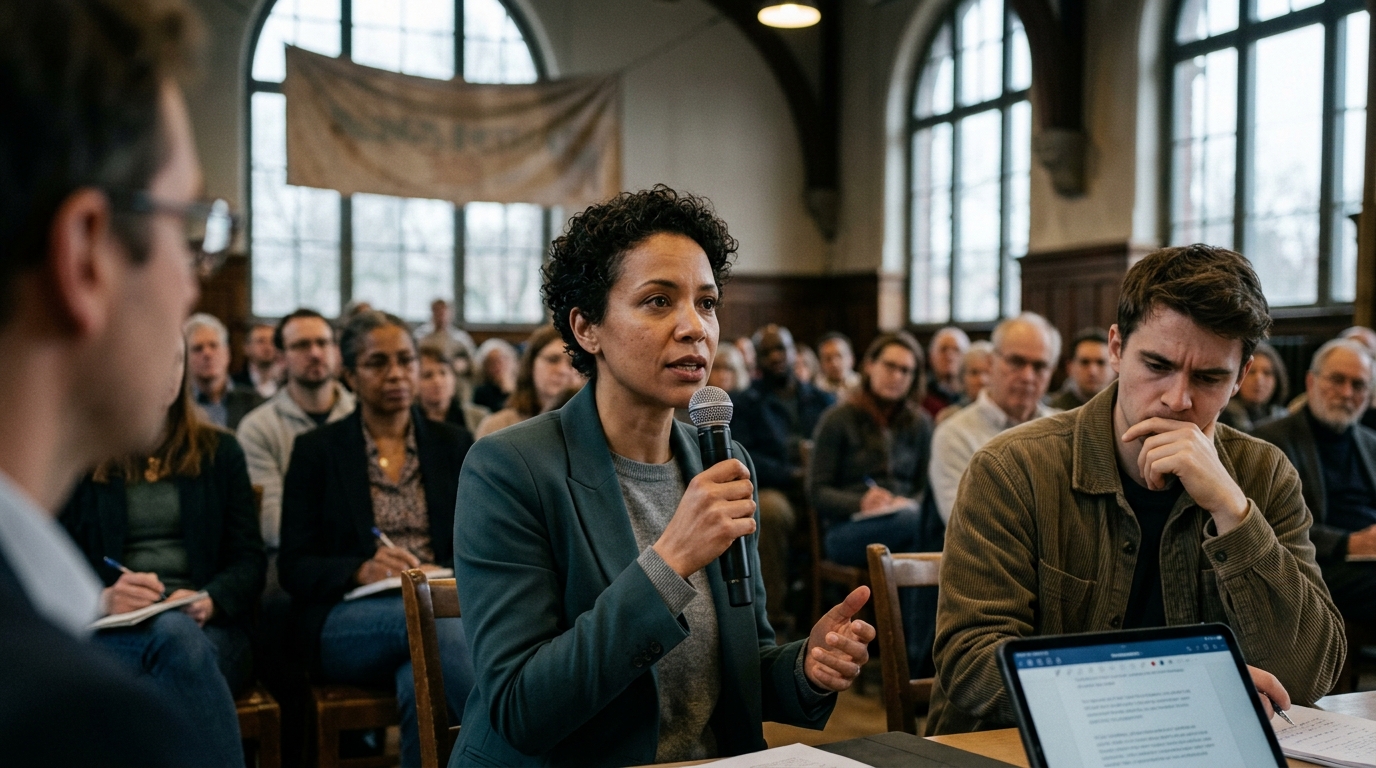
"We cannot have a democratic society when decisions affecting citizens' lives are made by opaque systems without the possibility of appeal or explanation," state ethics experts at the European Commission.
The new agreement must establish the right to "human intervention" and data transparency. The citizen of 2026 is no longer just a voter, but also a data producer, and as such, must have a say in the management of the collective intelligence generated from their information.
Education as a Public Good in the Age of Super-Intelligence
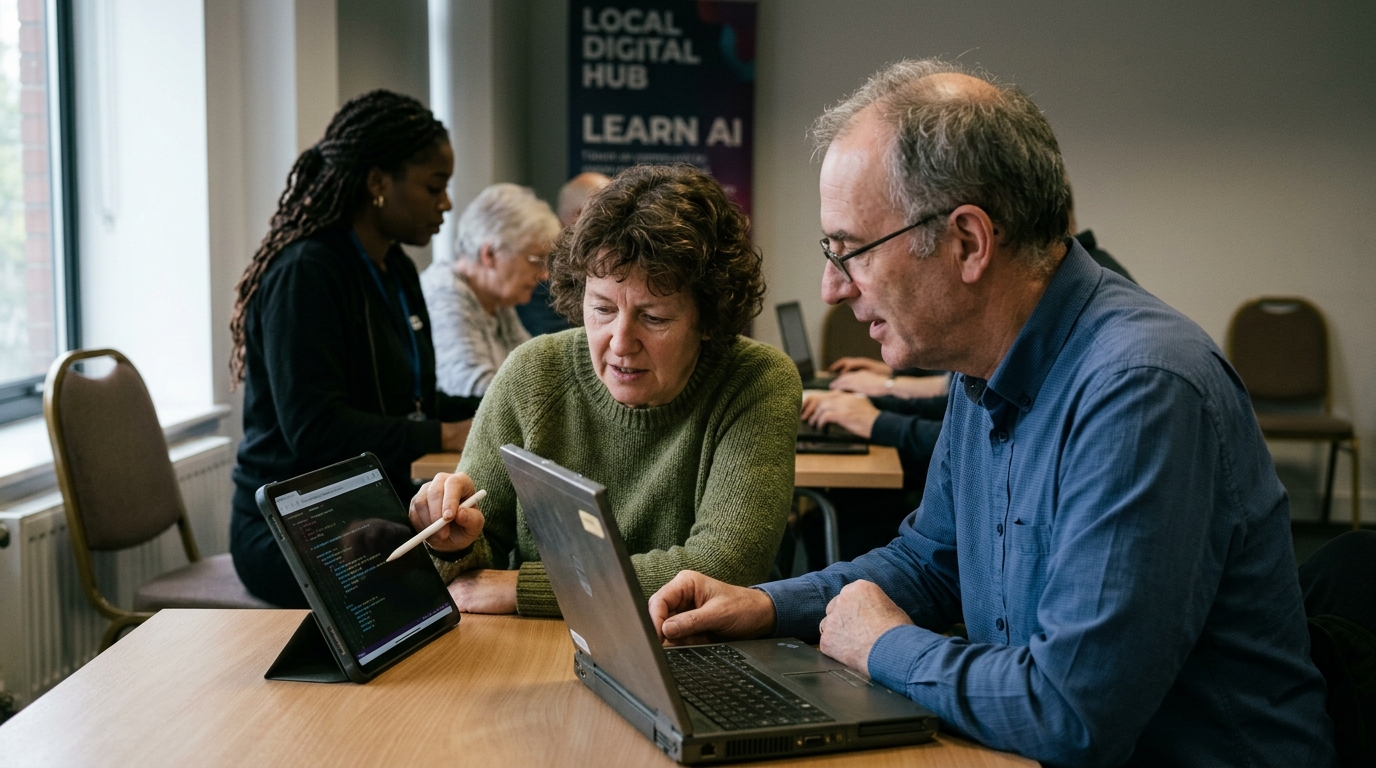
Finally, the new social contract must include a radical overhaul of education. Knowledge is no longer a static repository of information but a dynamic ability to collaborate with the machine. The state must guarantee access to lifelong learning. If access to advanced AI remains a privilege of the few, social inequality will take on biological dimensions, splitting humanity into those "enhanced" by technology and those left behind.
In conclusion, the new social contract is not a luxury; it is a necessity for survival. It requires courage from political leaders to clash with powerful interests and foresight from citizens to demand their digital rights. Technology is the tool, but social cohesion is the goal.