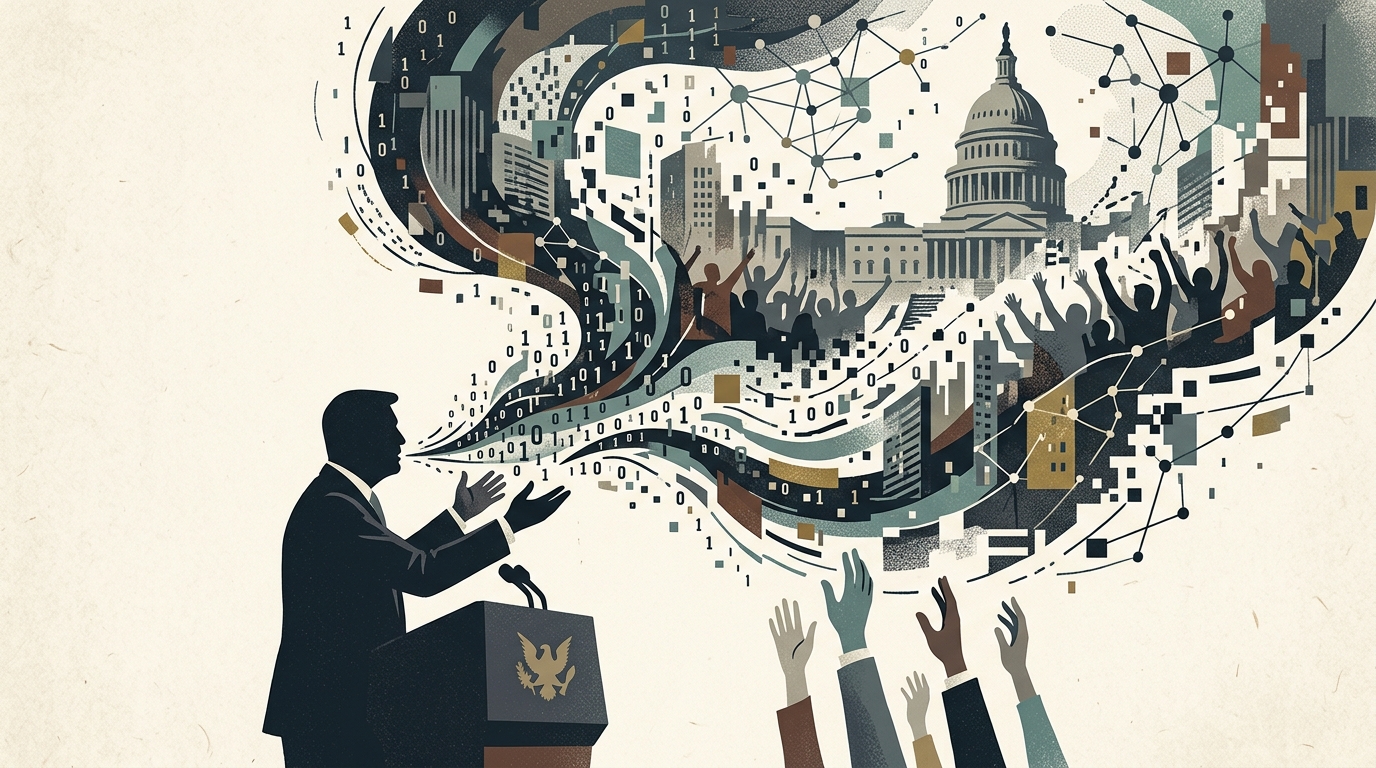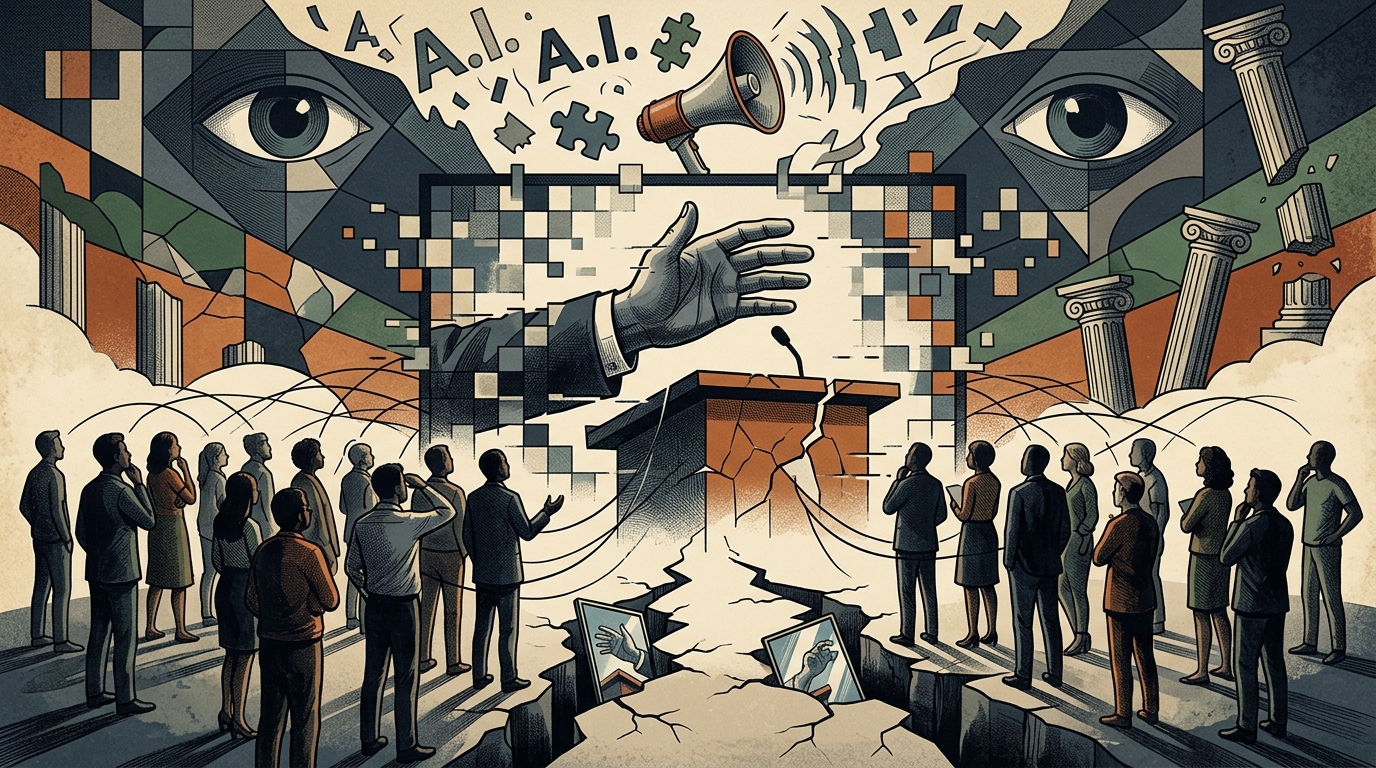
The integration of Artificial Intelligence (AI) into clinical practice is no longer a futuristic trope; it is a present reality reshaping diagnostics, treatment pathways, and patient management. However, as algorithms assume increasingly pivotal roles, profound ethical questions surface. Utilizing the metaphor of the seven deadly sins, healthcare ethics experts are sounding the alarm on pitfalls that could transform a life-saving tool into a source of systemic injustice and clinical error.
The Hubris of Algorithmic Infallibility
"Pride" (Hubris) in healthcare AI manifests as an overestimation of machine learning capabilities at the expense of clinical expertise. There is a growing, dangerous assumption that data "speaks for itself" and that raw computational power can supersede a holistic understanding of a patient’s unique context. When developers and healthcare providers treat an algorithm as infallible, they cease to question its outputs, often leading to erroneous diagnoses rooted in biased data sets.
Closely linked is "Sloth," which in the digital health sphere translates to "automation bias." This occurs when healthcare professionals blindly accept AI recommendations to reduce cognitive load. This intellectual lethargy can lead to the atrophy of clinical intuition, leaving the healthcare system perilously vulnerable during technical failures or cyber-attacks. If a physician loses the ability to diagnose without a digital crutch, the fundamental safety net of medicine is compromised.
Data Greed and Resource Gluttony
"Greed" and "Gluttony" describe the problematic ways technology firms and health organizations handle patient data. The voracious collection of personal information without clear utility or informed consent mirrors gluttony, where data volume is pursued as an end in itself. Greed, conversely, appears when profit motives eclipse patient welfare. The commercialization of medical records to train proprietary AI models often happens without returning tangible value to the patient communities from whom the data was extracted, eroding public trust.
- Transparency: The demand for Explainable AI (XAI) is critical to dismantle the "black box" phenomenon in clinical settings.
- Equity: Algorithms must undergo rigorous auditing to identify and mitigate racial, gender, and socioeconomic biases.
- Accountability: A clear legal framework is needed to determine liability when an algorithm causes harm—whether it rests with the doctor, the developer, or the institution.
Envy and Wrath: The Societal Fallout
"Envy" in the AI sector manifests through the hyper-competitive race between nations and tech titans for healthcare dominance. This competition often results in proprietary "silos" that prevent data interoperability, hindering global medical progress. "Wrath" can be interpreted as the punitive application of AI—for instance, insurance companies utilizing predictive modeling to identify and exclude high-risk individuals from coverage, effectively creating a new class of "digitally disenfranchised" citizens.
"Ethics in Artificial Intelligence is not a barrier to innovation; it is the essential compass ensuring that technology serves humanity, rather than the other way around."
To avoid these metaphorical sins, we require more than just the European Union’s AI Act; we need a fundamental shift in medical education. Future clinicians must be trained not only to operate AI tools but to critically deconstruct them. Maintaining a human-centric approach is the only way to ensure that the Hippocratic Oath remains relevant in an era of silicon-based decision-making. The goal is to augment the human touch, not to automate it out of existence.