The entertainment industry stands at a critical juncture as the echoes of the recent SAG-AFTRA deal continue to send tremors through the foundations of Hollywood. While union leadership hailed the contract as a landmark victory against the unchecked use of Artificial Intelligence (AI), a growing faction of actors and analysts are expressing profound reservations. The issue is no longer just whether a digital avatar can replace a live performance, but how this technological transition will dismantle the social safety net that has sustained artists for decades.
Digital Replication and the Consent Trap
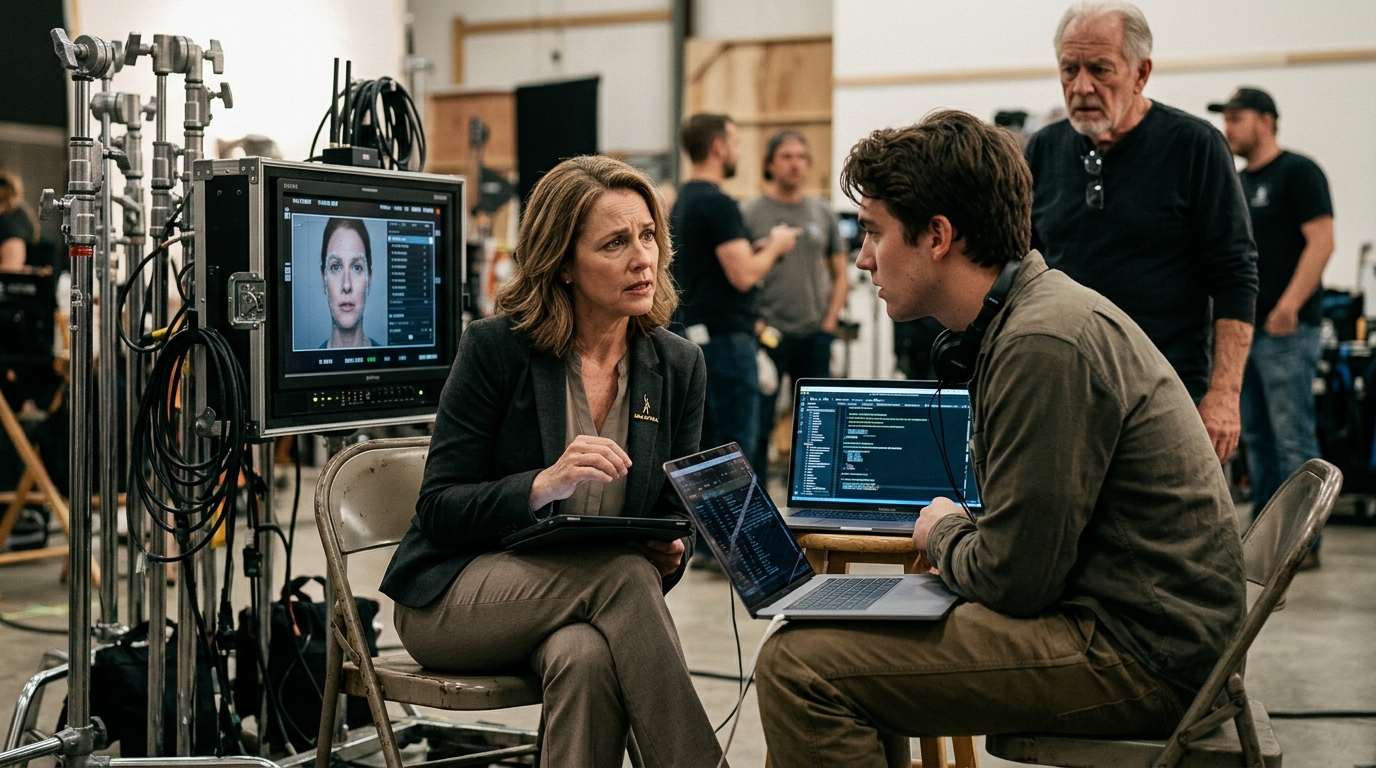
At the heart of the controversy lies the definition of "digital replicas." The agreement distinguishes between employment-based replicas and independent digital replicas. Although the contract requires the "clear consent" of the actor for the creation and use of their digital self, many fear that in practice, this consent will become a prerequisite for hiring. A young actor, faced with the prospect of a major breakthrough opportunity, is unlikely to refuse granting digital rights to a studio.
Furthermore, the ethical dimension of the "posthumous" use of an artist's likeness remains murky. Despite safeguards for control by heirs, the industry appears to be moving toward a model where human presence is expendable, while the digital asset remains eternal. The concern is that studios will build libraries of digital actors, drastically reducing job opportunities for supporting players and background actors, who form the backbone of the union's membership.
The Pension Deficit: The Invisible Threat
Perhaps the most pressing issue, often escaping public scrutiny, is the impact of AI on pension and health funds. The Hollywood system relies on contributions paid per day of work by a real human being. When a studio uses a digital replica instead of a live actor, these contributions are jeopardized. The deal provides for some compensation for AI use, but these payments do not always equate to the full contributions a physical presence on set would generate.
If productions begin to rely on "synthetic performers"—characters not based on any specific human—the problem escalates. These digital characters do not need pensions or healthcare, and studios are not obligated to pay into union funds for them. This could lead to a financial hemorrhage of the funds, leaving thousands of veteran actors without necessary support in their later years. It is a classic case where technological efficiency clashes with social sustainability.
Rank-and-File Backlash and the Future of Work
Many actors, such as Justine Bateman, have sharply criticized the deal, arguing that it opens the floodgates for the full automation of acting. The criticism focuses on the fact that AI is not merely a tool but a competitor that does not tire, strike, or age. A sense of betrayal is palpable in some circles, with members feeling that SAG-AFTRA leadership underestimated the long-term threat of Generative AI.
"We are not just negotiating wages; we are negotiating the survival of human creativity as a viable profession," a union member noted.
In conclusion, the SAG-AFTRA deal is an experiment in progress. While it offers some protection, its gray areas remain dangerous. The industry must decide whether it will use AI to enhance human expression or to replace it with cheap digital substitutes. The future of actor pensions will be the first indicator of whether this transition will occur on terms of fairness or if the human element will be sacrificed at the altar of algorithmic profit.