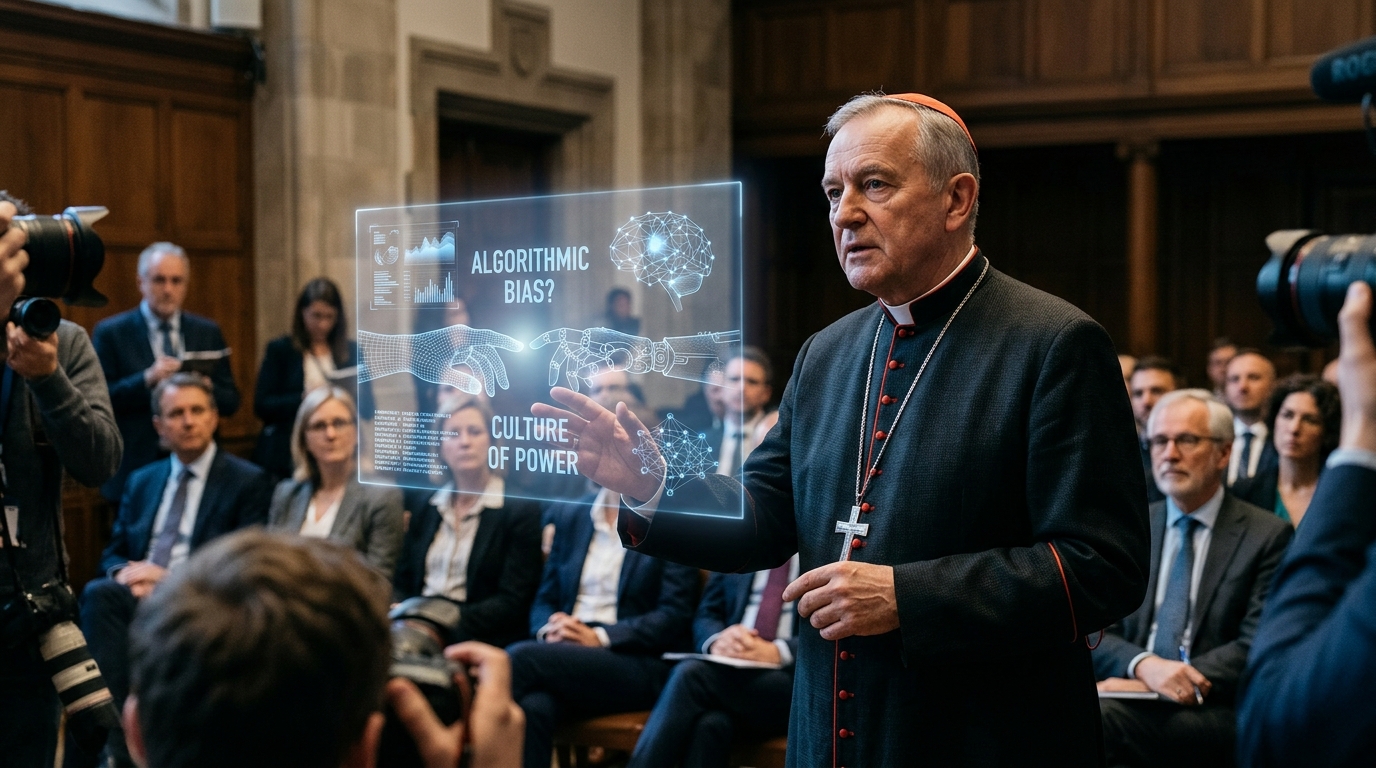
In an era where technological progress is frequently conflated with moral advancement, Pope Leo utilized the Vatican's global platform to launch a searing critique against what he termed a “culture of power.” During his address at an international symposium on the ethics of technology, the Pontiff argued that the current trajectory of Artificial Intelligence (AI) is driven not by a desire for the common good, but by an insatiable thirst for dominance and control.
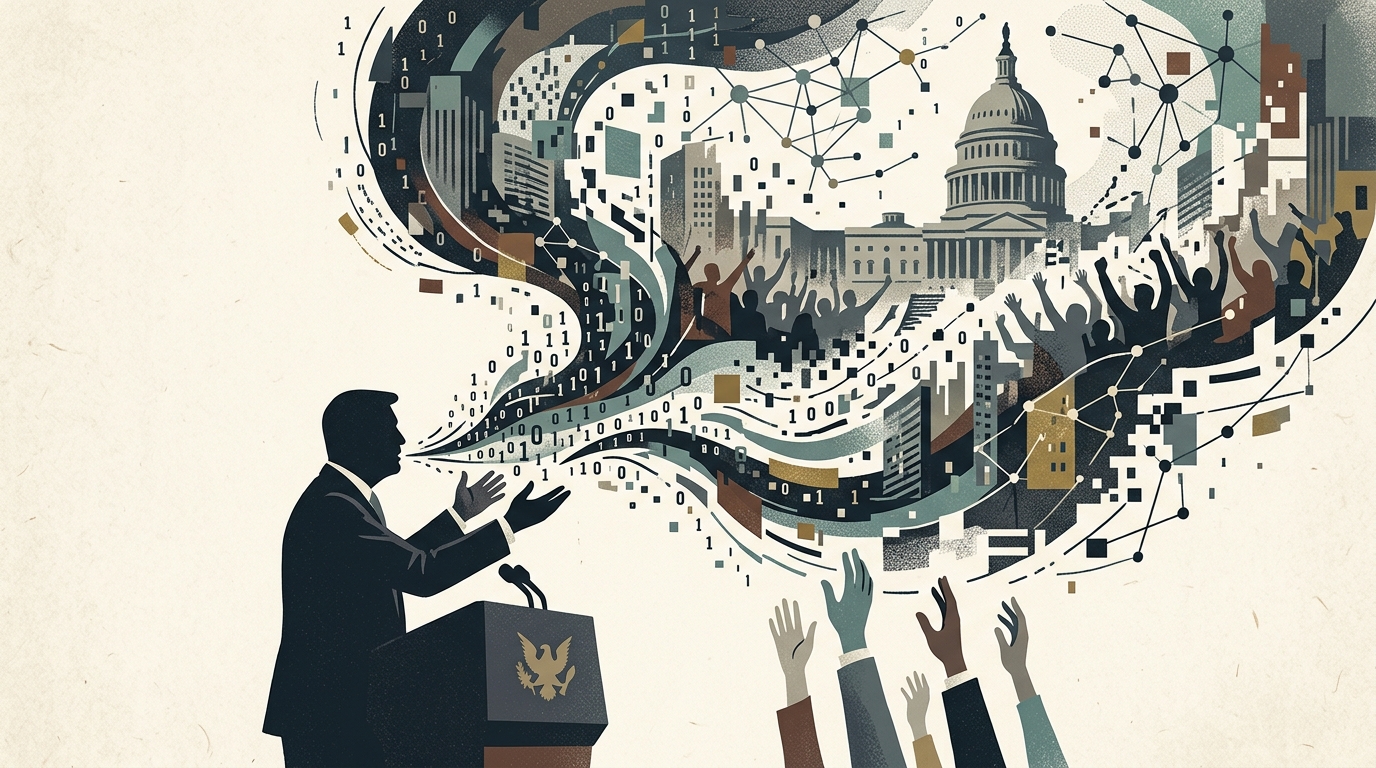
This intervention, delivered in May 2026, is far more than a theological musing. It serves as a potent political and social warning regarding the concentration of data and computational power in the hands of a select few. Pope Leo emphasized that AI risks devolving from a tool of liberation into a mechanism of neo-colonialism, where algorithms dictate the fates of entire nations without a shred of democratic legitimacy.
The Trap of the Technocratic Paradigm
At the heart of the Pope’s critique lies the “technocratic paradigm”—a worldview that perceives the world and humanity as mere data points to be processed and optimized. According to the Pontiff, the logic of profit maximization and efficiency often sidelines human dignity. “When a machine decides who is eligible for healthcare, who deserves a loan, or who is deemed a threat, we have surrendered the soul of our society to a cold, unfeeling code,” he remarked.
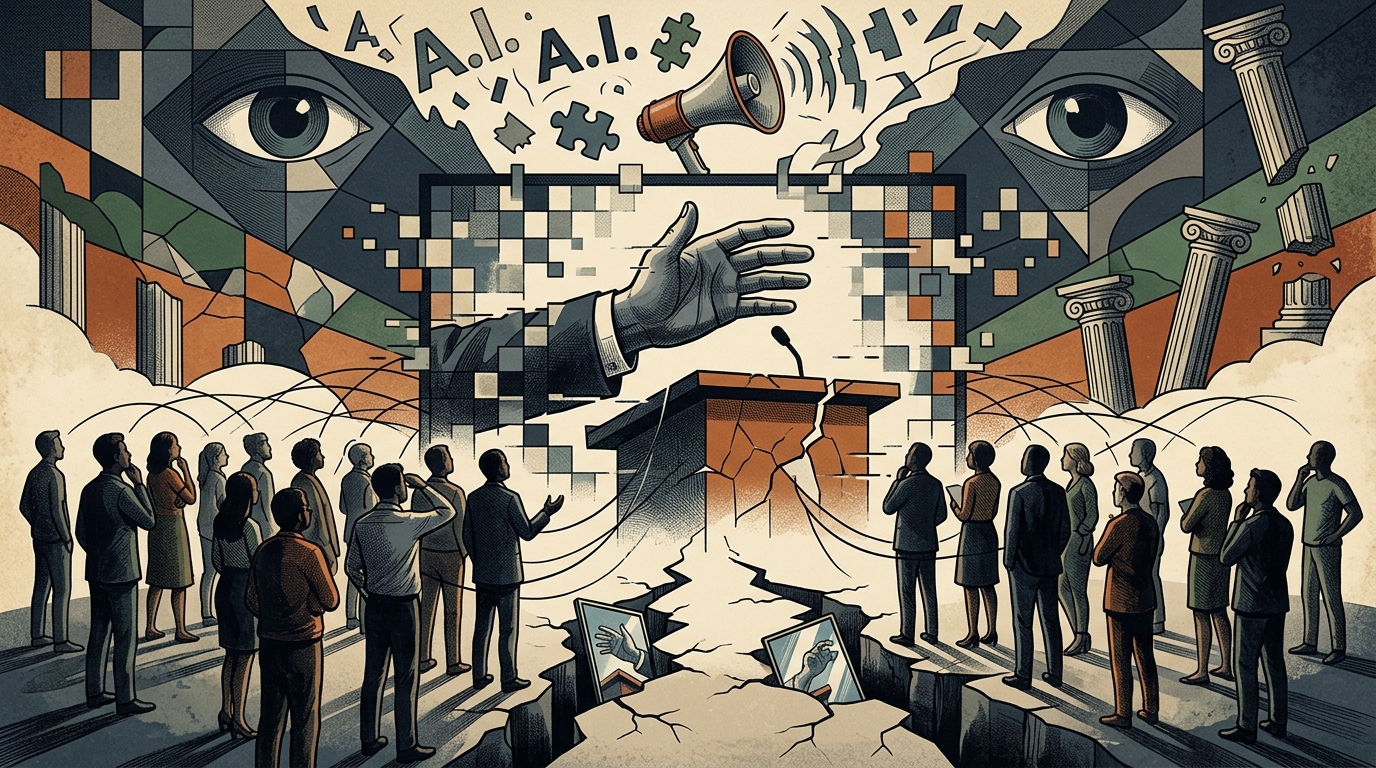
Pope Leo warned that this “culture of power” establishes a new hierarchy, where those who own the algorithms wield a near-divine authority over the masses. This inequality is not merely economic; it is existential. As AI begins to reshape our very perception of truth and reality through deepfakes and automated disinformation, the Pope argues that the spiritual integrity of the human person is at stake.
From Efficiency to ‘Algorethics’
The solution proposed by the Vatican is not the rejection of technology, but the institutionalization of “algorethics.” This term, championed by his predecessor and now central to Leo’s papacy, calls for ethical values—such as justice, transparency, and inclusion—to be embedded into the very architecture of AI systems, a concept known as “ethics by design.”
- Transparency: Algorithms affecting public life must be open to scrutiny and audit.
- Accountability: A human must always remain responsible for decisions made by a machine.
- Inclusion: AI development must prioritize the needs of the Global South, not just tech conglomerates.
- Data Sovereignty: The data of the faithful and citizens should not be treated as a mere commodity.
The Pope called upon G7 leaders and tech CEOs to sign a global treaty restricting the use of AI in autonomous weaponry and social scoring systems, which he characterized as an “affront to divine creation.”
The Social Dimension and the Voice of the Marginalized
Considerable emphasis was placed on the impact of AI on the labor market. Pope Leo expressed grave concern over the mass displacement of workers, driven not by a lack of skill, but by corporate pursuit of cost reduction at the expense of human connection. “Work is not merely a means of subsistence; it is a source of dignity,” he asserted. Automation without social safeguards or retraining initiatives is, in his view, an act of aggression against the family unit and social cohesion.
“Technology is for humanity, not humanity for technology. If Artificial Intelligence does not serve the cause of peace and fraternity, it is simply another instrument for the powerful to impose their will upon the weak.”
Concluding his address, the Pontiff appealed to young scientists and developers to become “prophets of a new age,” where innovation is tempered by compassion. The Vatican’s voice, while rooted in spirituality, now resonates with significant political weight in Brussels and Washington, reminding the world that technology without ethics is a compass without a needle.