In an era where technology and the need for autonomy converge, Greece's tourism map for 2026 is being redrawn. According to recent data from Booking.com, the preference of Greek travelers is shifting away from traditional packages and toward the freedom of the open road. More than half of Greeks (51%) state they are planning road trips for this year's holidays, a trend actively supported by the integration of advanced Artificial Intelligence (AI) tools into the vehicle rental process.
AI as the New 'Co-pilot' in Organization
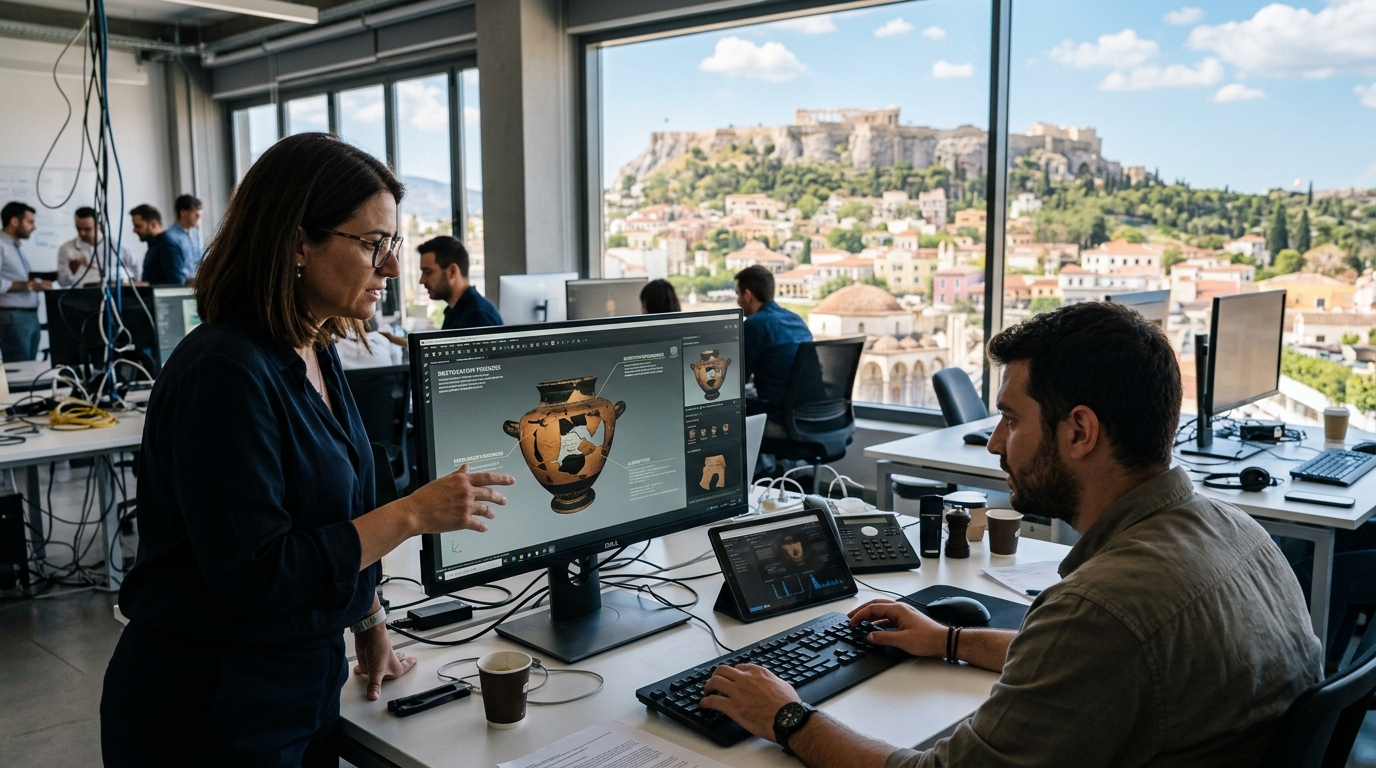
The car rental process, traditionally considered one of the most bureaucratic and complex aspects of travel, is undergoing a radical transformation. Booking.com and other industry giants are investing in Generative AI to simplify the user experience. New AI assistants are no longer limited to merely listing available vehicles. Instead, they can analyze the needs of a family or group, suggesting the appropriate model based on luggage volume, fuel consumption, and the specificities of the destination's road network.
For the Greek traveler, this means less time in front of a screen comparing insurance terms and more time planning the route. AI can now answer queries such as: "Which SUV is more economical for a trip from Athens to Meteora?" or "Do I need full coverage for the roads of mountainous Arcadia?". This personalization reduces booking anxiety and strengthens consumer confidence.
The Shift to Autonomy: Why Road Trips?
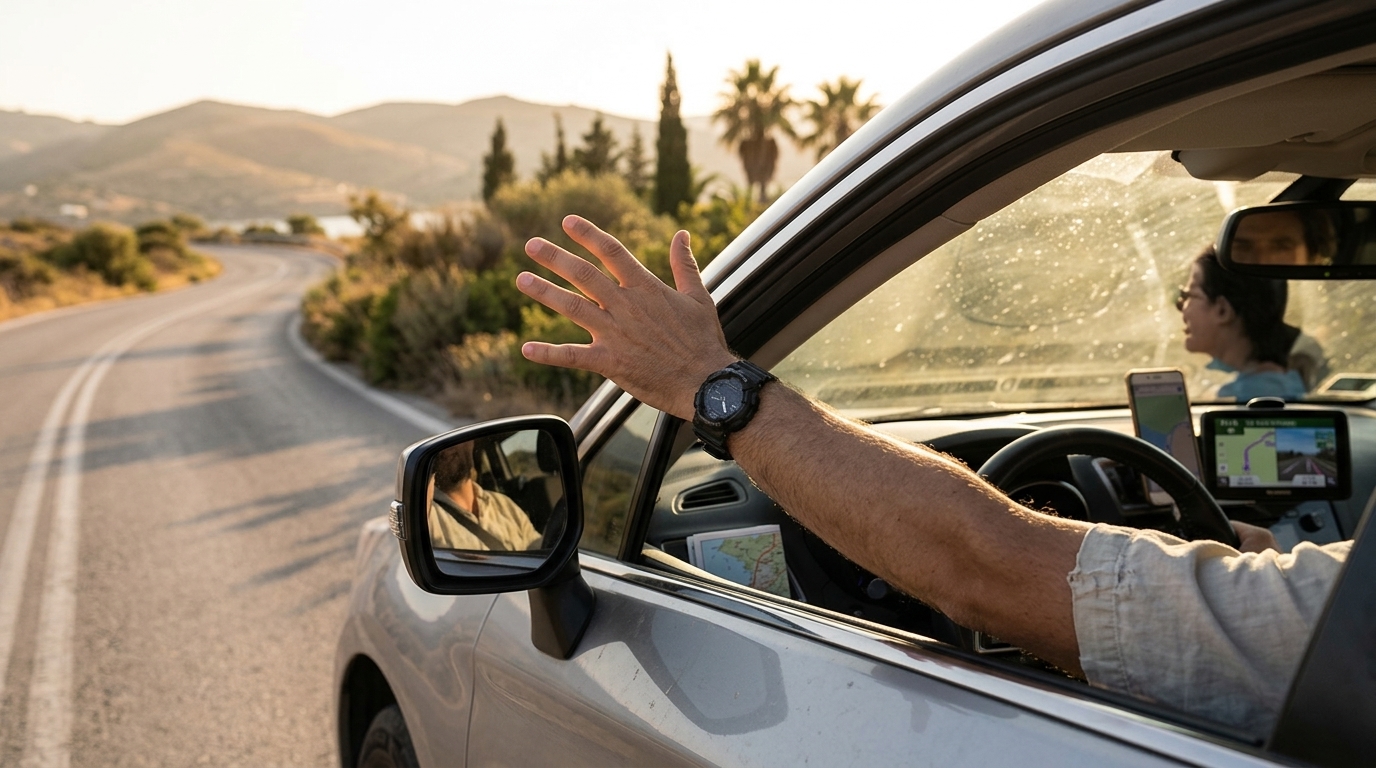
The preference of Greeks for road travel is no coincidence. It combines financial adaptability with the desire for authentic experiences away from mass tourism. With the cost of airfare and ferry tickets remaining high, the car offers a controlled alternative. Furthermore, the improvement of national highways in Greece in recent years has made destinations once considered inaccessible easily reachable.
- Flexibility: The ability to change plans at the last minute without extra costs.
- Cost: Sharing fuel and toll expenses among passengers.
- Discovery: Access to villages and beaches not served by public transport.
Booking.com notes that Greeks are now seeking the "slow travel" experience, where the journey is as significant as the destination. AI assists in this by suggesting stops at local restaurants or sights that are not on the front pages of tourist guides.
Challenges and the Future of Digital Booking
Despite the optimism, challenges exist. AI integration requires vast amounts of data, and privacy protection remains at the center of EU discussions. Additionally, the car rental market in Greece must adapt to the increasing demand for electric vehicles (EVs). AI is called upon to play a critical role here, helping drivers plan their stops based on charger availability—an area where the country is still striving to improve.
"Technology does not replace the journey; it removes the obstacles that prevent us from fully enjoying it," says a Booking.com executive.
In conclusion, 2026 is shaping up to be the year of the "smart" road trip. Greece, with its unique terrain and the need for quality tourism, is the ideal testing ground for these new technologies. The combination of Greek hospitality with the digital precision of AI seems to be the recipe for success for the new tourist season.