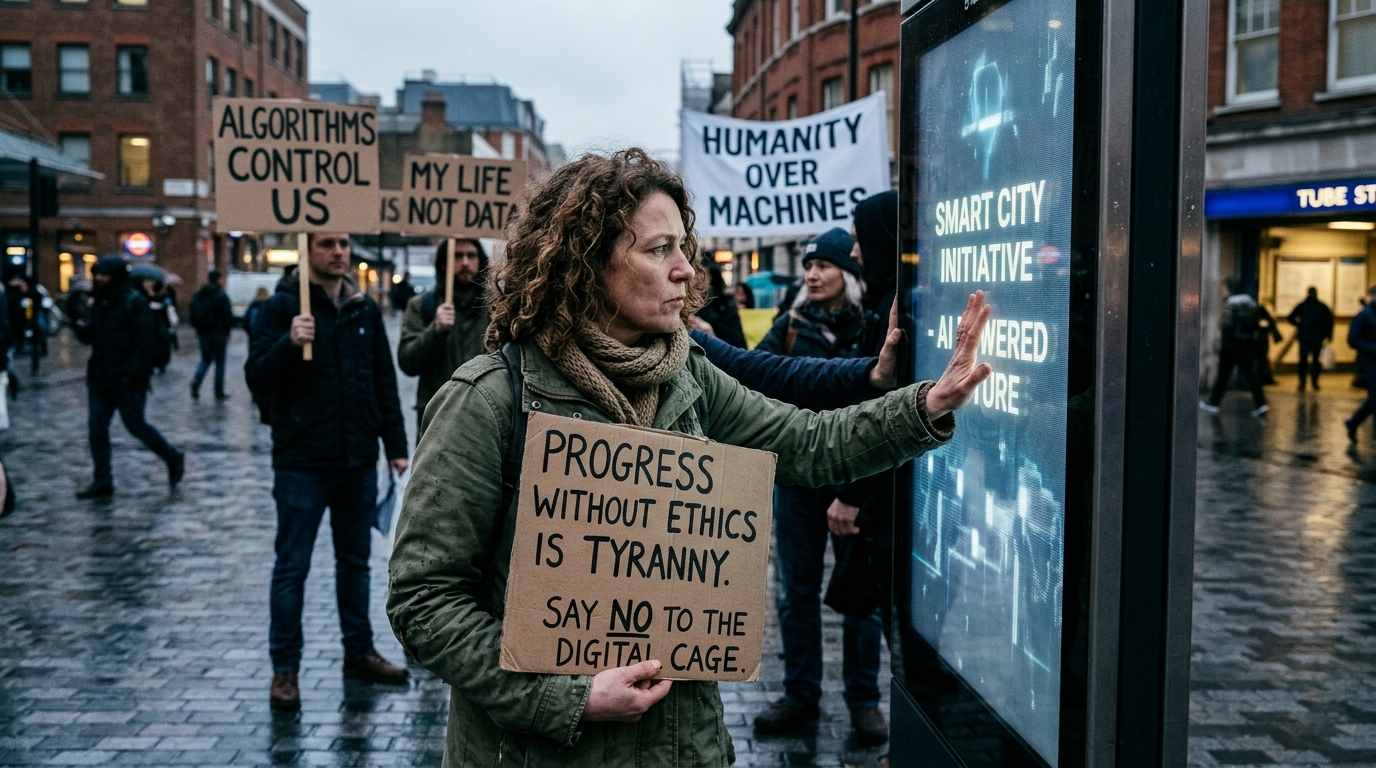
In the heart of the Vatican, where centuries of tradition meet spiritual inquiry, a new chapter for humanity's future was written. Pope Francis, one of the most vocal advocates for the ethical oversight of technology, welcomed Jack Clark, co-founder of Anthropic, to present a groundbreaking "encyclical" on Artificial Intelligence. This move is not merely a symbolic gesture but a strategic intervention in the debate over how algorithms should serve the common good rather than becoming tools of exclusion or control.
The Emergence of "Algor-ethics"
The term "Algor-ethics," introduced by the Vatican as early as 2020 through the "Rome Call for AI Ethics," is now gaining new momentum. The partnership with Anthropic, a company that has built its reputation on "Constitutional AI," marks the convergence of religious ethics with technical architecture. Pope Francis emphasized that Artificial Intelligence is a gift, but also a challenge that requires "heart" and "spiritual discernment."
According to the document presented, ethics cannot be an afterthought; it must be embedded within the code itself. Anthropic, for its part, explained how principles of human autonomy and justice can be translated into mathematical constraints that prevent AI models from generating harmful content or reinforcing biases. This "safety by design" approach forms the central pillar of the new encyclical.
The Risk of Digital Feudalism
One of the Pontiff's most resonant warnings concerned the danger of a new "digital feudalism." The concentration of vast computing power and data in the hands of a few tech giants creates inequalities that threaten democracy and social cohesion. The encyclical calls for a "democratization of access" to AI, ensuring that developing nations are not left behind, becoming mere consumers or data sources.
Jack Clark noted that Anthropic shares this concern, stressing that model transparency is essential for building trust. "It is not enough to build smart machines; we must build machines that understand human values," he stated. The discussion also extended to autonomous weapons systems, with the Vatican calling for a total ban, arguing that the decision over life and death should never be delegated to an algorithm.
The Challenge of Implementation
Despite good intentions, the question remains: how can these ethical principles be enforced in a global market moving at the speed of light? The encyclical proposes the creation of international oversight bodies operating beyond national borders, similar to the International Atomic Energy Agency. The idea is to establish a "common ethical vocabulary" that binds both governments and the private sector.
- Human-Centricity: Technology must enhance, not replace, human judgment.
- Transparency: Algorithmic decisions must be explainable and auditable.
- Inclusivity: AI must be designed considering the needs of the most vulnerable sectors of society.
- Accountability: System creators bear moral and legal responsibility for the consequences of their creations.
Closing his address, Pope Francis reminded those present that "technology is for man, not man for technology." This meeting with Anthropic may serve as the catalyst for a more meaningful discussion in the boardrooms of Silicon Valley, where ethics are often sacrificed at the altar of speed and profitability. Whether "Algor-ethics" becomes a reality or remains a wish list will depend on the willingness of leaders to set limits on their own power.