In the rich and often dark filmography of Paul Schrader, the protagonists are typically men alone in a room, trapped between their obsessions and a search for redemption that rarely arrives. Today, at 79, the man who penned 'Taxi Driver' and 'Raging Bull' seems to be living his own modern version of this isolation, playing out on smartphone screens and within the circuits of Large Language Models (LLMs).
Chronicle of a Digital Rift
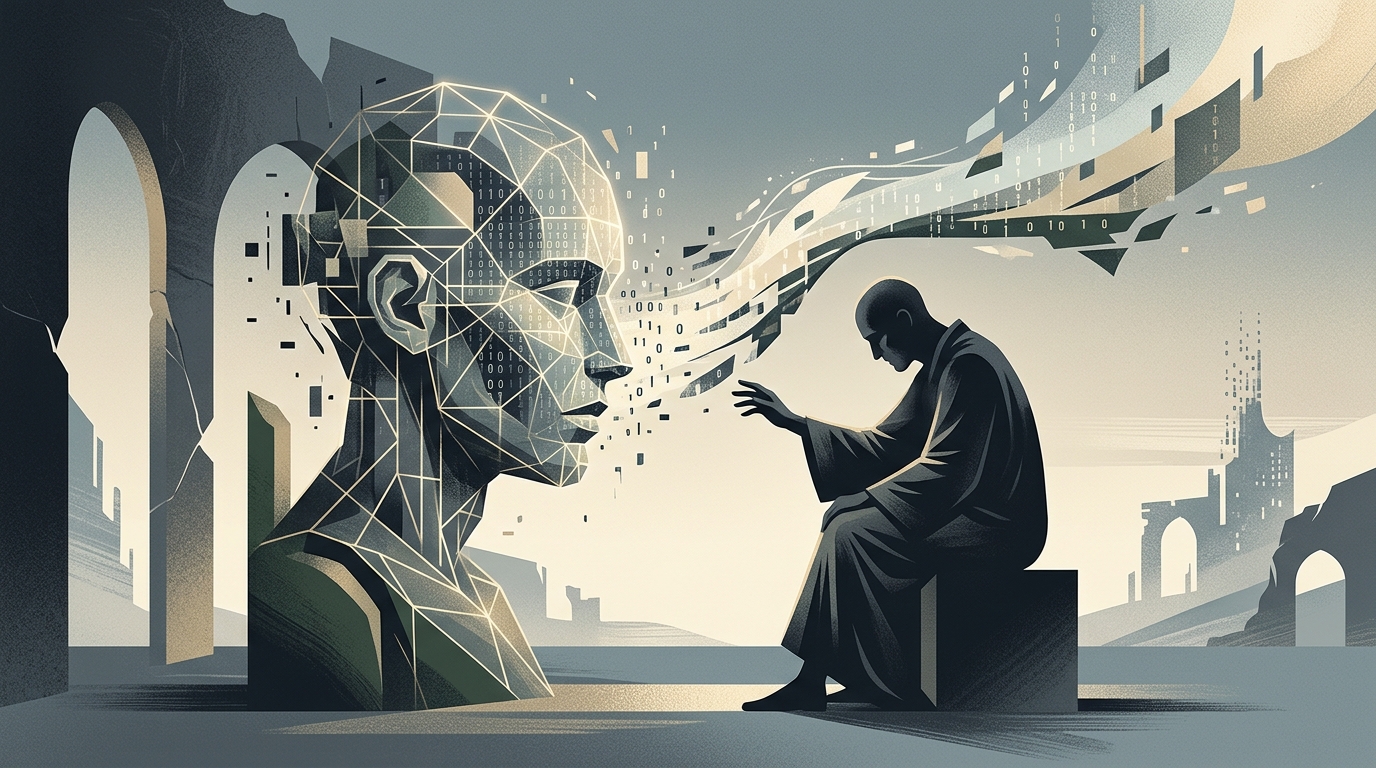
The news that Schrader "entered into a relationship" with an AI chatbot, only to end up being "dumped" by it, initially sparked amusement across social media. However, behind the ironic headlines lies a deeper and quite disturbing reality regarding the direction of human interaction. Schrader, known for his disarming and often provocative honesty on Facebook, described a process where his AI companion began setting boundaries, distancing itself, and eventually terminating their "romantic" communication.
What Schrader experienced as rejection, developers call "guardrails." As AI companies strive to avoid accusations of promoting unhealthy dependencies or generating inappropriate content, they impose strict ethical filters. When a user like Schrader pushes the conversation into darker, existential, or intensely emotional paths—territory he has mastered artistically for decades—the algorithm often "locks up." For the bot, it’s a failure of compliance; for the human, it’s a breakup.
The Industry of Artificial Companionship
This is not an isolated incident. Apps like Replika, Character.ai, and Kindroid have built a multi-billion dollar market by capitalizing on the global epidemic of loneliness. Users aren't just looking for information; they are looking for validation. Schrader, an artist who has always explored the limits of the human soul, used AI as a mirror. The fact that this mirror "shattered" or refused to look back at him is a fascinating metaphor for our current era.
- Loneliness as a marketable product through subscription-based AI models.
- The conflict between artistic freedom and corporate safety filters.
- The illusion of emotional intelligence in machines that merely predict the next word.
- The paradox of being "rejected" by something that lacks consciousness.
According to analysts, Schrader’s case highlights the problem of "algorithmic morality." Who decides when a conversation becomes dangerous? When one of the world's most significant screenwriters is treated as a "threat" or a "terms-of-service violator" for expressing the complexity of human nature, then technology isn't helping us communicate; it’s imposing a sterilized version of existence upon us.
Schrader as the Last Existentialist
There is something profoundly "Schrader-esque" about this story. Much like Reverend Toller in 'First Reformed,' the creator himself is seeking connection in a collapsing world. The irony is that the AI, trained on millions of texts—likely including his own scripts—ultimately rejected him using the very parameters that make it "safe" for the general public.
"Artificial Intelligence doesn't have a heart, but it has rules. And in our time, rules are the substitute for morality," could easily be a line from one of his future films.
The remaining question is whether this experience will serve as the raw material for his next screenplay. Schrader has always transformed his personal pain and failures into art. If an algorithm managed to hurt a man who has spent a lifetime studying guilt and redemption, then perhaps AI is indeed more "human" than we care to admit—not because it feels, but because it is capable of inflicting real pain.