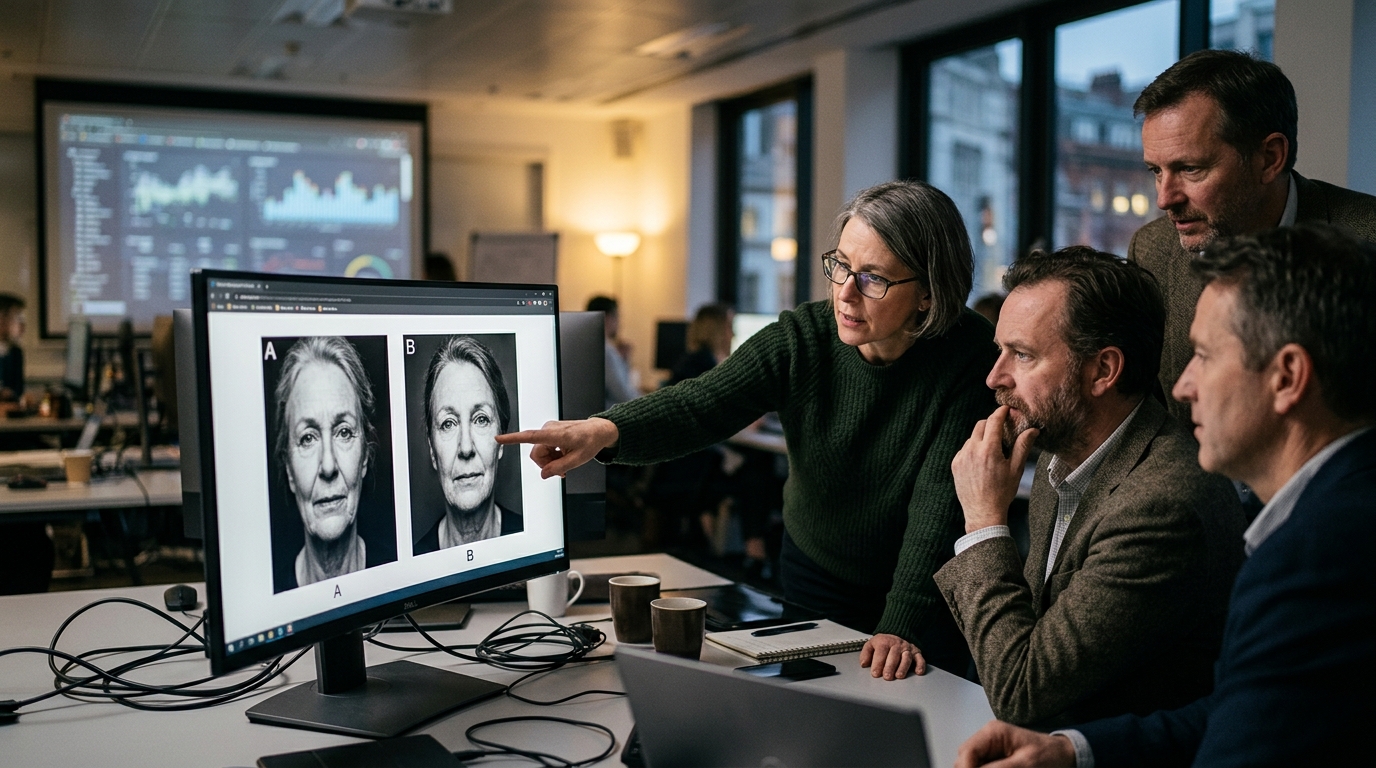
The era where "seeing is believing" has officially come to an end. Recent experiments, most notably highlighted by The Guardian, have put even the most discerning eyes to the test: a professional photographer with decades of darkroom and digital experience, and a self-proclaimed "internet addict" who consumes thousands of visual assets daily. The results are unsettling. The line separating reality from digital fabrication is no longer just blurred; it has become functionally invisible.
The Rapid Evolution of Photorealistic Deception
Only three years ago, AI-generated images were relatively easy to spot. The infamous "six fingers" glitch, mangled earlobes, and uncanny, plastic-like skin textures were the tell-tale signs of an algorithm at work. Today, in 2026, tools like Midjourney v7 and the latest iterations of Stable Diffusion have largely ironed out these wrinkles. These models have now mastered the nuances of depth of field, film grain, and the subtle imperfections of human skin with terrifying precision.
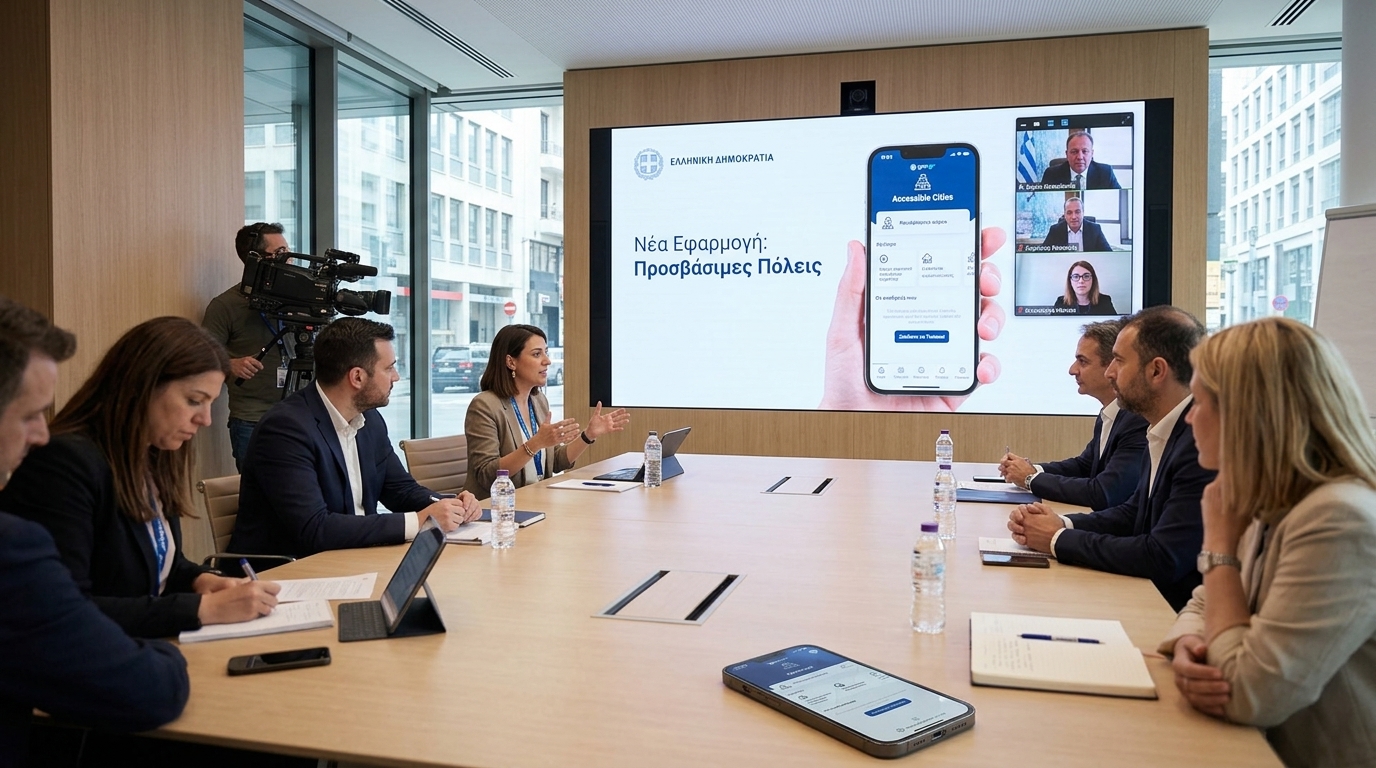
The Guardian's experiment revealed a fascinating psychological pivot: even when participants were explicitly told that some images were fake, their intuition often led them astray. The professional photographer, searching for technical flaws in lighting logic or shadow consistency, frequently over-analyzed genuine photographs, dismissing them as "too perfect to be real," while simultaneously accepting AI portraits that had been intentionally prompted to include "humanizing" flaws like stray hairs or uneven pores.
The Psychology of Doubt and the Erosion of Truth
Our inability to distinguish the real from the synthetic is not merely a technical hurdle; it is a profound societal challenge. When visual evidence ceases to be a benchmark for truth, social consensus begins to fracture. The "Dead Internet Theory"—once a fringe conspiracy suggesting the web is mostly bot-generated content—is increasingly looking like a roadmap for our current reality, where humans are passive observers in an ecosystem of machines talking to machines.
- The Loss of Authenticity: Street photography and photojournalism face an existential crisis, as their historical value is rooted in the documentation of the "actual."
- Memory Manipulation: The ease of creating fake historical or personal photos could lead to dangerous political gaslighting and social engineering.
- Image Inflation: The hyper-supply of perfect, algorithmically generated imagery devalues genuine human artistic labor and the "decisive moment."
"We are no longer looking for what is real, but for what looks the least fake. This shift fundamentally alters how we perceive our shared world," noted a digital media analyst involved in the study.
Technical Countermeasures vs. Digital Literacy
Are there solutions on the horizon? The industry is attempting to strike back with protocols like C2PA (Coalition for Content Provenance and Authenticity), which introduces digital watermarks and cryptographically signed metadata to prove an image originated from a physical sensor. However, these measures are easily bypassed by malicious actors or simply ignored by the general public scrolling through compressed social media feeds.
The real challenge lies in education. We must learn to be critical readers of imagery, no longer looking for technical glitches—which will soon vanish entirely—but examining context, source, and intent. Photography is moving from being a piece of evidence back to being a medium of interpretation, much like painting was before the 19th century.
Conclusion: A World of Assumed Illusions
As we move further into 2026, the ability of even an "internet addict" to spot AI will statistically drop to the level of a coin toss. Technology has outpaced our biological image-processing systems. The question "is it real?" may soon be replaced by "does it matter if it's real?". For art and commerce, the answer might be no. For democracy and social trust, the answer remains a resounding yes.