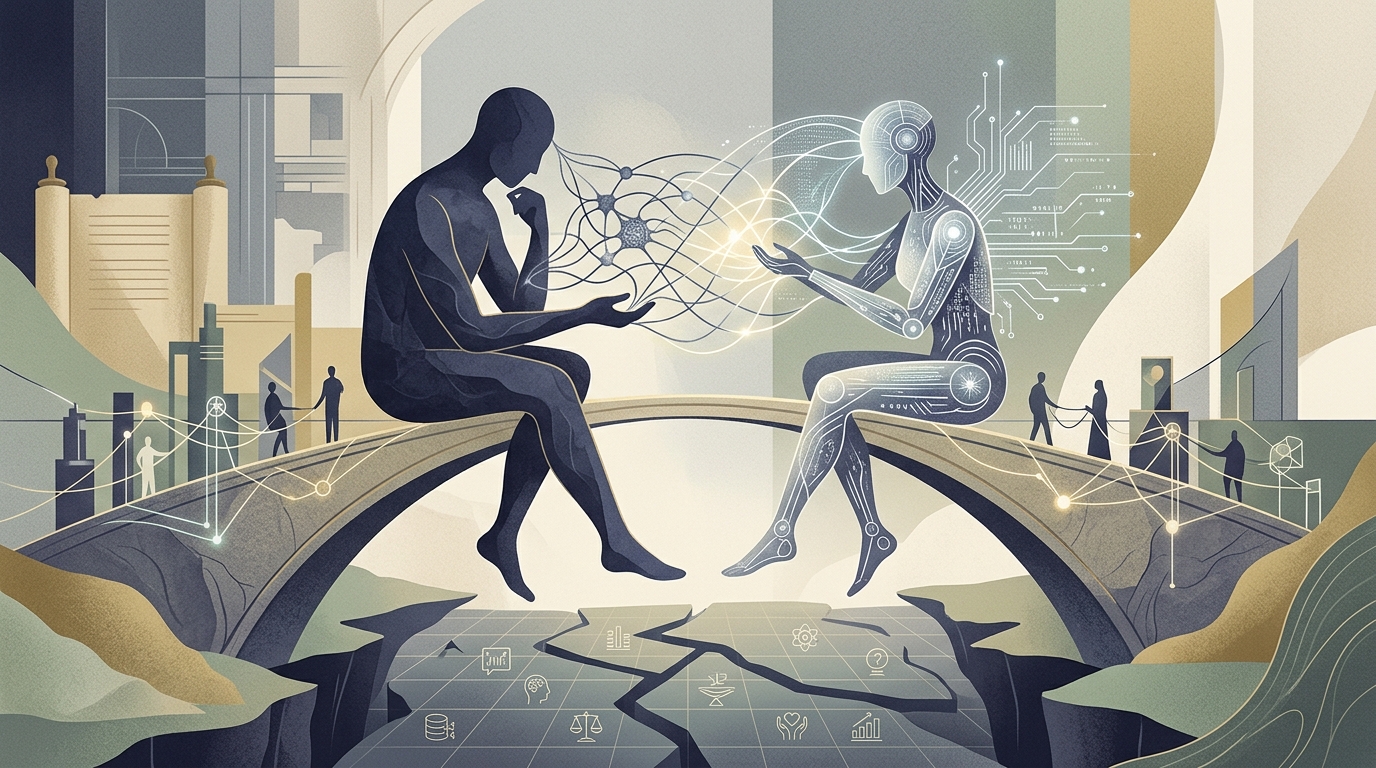
The legal confrontation between Elon Musk and OpenAI, the company he helped bring to life, is far more than a corporate dispute; it is an existential struggle over the trajectory of humanity in the age of Artificial Intelligence. Musk, who departed OpenAI’s board in 2018, has filed a lawsuit against Sam Altman and Greg Brockman, alleging that the company has betrayed its original mission: developing Artificial General Intelligence (AGI) for the benefit of humanity rather than for profit.
The Betrayal of 'Open' Source
At the core of the lawsuit lies the claim that OpenAI has effectively become a de facto subsidiary of Microsoft. Musk argues that the close partnership with the Redmond tech giant has led to a 'closed-source' approach, where the company’s most advanced models, such as GPT-4, are kept secret to serve commercial interests. According to Musk, this violates the 2015 'Founding Agreement,' which stipulated that OpenAI’s technology would be available to the public and would not be controlled by any for-profit entity.
OpenAI, for its part, countered by releasing old emails from Musk, suggesting that he himself had accepted the need for massive capital—and thus a for-profit structure—to compete with Google. The company describes the lawsuit as 'revisionist history' and an attempt by Musk to claim the success of a company he chose to leave when he was denied full control.
The Critical Question of AGI
One of the most fascinating aspects of the trial is the definition of Artificial General Intelligence (AGI). OpenAI’s agreement with Microsoft specifies that Microsoft has rights to OpenAI’s technology *until* the latter achieves AGI. Once AGI is reached, the technology is no longer licensed to Microsoft and must return to the public good. Musk claims that GPT-4 already constitutes an early form of AGI, and therefore OpenAI is obligated to make the code open. OpenAI categorically denies this characterization, maintaining that AGI remains a future milestone.
- The legal validity of the 'Founding Agreement,' as there is no single signed document but rather a series of correspondences.
- Microsoft’s role on the board and its influence over OpenAI’s strategic decisions.
- The ethical obligation of AI researchers to share findings versus the security risks posed by open access.
Implications for the AI Ecosystem
This trial could set a global precedent. If Musk prevails, OpenAI might be forced to open-source its models, which would dramatically shift the competitive landscape. Conversely, a defeat for Musk would solidify the model of 'closed' and commercialized AI, where Big Tech firms control the most powerful computing infrastructures on the planet. The battle is not just about the past, but about who will hold the keys to future intelligence.
"OpenAI has been transformed into a closed-source, maximum-profit subsidiary of the largest technology company in the world," Musk's lawsuit states.
In a broader context, the dispute highlights the tension between Silicon Valley’s 'move fast and break things' ethos and the need for regulatory oversight. As governments in the US and EU scramble to legislate AI, the court’s decision in California will serve as a roadmap for what constitutes 'public benefit' in the digital age. The outcome of this story will determine whether AI remains a tool for democratization or becomes the ultimate monopoly of power.