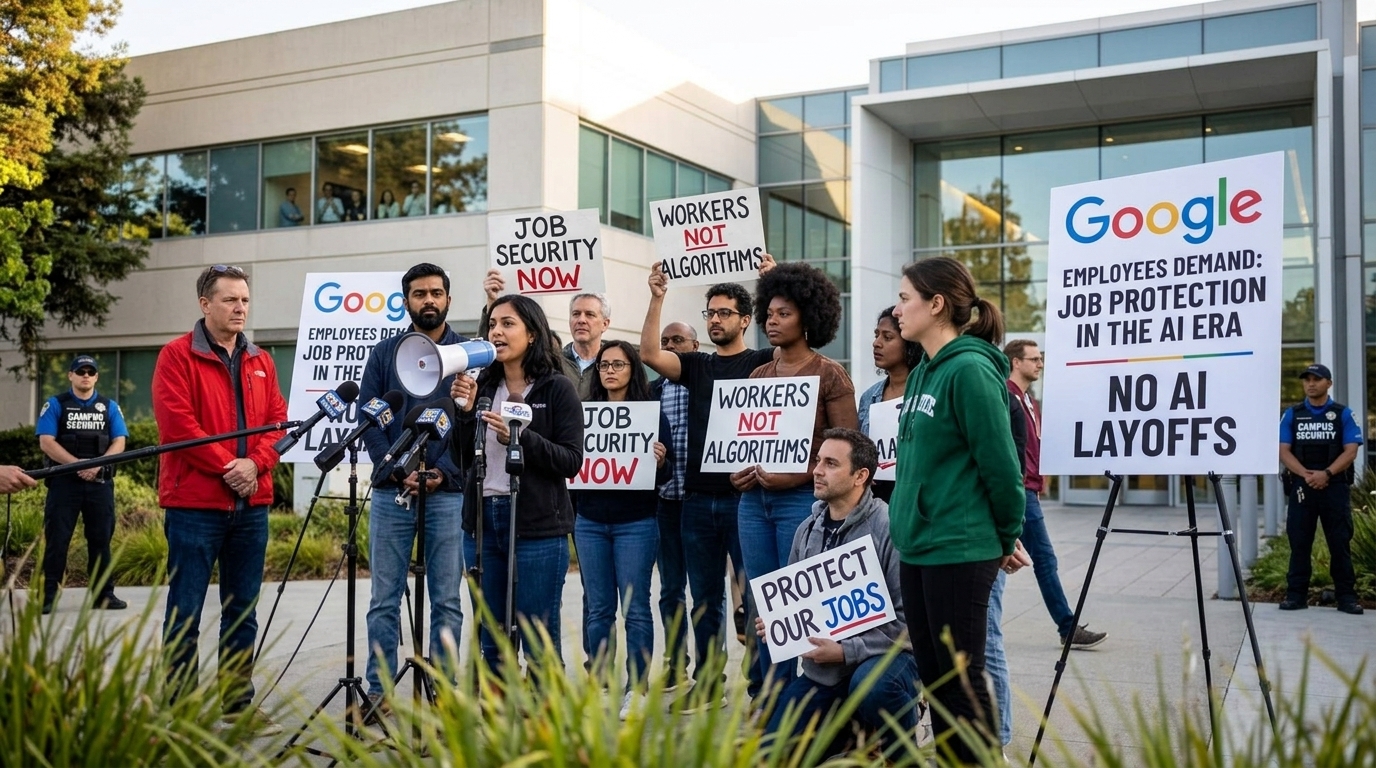
In an era where Artificial Intelligence (AI) is fueled by an insatiable hunger for data, Mark Zuckerberg’s Meta has found itself at an ethical and operational crossroads that strikes at the very heart of its corporate culture. The "Model Capability Initiative," a program designed to utilize the vast amounts of internal data and employee interactions to refine AI models, has been abruptly halted. This move was not a pre-planned strategic withdrawal but the result of a fierce internal uprising and a series of leaks that exposed the company's vulnerability.
Anatomy of Surveillance: What was the Model Capability Initiative?
The Model Capability Initiative was more than just an experiment; it was Meta’s attempt to leverage its most valuable, yet most sensitive, asset: the daily workflow of its thousands of employees. The goal was to collect data from internal chats, code repositories, notes, and work patterns to train the company's Large Language Models (LLMs), such as the Llama series. The logic behind it was straightforward: if AI can learn from the way the world’s top engineers work, it will become more efficient at automating complex tasks.
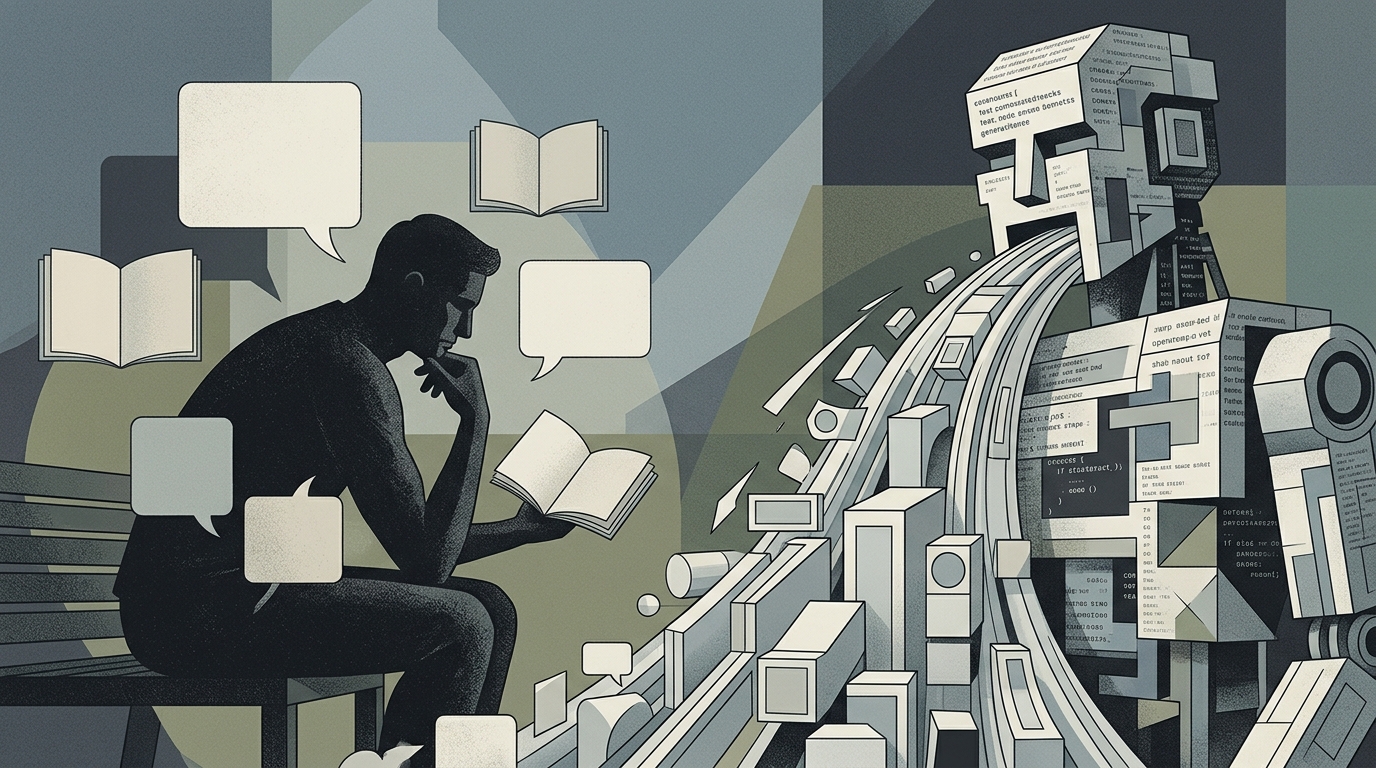
However, the implementation of this vision collided with a fundamental misunderstanding of human nature in the workplace. Employees felt they were being transformed from creators into "fodder" for the machine intended to replace them or, at best, monitor them with absolute precision. Using personal interactions to train algorithms created a climate of distrust, with many questioning where the company's ownership of work ends and the right to privacy begins.
The Leak That Broke the Camel's Back
The decision to "freeze" the program was accelerated by a serious leak of sensitive internal information. According to reports, data intended for model training ended up in unauthorized hands, proving that the aggregation of such vast amounts of information acts as a magnet for security risks. The irony is palpable: in its attempt to make its systems smarter, Meta made its internal operations more vulnerable.
- Strong pushback from unions and internal employee resource groups.
- Concerns regarding compliance with GDPR in Europe and other data protection regulations.
- The risk of intellectual property loss through the AI models themselves.
The leak acted as a catalyst, forcing management to re-evaluate not just data security, but the ethical cost of total surveillance. In an environment where Meta is trying to recover from previous privacy scandals, a new crisis of trust with its own staff would be catastrophic.
The Broader Context: AI as 'Big Brother'
Meta's case is not an isolated one. Many tech companies are experimenting with "employee data mining." However, Meta's scale and nature make the issue emblematic. The question arises whether the worker of the future must accept that every move, every line of code, and every comment in a meeting is the company's property for training its digital successor.
In Europe, the legal framework is significantly stricter. Data protection regulations (GDPR) and the upcoming AI Act set clear boundaries for workplace surveillance, especially when it involves processing biometric data or psychological profiling. Meta, despite being headquartered in the US, cannot ignore these trends, as the global market demands unified ethical standards.
"Innovation cannot be achieved at the expense of human dignity. If AI requires the complete stripping of employee privacy to function, then perhaps the problem isn't the technology, but its development model."
The Aftermath for Meta and the Industry
The freezing of the Model Capability Initiative represents a significant victory for internal democracy in tech, but also a warning for the future. Meta must now find new ways to train its models, perhaps through synthetic data or more transparent and consensual data collection methods. The challenge is to remain competitive against Google and OpenAI without turning the office into a digital panopticon.
For the rest of the business world, the lesson is clear: employee trust is capital that is hard to regain. The use of AI to increase productivity must be accompanied by clear rules, ethical safeguards, and, above all, respect for individuality. The "freeze" at Meta may be the beginning of a broader discussion about the social contract in the age of automation.