In the heart of Silicon Valley, the concept of work is undergoing a radical and controversial transformation. Meta, the titan behind Facebook, Instagram, and WhatsApp, finds itself at the center of a heated debate regarding the limits of workplace surveillance. According to recent reports, the company is deploying sophisticated software that tracks the movements, interactions, and workflows of its employees—not merely for performance evaluation, but as raw material for training the Artificial Intelligence (AI) models it is developing.
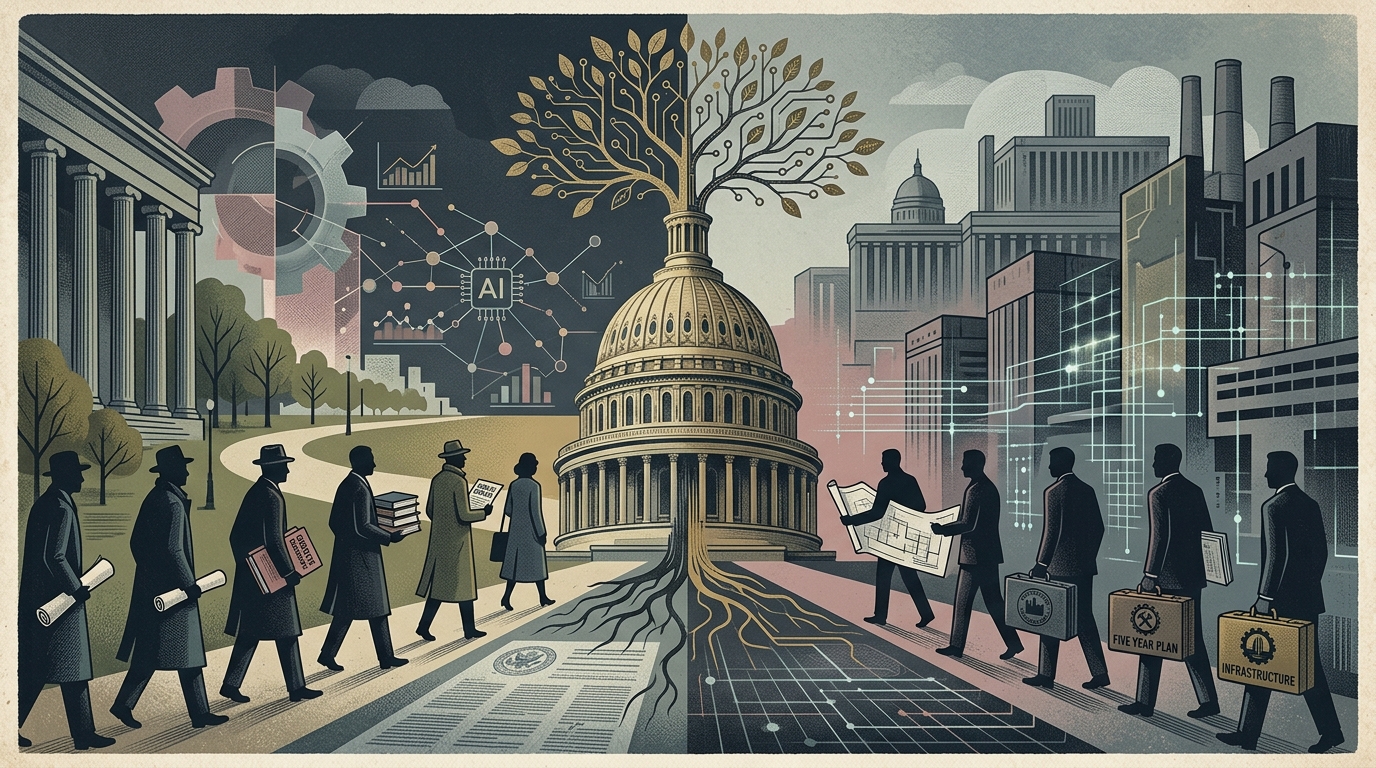
This development signals a new era of "digital panopticism," where the employee is no longer just a producer of work but the very subject of the machine's study. Meta's strategy appears aimed at creating "digital twins" of workplace behavior, allowing its AI models to understand and replicate complex human activities within a professional setting.
The Digitization of Human Experience
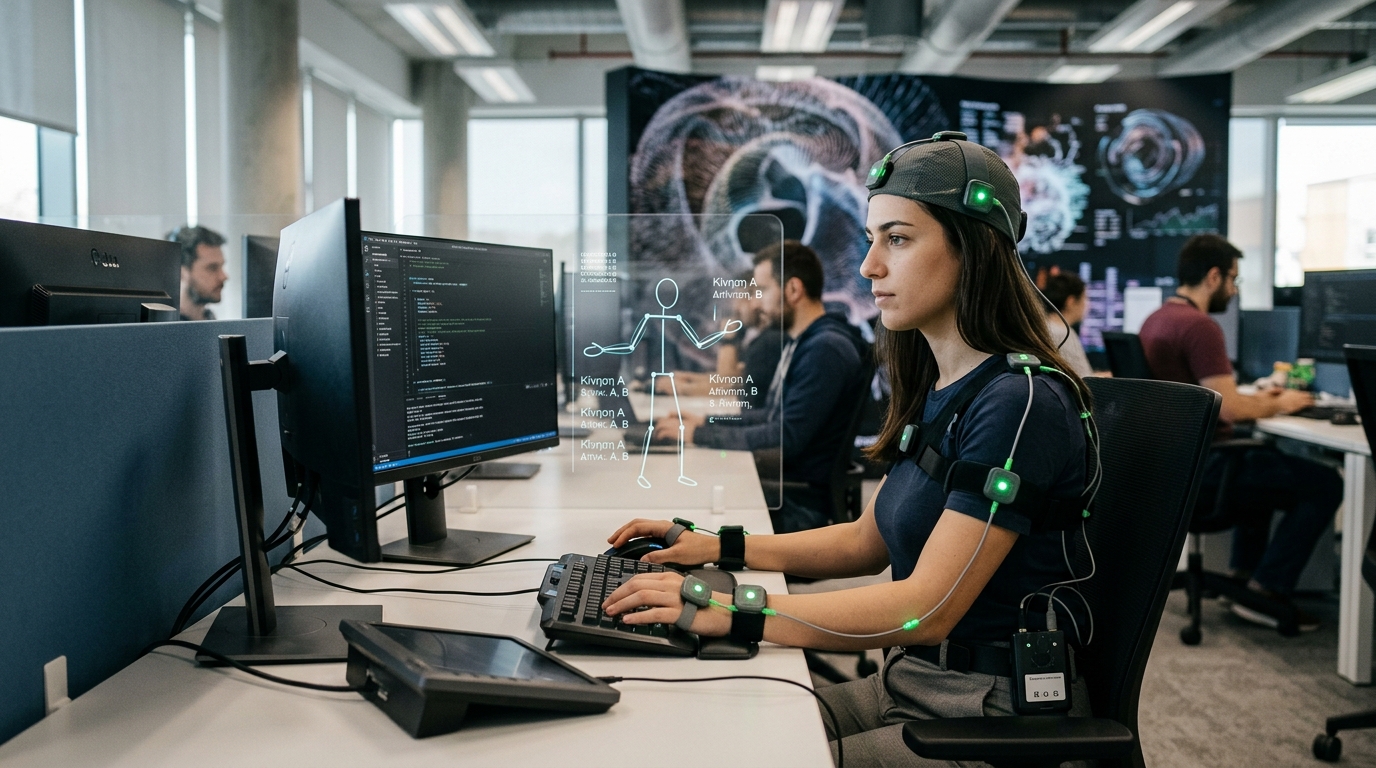
This process goes far beyond traditional metrics like screen time or the number of emails sent. Meta's software reportedly analyzes how developers write code, how designers interact with their creative tools, and even how employees move through physical office spaces via sensors and wearable device data. The goal is clear: to build a vast database of "tacit knowledge"—those subtle skills that are difficult to codify through traditional programming.
For Meta, this approach is a necessity in the AI arms race. As public data on the internet becomes exhausted or protected by copyright, companies are turning to high-fidelity private data sources. What source could be more valuable than the daily activity of thousands of top-tier scientists and professionals already working within the company's walls?
Ethical Dilemmas and the End of Privacy
This move raises serious ethical questions concerning consent and autonomy. Although Meta employees often sign contracts allowing monitoring for security and performance reasons, using this data to train an AI that could eventually replace them creates a paradoxical and ominous dynamic. It is a form of "digital mining" where human experience is commodified without additional compensation for the worker.
- The Erosion of Trust: Constant monitoring can lead to increased stress and a culture of "performative productivity," where employees act in ways that seem optimal to the algorithm rather than for meaningful output.
- The Legal Vacuum: While the General Data Protection Regulation (GDPR) in Europe sets strict limits, legislation in the US remains more permissive, allowing tech companies to experiment with the boundaries of workplace surveillance.
- White-Collar Automation: If an AI learns to perfectly mimic the movements and decisions of an experienced executive, the need for that executive may diminish dramatically in the near future.
On its part, Meta argues that the use of this data is aimed at improving productivity tools and developing more intuitive user interfaces. However, critics point out that the lack of transparency regarding exactly what data is collected and how it feeds into AI models remains the primary concern.
The Big Picture: The Worker as a Blueprint
Meta's case is not an isolated incident; it is the harbinger of a broader trend. In the future, a worker's value may not be measured solely by their final product but by the quality of the data they provide to their company's AI. This creates a new class stratification in labor: those who train the machines and those who merely obey them.
"We aren't just monitoring work; we are mapping intelligence in real-time," says an industry executive who wishes to remain anonymous. "If we want AI that understands the world, we have to let it watch those who are building it."
As Meta continues to invest billions into the Metaverse and generative AI technologies, the pressure for results will inevitably lead to more intrusive data collection methods. The challenge for regulators and labor unions will be to define where "work optimization" ends and the "exploitation of the human condition" for algorithmic profit begins.