In an era where the climate crisis demands a rapid transition to renewable energy, grid stability has emerged as one of the decade's greatest challenges. The recent announcement of a liaison agreement between the Connectivity Standards Alliance (CSA), the organization behind the Matter standard, and the OpenADR Alliance, marks a critical turning point. This bridge between a home’s internal ecosystem and the external energy distribution grid is not merely a technical upgrade; it is the foundation for building the smart cities of tomorrow.
The Language of the Home vs. The Language of the Grid
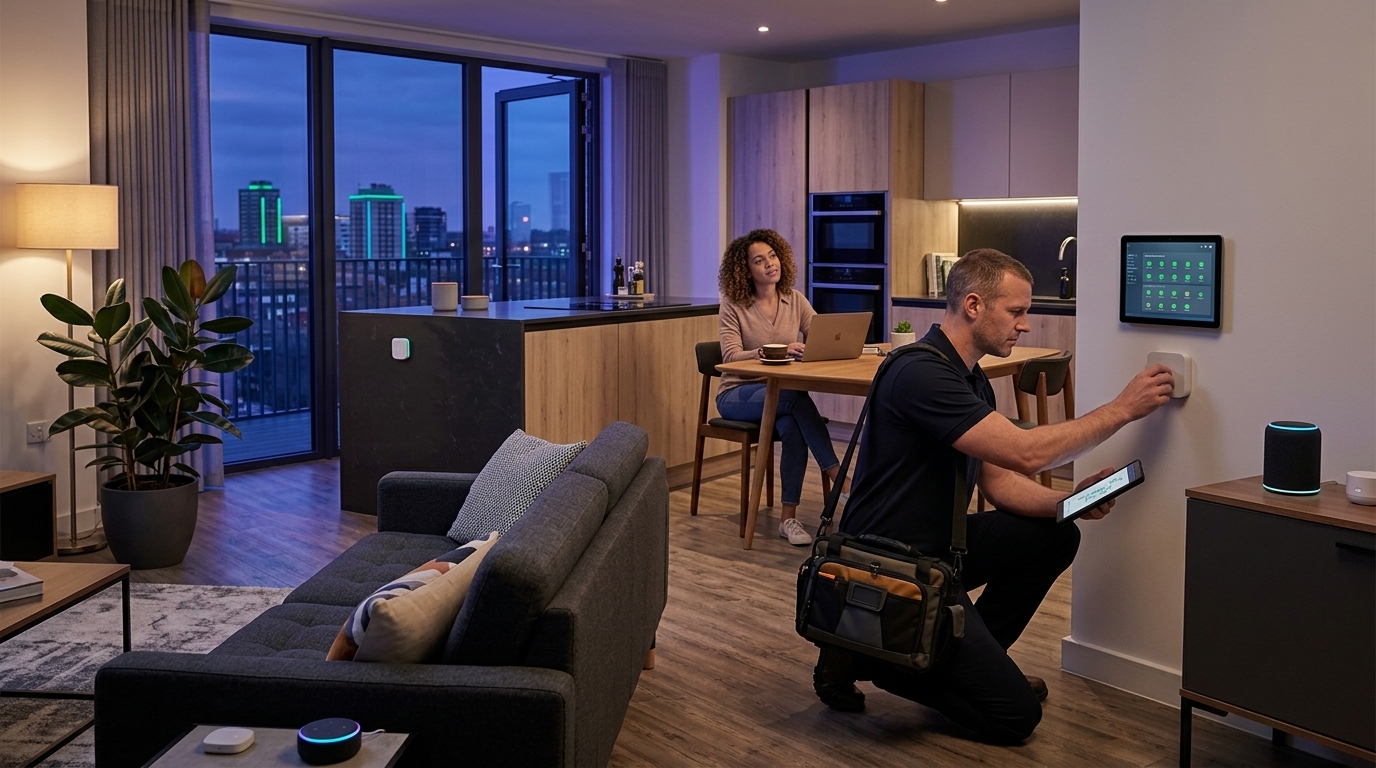
For years, the 'smart home' has operated in a vacuum. While devices like smart thermostats, EV chargers, and heat pumps could be programmed by the user, they rarely responded in real-time to the needs of the power grid. Matter was created to solve the problem of interoperability within the home—allowing an Apple device to talk to a Google or Amazon device. However, Matter was not originally designed to 'speak' to the local electric utility.
This is where OpenADR (Open Automated Demand Response) comes in. It is an established protocol used by utilities to send 'demand response' signals. When the grid is stressed—for instance, during a heatwave—OpenADR allows the utility to request that connected devices reduce their consumption. Until now, integrating these two worlds required complex, proprietary solutions from each manufacturer. The new collaboration aims to standardize this communication, making integration simple and universal.
The Rise of the Virtual Power Plant (VPP)
The significance of this unification becomes clear when considering the concept of the Virtual Power Plant (VPP). A VPP is a network of thousands of small, decentralized energy sources—such as residential batteries, solar panels, and electric vehicles—that operate in coordination as a single power plant. By connecting Matter to OpenADR, energy providers can 'borrow' capacity from our homes to balance the grid.
- Automated Savings: Your thermostat could pre-cool your home during the day when solar power is abundant and reduce its operation in the evening when demand peaks.
- EV Charging: Your electric vehicle could pause charging during peak hours and automatically resume when the grid is 'greener' and energy is cheaper.
- Financial Incentives: Consumers participating in such programs often receive rebates on their bills, turning their home into an active player in the energy market.
Challenges of Privacy and Control
Despite the obvious benefits, the idea of ceding control of home appliances to a utility company raises serious questions. Who has the final say? What happens to usage data? Proponents of the partnership emphasize that Matter has security and privacy at its core. Communication via OpenADR will be anonymized and primarily focused on load management, not monitoring the personal lives of residents. Furthermore, the user will always retain the ability to override automatic settings if they wish.
"Linking Matter with OpenADR is the missing puzzle piece to transform the smart home from a luxury gadget into a sustainability tool for the planet," industry analysts note.
In conclusion, this move is not just about technology, but about the survival of our infrastructure. As we move away from fossil fuels, the demand for electricity will skyrocket. Without smart systems that can self-regulate, existing grids risk collapse. The Matter and OpenADR collaboration is a small but decisive step toward a future where our homes don't just consume energy but actively participate in maintaining the planet's balance.