In the historic heart of Delphi, where the Oracle once provided guidance to rulers and commoners alike, Mandeep Rai—the world-renowned leadership expert and author of 'The Values Compass'—posed a question that resonates with unprecedented intensity in today's technocratic age: What keeps us steady when the ground beneath our feet shifts due to technological explosions and geopolitical instability? For Rai, the answer lies not in algorithms or economic metrics, but in values. As she explained in her interview with Fortune Greece, values are not merely 'decorative' elements of a corporate presentation; they are the operating system of human existence and the only guarantee for sustainable growth.
The Values Compass in a Polarized World
Rai has traveled to over 150 countries, studying how different cultures integrate their values into decision-making. In her work, she identifies 101 values from 101 countries, proving that every nation possesses a unique 'compass.' However, she points out that in the era of globalization and digital homogenization, we risk losing this inner orientation. "Values are a tool of power," she emphasizes. "When a leader or an organization knows exactly what they stand for, their decisions become faster, more consistent, and ultimately more effective." In times of crisis, a lack of a value-based foundation leads to paralysis or, worse, opportunistic moves that undermine the trust of citizens and consumers.
Artificial Intelligence: The Need for Ethical Programming
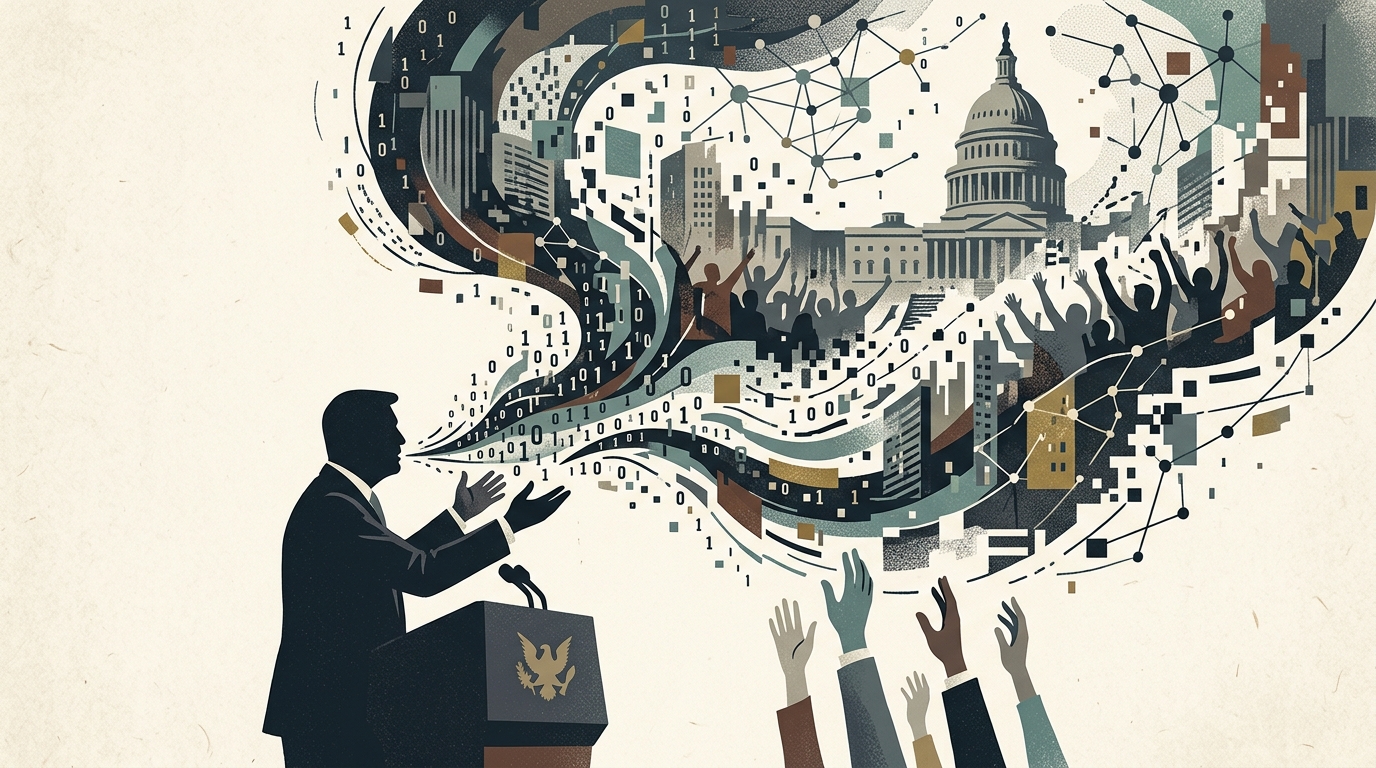
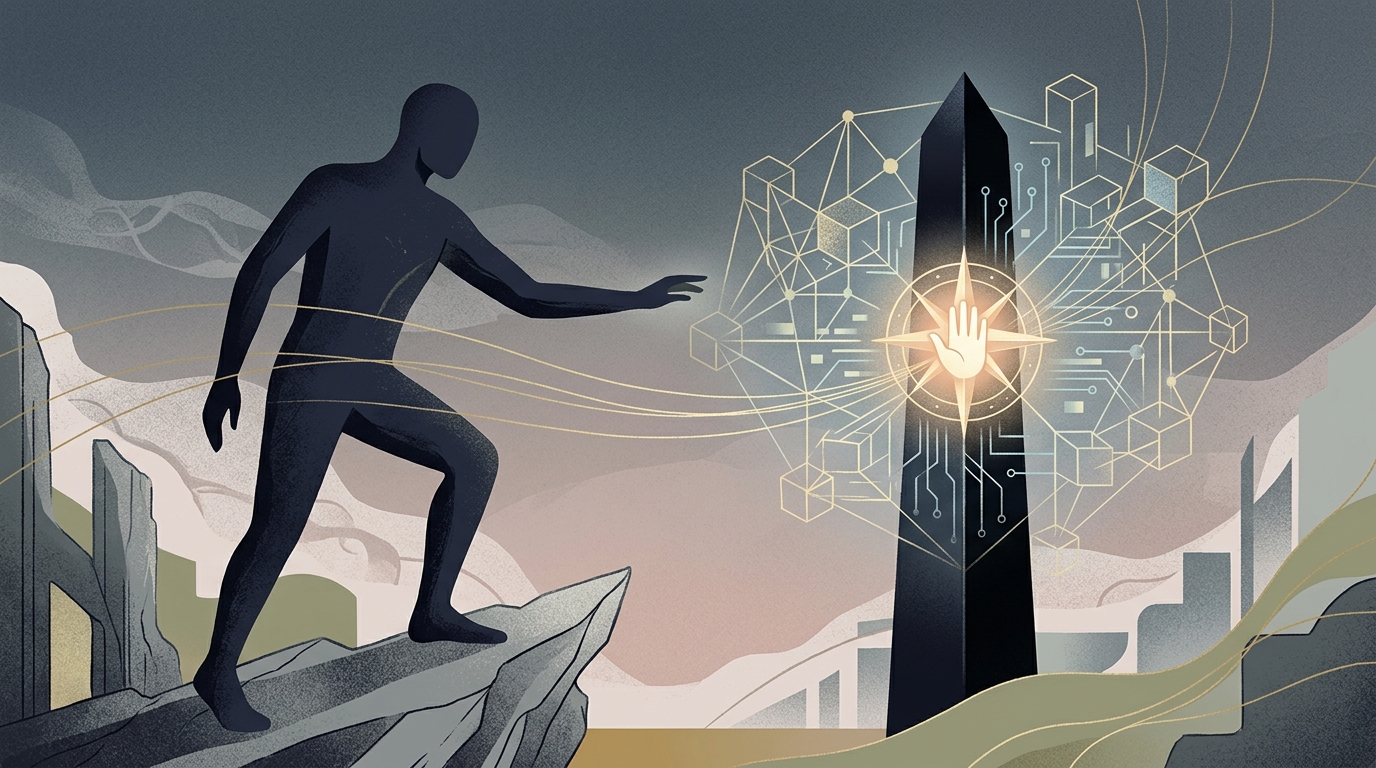
One of the most compelling aspects of Rai’s analysis concerns the relationship between values and Artificial Intelligence (AI). As we hand over more decisions to automated systems, the question is not just 'what can technology do,' but 'what should we allow it to do.' Rai argues that if we have not clearly encoded our own human values, it is impossible to develop ethical AI. Technology acts as a magnifying glass: if our values are distorted, AI will amplify those distortions on a global scale. Leadership in the age of AI, therefore, requires deep introspection. Leaders must be able to explain the 'why' behind their actions, something no machine can yet authentically simulate.
- Values serve as a filter for choosing the right technological tools.
- Trust in AI depends on the transparency of the values held by its creators.
- Human judgment remains the final line of defense against algorithmic bias.
From 'I' to 'We': Collective Power
Rai does not limit her scope to individual leadership. She speaks extensively about the importance of collective values for social cohesion. At the Delphi Economic Forum, the discussion revolved around the resilience of societies. For Rai, resilience is not just the ability to withstand blows, but the ability to bounce back based on a shared vision. In Greece, for instance, the values of 'philoxenia' (hospitality) or 'philotimo' (honor/duty) are not just tourist slogans but deeply rooted principles that can guide economic and social reconstruction. When values are put into practice, they create a sense of belonging that is essential for tackling grand challenges like climate change and inequality.
"Values are not something you discover; they are something you choose to live every day, especially when the cost of that choice is high."
The Future of Leadership is Value-Driven
In conclusion, Mandeep Rai sends a message to future leaders: power in the future will not come from controlling information, but from the ability to inspire through values. In a world where information is abundant and attention is scarce, authenticity becomes the most valuable currency. The companies that survive will not be those with the best balance sheets, but those that manage to align their purpose with the needs of humanity. 'The Values Compass' is not a self-help book; it is a strategic manual for a world desperately seeking meaning amidst digital chaos.