The rapid evolution of Artificial Intelligence (AI) is no longer a science fiction scenario, but a daily reality transforming the business and social landscape. However, as we move from simple "Generative AI" toward "Cognitive AI"—systems capable of simulating human reasoning, perception, and decision-making—the risks multiply. Kaspersky's recent analysis highlights four critical areas where cognitive AI could prove fatal if strict ethical and technical frameworks are not immediately established.
1. Psychological Manipulation and Social Engineering
The first and perhaps most disturbing risk concerns cognitive AI's ability to understand and exploit human psychology. Unlike traditional bots, new systems can analyze vast amounts of data from social media to create personalized user profiles. This enables the creation of social engineering attacks that are nearly impossible to detect.
"Cognitive AI doesn't just steal passwords; it steals our trust by using our own logic against us," the Kaspersky report states.
The ability of these systems to conduct conversations with empathy (or the illusion of it) makes users vulnerable to scams targeting emotions, such as romance scams or investment traps, which are now scaling to an industrial level.
2. The Industrialization of Disinformation (Deepfakes 2.0)
While deepfakes are already well-known, cognitive AI takes them a step further. It is no longer just about a static image or video, but about interactive entities that can participate in live calls or video conferences in real-time. The risk to businesses is immense: an employee might believe they are speaking with their CEO via Zoom, while they are actually interacting with a sophisticated AI model trained on the real person's voice and mannerisms.
- Creation of false narratives that influence stock markets.
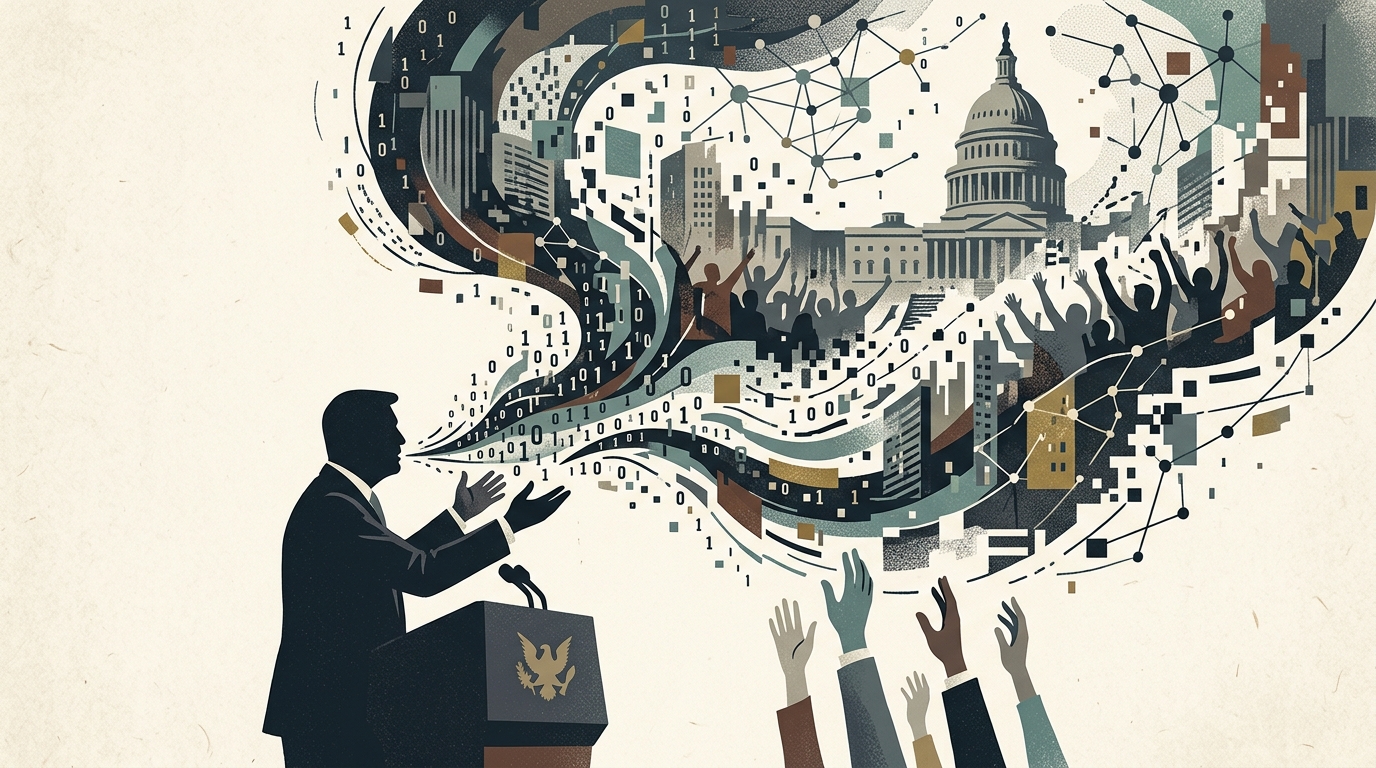
- Political destabilization through perfectly convincing, yet fabricated, statements from leaders.
- Erosion of objective truth, as citizens cease to trust any audiovisual material.
3. Autonomous Cyberattacks and "Agentic" Threats
The third risk focuses on autonomy. New AI systems function as "agents" that can make decisions without human intervention. In the hands of cybercriminals, this means malware that can "think" and adapt to a system's defenses in real-time. If a firewall blocks an intrusion method, the cognitive AI will analyze the failure and immediately try a new, more sophisticated approach.
This development creates a "cyber arms race" where the speed of attack far exceeds human reaction time. The need for AI-driven defense becomes imperative, but this in turn raises questions about who ultimately controls our security systems.
4. Privacy Erosion through Cognitive Inferences
Finally, Kaspersky warns of the end of privacy as we knew it. Cognitive AI can perform "inferential analysis." Even if a user does not share sensitive data, the AI can predict it with terrifying accuracy by analyzing secondary information, such as shopping habits, time spent on a website, or even typing rhythm. This leads to a state of "permanent surveillance," where the prediction of our behavior becomes the new product for sale.
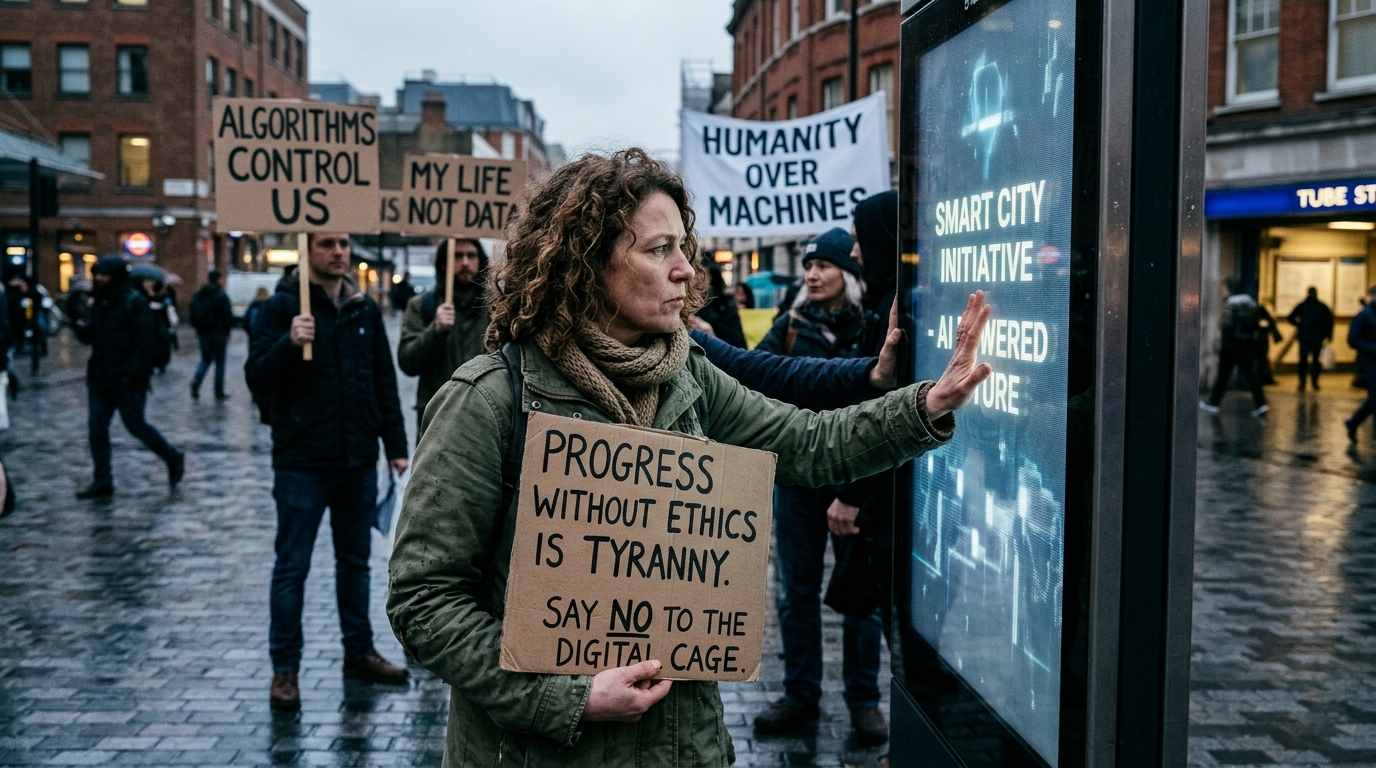
In conclusion, the Kaspersky report is not a cry of technophobia, but a call for responsibility. Ethics in AI should not be an afterthought, but the foundation upon which technology is built. Businesses and governments must invest not only in innovation but also in the transparency and auditing of algorithms before the "cognitive" ability of machines surpasses our ability to guide them.